

TL;DR

Get the little things that make your day delivered free with Prime
- Fast, free delivery on millions of items
- Prime Video, Amazon Music and more included
- Member-only deals all year
The Good Trade published a taste-test roundup of 15 alcohol alternatives, saying an editor personally tested products for flavor, ingredients and functionality. The selection spans cocktail-style drinks, non-alcoholic aperitifs and other options, with information on flavor and, where available, caffeine and sugar; the source does not provide a comparative score or full product-by-product details in the supplied material.
The Good Trade has published a roundup of 15 alcohol alternatives, saying an editor personally taste-tested the drinks and reviewed their ingredients and intended functions. The list covers a varied alcohol-free market, from cocktail-inspired beverages and aperitifs to drinks marketed for relaxation or focus, giving readers options beyond standard soft drinks.
The publication says it received the 15 beverages for review and assessed them for taste, functionality and ingredient quality. Its stated criteria include natural, primarily organic or ethically sourced ingredients, an enjoyable flavor, and functional ingredients such as plants, herbs, fruit and flowers. The source says brand materials were reviewed as part of the ingredient assessment.
The roundup distinguishes among several categories: non-alcoholic wine and beer, mocktails, alcohol-free spirits, bitters and aperitifs, sparkling fruit drinks, and evening or focus-oriented beverages. Some products contain caffeine, adaptogens or other ingredients intended to affect how a drink feels; the article says its reviews include tasting notes and details such as sugar and caffeine content. These are product descriptions, not evidence that the drinks provide specific health outcomes.
The supplied source excerpt names examples including Curious Elixirs, Ghia, Little Saints and De Soi, with categories such as cocktail-inspired botanicals and non-alcoholic aperitifs. It does not include the complete list of 15 products or their individual test results, so a ranking or direct comparison among all entries cannot be established from the material provided.
More Choices Beyond Soft Drinks
The roundup reflects a broader change in how people can take part in social drinking rituals without choosing an alcoholic beverage. Alcohol-free options now cover several familiar drink styles, including beer-like products, wine alternatives and ready-to-serve cocktails, alongside beverages designed around botanical flavors or specific functional ingredients.
That range may help readers compare drinks by taste, format and ingredients rather than treating all alcohol-free beverages as interchangeable. The article also frames abstaining as a personal choice, citing reasons such as sobriety, pregnancy, health priorities or simply disliking alcohol. Its reviews may be useful for people seeking an alternative for a gathering or an evening routine, though individual taste and ingredient suitability vary.
Functional language warrants particular care. Claims that ingredients promote relaxation, focus or other effects are not established by a tasting review alone. Readers should check labels for caffeine, sugar and other active ingredients, and not interpret the roundup as medical advice or proof of health benefits.
Popular right now
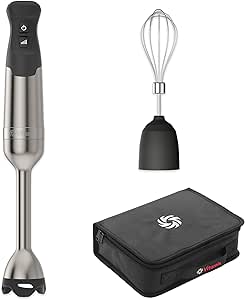
Vitamix 5-Speed Immersion Blender 3-Piece Bundle with Whisk and Storage Case

Bose QuietComfort Wireless Noise-Cancelling Headphones, Cypress Green

Samsung 65-Inch The Frame Pro Neo QLED 4K TV (2026) Bundle with Modern Brown Bezel, HDMI Cables, and Home Theater Guide
As an affiliate, we earn on qualifying purchases.
How the Taste Test Was Conducted
The Good Trade presents the list as an editorial review rather than a controlled clinical or laboratory comparison. According to its methodology statement, the editor tested the drinks personally, considered taste and functionality, and reviewed brand information about ingredients. The publication says it continues to update the list with new products that meet its criteria.
The publisher also discloses a commercial relationship: it says it may earn a commission when readers buy through some links. That disclosure does not establish that any product was selected because of a commission, but it is relevant information for readers evaluating a shopping-oriented review. The source says the beverages were sent for review, another detail readers can weigh when considering the recommendations.
“I’ve personally tested them all for taste, functionality, and high-quality ingredients.”
— The Good Trade
Limits of the Supplied Review Details
The provided source material does not show the full 15-product list, complete tasting notes, prices for every drink, or the editor’s detailed findings for each entry. It is therefore not possible here to identify which beverage performed best overall or to verify how products compared on taste, value or ingredient profile.
The source also does not specify when the article was published or most recently updated. Its references to functional ingredients describe intended or marketed effects; the supplied material does not provide clinical evidence for those effects, nor does it clarify the alcohol content of every product. Alcohol-free labeling and formulation can differ, so readers should check individual product labels when strict avoidance matters.
Check the Full List and Labels
The Good Trade says it updates the roundup as it finds additional products that meet its criteria. Readers seeking a specific flavor, price or ingredient profile will need to consult the full article for the complete list and product-level tasting notes, then check current manufacturer labels for ingredients, caffeine, sugar and alcohol content. No further publication date or update schedule is provided in the supplied source.
Key Questions
What did The Good Trade publish?
It published a roundup of 15 alcohol alternatives, which the site says an editor tested for taste, functionality and ingredient quality.
What types of drinks are included?
The source describes categories including mocktails, alcohol-free spirits, aperitifs, non-alcoholic beer and wine, sparkling fruit drinks, and beverages marketed for relaxation or focus.
Were the products independently tested?
The publication says its editor personally tested the drinks and reviewed brand materials. The source does not describe laboratory testing or a controlled comparison; it also says the products were sent for review.
Does the roundup prove that functional ingredients improve health?
No. The source reports ingredient types and intended functions, but a taste-test roundup does not establish health effects. Readers should review product labels and seek qualified advice about health questions.
Does The Good Trade earn money from purchases?
The publication says it may earn a commission when readers buy through some links. It also directs readers to information about its methodology and business model.
Source: rss