To protect your back and optimize your workout, follow the three-step rowing sequence: start with the drive, pushing through your legs with a straight back and engaged core; then move into the shift, leaning forward smoothly from the hips and extending your arms; finally, perform the recovery, bending your knees and hinging at the hips, keeping your form steady. Proper setup and consistent practice will help you avoid strain—keep going to learn more about perfecting each step.
Key Takeaways
- Focus on a proper 3-step sequence: drive with legs, lean back slightly, then extend arms; reverse for recovery.
- Maintain a straight back and engage core throughout each phase to protect your lower back.
- Adjust equipment properly to ensure a natural range of motion and minimize strain.
- Keep shoulders relaxed and away from ears, avoiding hunching during the drive and recovery.
- Perform controlled, deliberate movements with consistent form to prevent back injury and maximize effectiveness.

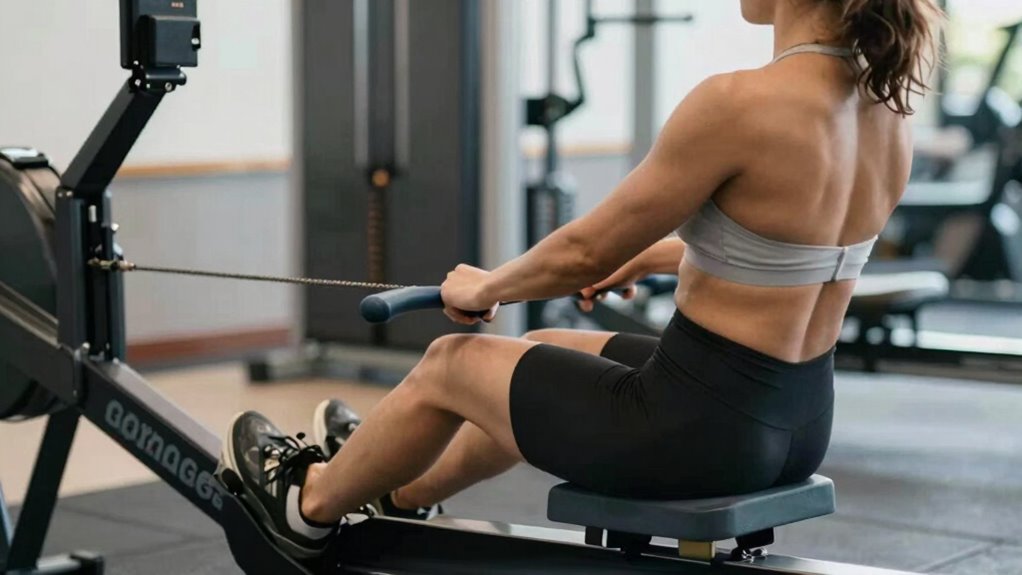
Are you getting the most out of your rowing workouts? If you’re serious about building strength and endurance while protecting your back, mastering your rowing machine form is essential. The foundation begins with proper posture and equipment adjustment. When you sit down, make sure your hips are aligned with your knees and ankles. Adjust the foot straps so your feet are secure yet comfortable—your heels should stay firmly planted, and your knees should be able to bend freely without feeling cramped. Properly adjusting your footplates ensures your body stays in the ideal position throughout each stroke, preventing unnecessary strain.
Ensure proper posture and equipment adjustment for effective, safe rowing workouts.
Once you’re seated comfortably, focus on maintaining proper posture from the start. Sit tall with a straight back, engaging your core muscles to support your spine. Keep your shoulders relaxed and away from your ears, avoiding the common tendency to hunch forward. This posture not only enhances your efficiency but also minimizes the risk of injury. As you grasp the handle, your arms should extend straight without locking your elbows; your grip needs to be firm but relaxed. This initial setup is vital because it sets the tone for the entire movement.
The first step in the rowing sequence involves the drive phase. Here, you push through your legs while keeping your core engaged and your back straight. The power comes from your legs, not your arms or back, so focus on a strong leg drive before leaning back slightly at the hips. Your arms should stay extended until your legs have finished pushing, which keeps your back safe from unnecessary strain. During this phase, ensure your equipment is properly adjusted so your range of motion feels natural and smooth. If your seat or foot straps are off, you might compensate with poor posture, risking injury or ineffective workouts.
As you finish the drive, you’ll lean back slightly at the hips, engaging your core for stabilization. This is the second step—transitioning from the drive to the recovery. Keep your back straight and shoulders relaxed as you prepare for the return. On the recovery, extend your arms first, then hinge at the hips, allowing your torso to lean forward smoothly. Your knees bend as you slide forward on the seat, preparing for the next stroke. Proper equipment adjustment ensures this movement feels fluid, reducing strain on your back and shoulders. Additionally, equipment setup plays a crucial role in maintaining consistent form and safety throughout your workout.
The third step completes the cycle by returning to the starting position. Focus on controlled, deliberate movements—don’t rush through the recovery. Maintain proper posture by keeping your spine aligned and shoulders down. Repeat this sequence steadily, ensuring your form remains consistent. Correct equipment adjustment and mindful posture during each phase maximize your workout’s effectiveness and protect your back. With practice, this disciplined approach helps you get stronger, faster, all while keeping your back safe and healthy.

Rowing Machine Feet Straps for Concept 2 Rower – Foot Strap Replacement, Compatible with Models D & E – 2 Pack
High-Quality Replacement: Rowing machine foot straps, compatible with Concept 2 rower straps. Designed to be compatible with various…
As an affiliate, we earn on qualifying purchases.
As an affiliate, we earn on qualifying purchases.
Frequently Asked Questions
How Often Should I Practice Proper Rowing Form?
You should practice proper rowing form daily or at least 3-4 times a week to guarantee consistent technique refinement. Focus on maintaining correct posture and smooth movements to prevent injury and optimize your workout. Regular practice helps ingrain good habits, reduces strain on your back, and boosts overall efficiency. Remember, quality over quantity is key—listen to your body and correct form mistakes as soon as they arise.
What Are Common Mistakes to Avoid During Rowing?
Think of rowing like building a house; if you skip the foundation, it collapses. Avoid common mistakes like overreaching or using your arms too much, which can cause rowing injuries. Focus on proper form correction—keep your back straight and engage your core. This prevents strain and guarantees efficiency. Staying mindful of these errors helps you stay safe and get the most out of each session.
How Can I Tell if My Back Is Hurting From Rowing?
You’ll notice your back hurting if you feel persistent pain or discomfort during or after rowing. Check your spinal alignment—if it feels off or you’re hunched over, that’s a sign. Pain that lingers suggests strain, risking injury. To prevent this, focus on maintaining proper form, engaging your core, and avoiding overextension. Listening to your body helps you spot issues early and keeps your workout safe and effective.
Are There Specific Modifications for Beginners?
Think of your rowing form as a delicate dance—you need gentle steps to avoid missteps. As a beginner, you should make equipment adjustments for comfort and focus on posture cues like keeping your back straight and shoulders relaxed. Start slow, emphasizing proper technique, and gradually build strength. This approach helps prevent strain and guarantees you get the most out of your workout without risking injury.
How Does Proper Form Improve Rowing Efficiency?
Proper form improves your rowing efficiency by ensuring ergonomic adjustments that maximize power and comfort. When you maintain correct posture, you engage the right muscles, like your core, legs, and back, more effectively. This not only boosts your workout performance but also reduces fatigue and prevents injury. By focusing on proper form, you optimize every stroke, making your rowing sessions more productive and enjoyable while protecting your back and joints.
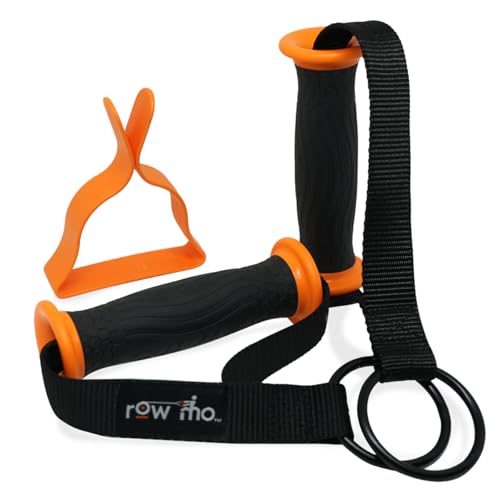
RowMo Grip System for Concept 2 Rowing Machine, Ergonomic Handles with Straps, Black and Orange
ENHANCED ROWING EXPERIENCE: RowMo Handles transform your Concept 2 rowing machine with oar-like movements and full range of…
As an affiliate, we earn on qualifying purchases.
As an affiliate, we earn on qualifying purchases.
Conclusion
By mastering this 3-step sequence, you’ll protect your back and get the most out of your rowing workouts. Remember, proper form reduces injury risk and boosts efficiency. Did you know that rowers who follow correct technique burn up to 30% more calories? Keep practicing, stay mindful of your posture, and enjoy a safer, more effective workout every time you hit the machine. Your back will thank you for it!

Aviron Lumbar Support Kit: Enhanced Comfort & Posture for Strong Series Rower | Prevents Overextension, Ideal for Active Aging, Compatible with Strong Series & StrongGo Models
Experience enhanced comfort and support with the Aviron Lumbar Support Kit, designed specifically for the Strong Series model….
As an affiliate, we earn on qualifying purchases.
As an affiliate, we earn on qualifying purchases.

Sunny Health & Fitness Smart Compact Adjustable Rowing Machine, 12 Levels Adjustable Resistance, Complete Body Workout, Connect via Bluetooth with Exclusive SunnyFit App – SF-RW1205SMART
【FULL BODY WORKOUT】Complete body workout that engages all major muscle groups with the smooth, hydraulic resistance that targets…
As an affiliate, we earn on qualifying purchases.
As an affiliate, we earn on qualifying purchases.