
Starting a prayer journal is easy with simple prompts like noting daily gratitude or asking for guidance. Use prompts such as “Today, I feel…” or reflect on scripture verses that speak to you. This helps keep your focus on God and encourages honest communication. Regularly writing deepens your connection, helps you see growth over time, and provides clarity during tough moments. Keep exploring these practices to discover how they can transform your faith journey.
Key Takeaways
- Start with daily gratitude prompts to foster positivity and connection with God.
- Use simple questions like “Today, I feel…” or “I seek guidance on…” to clarify thoughts.
- Incorporate meaningful scripture verses that resonate with your current spiritual needs.
- Reflect on answered prayers and ongoing questions to deepen your faith journey.
- Maintain consistency by setting aside dedicated time for regular prayer journaling sessions.

Have you ever wondered how to deepen your prayer life and stay more focused during your conversations with God? Prayer journaling can be a powerful tool to help you do just that. When you start putting pen to paper, you create a dedicated space for your spiritual growth, allowing your thoughts and feelings to flow more freely. It’s not about writing perfect sentences or long essays; it’s about connecting authentically with God through your daily reflections. By documenting your prayers, you gain insight into your spiritual journey and see how your faith evolves over time.
Beginning with simple prompts can make the process less intimidating. For instance, you might start by writing about what you’re grateful for each day. This encourages a positive mindset and helps you recognize God’s blessings in your life. Another effective prompt is asking yourself what you need help with or what you want to thank God for. These reflections deepen your understanding of your needs and foster a sense of trust and dependence on divine guidance. As you continue, you’ll notice how these small reflections build a habit, reinforcing your focus during prayer and nurturing your spiritual growth.
Using prompts like “Today, I feel…” or “I seek guidance on…” can help you clarify your thoughts and feelings. These simple exercises serve as a starting point, making it easier to stay engaged with your prayer practice. As you get more comfortable, you can expand your journaling to include scripture verses that speak to you, or write down questions you want to explore in your faith journey. This process transforms your prayer time from a routine into a meaningful dialogue with God, helping you stay present and attentive. Additionally, incorporating personal reflection into your journaling can deepen your understanding and connection with your faith. Recognizing the importance of faith development can motivate you to maintain consistency in your prayer journaling practice. Furthermore, understanding spiritual growth as a continuous journey can inspire you to keep exploring new ways to connect with God through your writing. Developing a regular practice of prayer journaling can also enhance your spiritual discipline, making your faith more resilient during challenging times. Cultivating this habit can help you develop a stronger sense of mindfulness and intentionality in your spiritual life.
Your prayer journal becomes a personal record of your spiritual growth, allowing you to look back and see how your faith has developed. When you reflect on past entries, you might notice patterns or answers to prayers that previously seemed unanswered. This insight can deepen your trust and encourage you to keep praying with intention. The act of journaling also helps you stay grounded, especially during challenging moments, by reminding you of God’s constant presence and guidance. Over time, these simple prompts and daily reflections will strengthen your connection with God, making your prayer life more intentional and fulfilling.
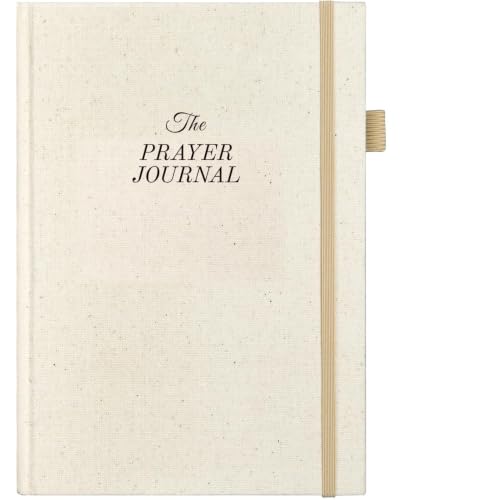
Zorblinx Prayer Journal for Woman – 60 Weeks Bible Journal with Prompts, Verse and Scripture – Devotional Journal for Women and Men, Bible Study Journal for Christians, Beige
- Purpose of Prayer Journal: Deepen connection with the divine
- Content Included: Space for prayers, reflections, and scripture
- Utility: Enhances faith engagement and spiritual documentation
As an affiliate, we earn on qualifying purchases.
As an affiliate, we earn on qualifying purchases.
Frequently Asked Questions
How Often Should I Journal My Prayers?
You should journal your prayers as often as it helps you maintain prayer consistency and feels meaningful. There’s no set rule for journaling frequency; some people find daily writing inspiring, while others prefer weekly reflections. The key is to stay consistent with whatever schedule you choose. Regular journaling deepens your connection with God and helps you track your spiritual growth, so find a rhythm that fits your life and stick with it.
What Materials Are Best for Prayer Journaling?
Did you know 80% of journalers prefer quality paper? For prayer journaling, choose thick, smooth paper to prevent ink bleed and enhance your experience. Use sturdy journaling tools like fine-tip pens or colored pencils for clarity and creativity. Opt for a durable journal with a comfortable cover, making it easier to keep your prayers organized and accessible. Good materials help you stay motivated and make your prayer journaling more meaningful.
Can I Include Drawings or Doodles in My Journal?
Yes, you can definitely include drawings or doodles in your prayer journal. Artistic expression adds a personal touch and helps you connect more deeply with your prayers. Feel free to incorporate creative embellishments like sketches, symbols, or even inspiring images. These elements make your journal uniquely yours, encouraging reflection and making your prayer time more meaningful. Don’t worry about perfection; let your creativity flow freely!
How Do I Stay Consistent With Prayer Journaling?
Staying consistent with prayer journaling is like tending a garden; regular care yields growth. Set aside a specific time each day for personal reflection, even if just a few minutes. Keep your journal accessible and make it a priority, not an afterthought. Over time, this habit nurtures your spiritual growth, helping you stay connected and honest in your prayers. Remember, consistency turns small steps into meaningful progress.
Is Prayer Journaling Suitable for All Faith Backgrounds?
Prayer journaling can be suitable for all faith backgrounds, especially when you focus on interfaith practices and spiritual inclusivity. It’s a flexible tool that allows you to explore your beliefs, reflect on your spiritual journey, and connect with your higher power or inner self. By adapting prompts and language, you can make prayer journaling meaningful regardless of your faith tradition, fostering personal growth and understanding across diverse spiritual paths.
Conclusion
Starting your prayer journaling journey is like planting a seed; with patience and consistency, you’ll watch your relationship with God grow stronger each day. Don’t worry about perfection—just open your heart and let your words flow freely. Remember, journaling isn’t about writing a masterpiece, but about honest connection. As you keep at it, you’ll find your faith blooming like a beautiful garden, revealing new insights and peace you never knew possible.