
To raise digital-wise kids, set clear, consistent family tech rules that cover screen time limits and device curfews. Explain the reasons behind these limits to foster cooperation, and involve your kids in the process to build understanding. Use tools like parental controls for enforcement and model good habits yourself. Regularly revisit and adjust these rules as your children grow. Keep these principles simple and firm—if you keep at it, you’ll learn how to make rules that truly stick.
Key Takeaways
- Establish clear, consistent screen time limits and device curfews to promote healthy habits and prevent disruptions.
- Involve children in setting rules and explain the reasons to foster understanding and cooperation.
- Use parental controls and device settings to enforce limits and monitor usage effectively.
- Model responsible tech habits through your own device use to encourage similar behavior.
- Regularly review and adjust rules as children grow to support their development and maintain relevance.

Have you ever wondered how to create a balanced and safe tech environment for your family? Setting clear rules around screen time limits and device curfews is a great place to start. These boundaries help your kids develop healthy habits and prevent technology from interfering with other important aspects of life like sleep, homework, and family time. When you establish screen time limits, you’re teaching your children self-regulation, making them more aware of how much time they spend in front of screens. You might decide on a specific amount of daily screen time, such as no more than two hours on weekdays, and a bit more on weekends. Consistency is key here; if you set a limit, stick to it, so your kids know what to expect and understand that rules are firm but fair. Device curfews are equally important because they set a clear boundary for when screens are turned off, especially in the evening. For example, you might enforce a device curfew at 8 p.m., ensuring kids disconnect from screens at least an hour before bedtime. This helps improve sleep quality and establishes a routine that signals it’s time to wind down. When you implement these rules, explain the reasons behind them. Kids are more likely to follow guidelines if they understand that screen limits and curfews promote better sleep, reduce exposure to inappropriate content, and allow for more face-to-face interactions. Be transparent and involve them in the decision-making process. For instance, if they need their device for homework or communication with friends, work together to set appropriate limits that balance their needs and safety. It’s also helpful to use parental controls or device settings to enforce these rules. Many devices allow you to set daily limits or scheduled downtime, making it easier to stick to your plan. Remember, consistency and communication are essential. If your child exceeds the limits or forgets the curfew, handle it calmly. Remind them of the rules and the reasons behind them, and discuss how they can better manage their screen time next time. Also, model good behavior yourself. If you want your kids to follow a healthy tech routine, demonstrate those habits in your own use of devices. Keep in mind that rules shouldn’t be overly restrictive, but rather guiding principles that promote balance and well-being. As you reinforce these habits, understanding the electric power of bikes can serve as a metaphor for balancing energy and moderation in screen use. Over time, as your children grow and mature, you can revisit these limits together and adjust them accordingly. By establishing and enforcing clear screen time limits and device curfews, you’re helping your kids develop responsible tech habits that will serve them well now and in the future.

LittleHippo WISPI 3-in-1 Humidifier, Diffuser & Night Light for Baby/Kids - 3 Mist Strength, 7 LED Color Changing Lights, Essential Oil Tray for Aromatherapy - Cute Humidifiers for Bedroom/Nursery
ELEVATE YOUR SPACE WITH PATENTED DESIGN: Discover the perfect blend of functionality and aesthetics with WISPI, the cute...
As an affiliate, we earn on qualifying purchases.
Frequently Asked Questions
How Can Parents Enforce Tech Rules Consistently?
You can enforce tech rules consistently by establishing clear boundaries and sticking to them daily. Use parental monitoring tools to oversee your child’s online activity, ensuring they follow the rules. Communicate openly about why these boundaries matter, and involve your kids in setting them so they understand the importance. Consistency, combined with ongoing discussions, helps your children accept and respect your tech boundaries, making enforcement more effective.
What Are Effective Ways to Teach Kids Digital Responsibility?
You can teach kids digital responsibility by modeling good digital etiquette yourself, showing respect and kindness online. Talk openly about privacy boundaries and why they matter, helping your child understand the importance of protecting personal information. Encourage them to think before posting or sharing, and establish clear expectations about respectful communication. Regular conversations about online experiences reinforce responsible behavior and make digital responsibility a natural part of their online life.
How Do I Handle My Child’s Online Peer Pressure?
Handling your child’s online peer pressure is like steering a ship through choppy waters. You should openly discuss cyberbullying prevention and the importance of privacy setting strategies, empowering them to stand firm against peer influence. Encourage honest conversations and reinforce their self-worth beyond online validation. By setting clear boundaries and fostering confidence, you help your child navigate social pressures safely and confidently, like a seasoned sailor charting their own course.
What Are Signs My Child Is Addicted to Screens?
If your child shows signs of screen addiction, you might notice their screen time habits dominate their day, causing mood swings or irritability when offline. They may neglect hobbies, chores, or sleep. To help, set clear limits on device use and implement digital detox strategies, like tech-free zones or scheduled breaks. Keep communication open, encouraging healthier habits and ensuring they understand the importance of balancing online and offline life.
How Can I Balance Tech Use and Family Time?
You can strike a healthy balance by designating tech-free zones during family meals or outings, creating space for meaningful connections. Implement regular family digital detoxes, where everyone steps away from screens to focus on each other. Setting clear boundaries and dedicated tech time helps your child develop a healthy relationship with technology. Remember, consistency and leading by example encourage your family to prioritize quality time over digital distractions.

Zone Scent ZS3000B Marble White Waterless Essential Oil Diffuser – App Control Scent Air Machine with Bluetooth Speakers & Security Lock – Cold Air Tech, Covers 3,000 Sq. Ft – Home & Commercial Use
𝐓𝐑𝐀𝐍𝐒𝐅𝐎𝐑𝐌 𝐘𝐎𝐔𝐑 𝐒𝐏𝐀𝐂𝐄 𝐖𝐈𝐓𝐇 𝐀𝐑𝐎𝐌𝐀: Enhance any environment with our advanced scent oil diffuser, which is ideal for...
As an affiliate, we earn on qualifying purchases.
Conclusion
Think of your family’s tech rules as the lighthouse guiding ships safely through a stormy sea. Just like a lighthouse provides steady light to keep sailors on course, your rules help your kids navigate the digital world confidently and safely. Stay consistent and clear, so they know where the safe harbor is. With your steady guidance, they’ll learn to steer their digital ships wisely, turning the waves of technology into a voyage of growth and discovery.
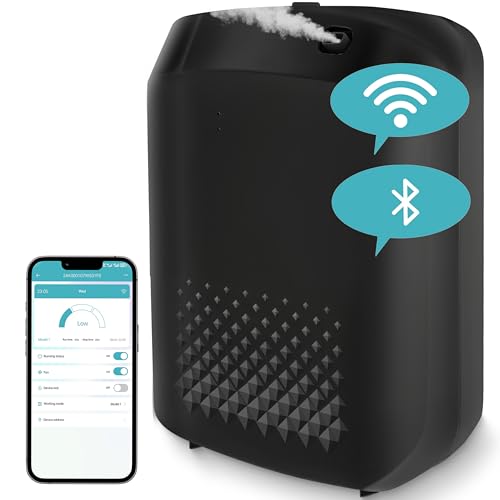
WiFi Smart Scent Air Machine for Home, App Control Waterless Essential Oil Diffuser, 1500 Sq.Ft Cold Air Diffusion System, 400ml Hotel Collection Diffuser for Large Room, Office (Black)
WATERLESS & HEATLESS PURITY ---- Say goodbye to diluted scents and messy water spills. Our Cold Air Diffusion...
As an affiliate, we earn on qualifying purchases.

Hallsmart 10L Ultrasonic Humidifier & Essential Oil Diffuser, 105W Smart Control, Child Lock, LED Display - White
WHOLE-ROOM 10L CAPACITY: 105W ultrasonic mist humidifies 800 sq ft spaces for 30+ hours—no nightly refills needed. Ideal...
As an affiliate, we earn on qualifying purchases.