

Published on Amazing Life Together – https://amazinglifetogether.com/

Get the little things that make your day delivered free with Prime
- Fast, free delivery on millions of items
- Prime Video, Amazon Music and more included
- Member-only deals all year
By Isabella Taylor, Chief Editor, Amazing Life Together
In today’s rapidly evolving family structures, caregiving often spans multiple generations, blending the wisdom of experience with the energy and innovation of youth. In this interview, I speak with Ethel Shepherd from Caregiver Support Network about how families can navigate intergenerational dynamics, share caregiving responsibilities, and balance the differing needs of all members. Ethel’s insights offer practical strategies for creating a harmonious caregiving environment where every generation feels valued and supported.
Isabella Taylor (Amazing Life Together):
Ethel, thank you for joining me today. To begin, could you share a little about your background and what led you to focus on intergenerational caregiving?
Ethel Shepherd:
Thank you, Isabella. My caregiving journey started from personal experience when I found myself juggling the needs of both older relatives and younger family members. I saw how intergenerational support could enrich caregiving, bringing together the patience and wisdom of older generations with the technological savvy and fresh perspectives of the younger ones. This inspired me to co-found Caregiver Support Network, where our mission is to empower caregivers with practical strategies and the confidence to embrace the benefits of a multigenerational approach.

Isabella Taylor:
Intergenerational caregiving brings unique benefits. What do you see as the primary advantages when multiple generations share caregiving roles?
Ethel Shepherd:
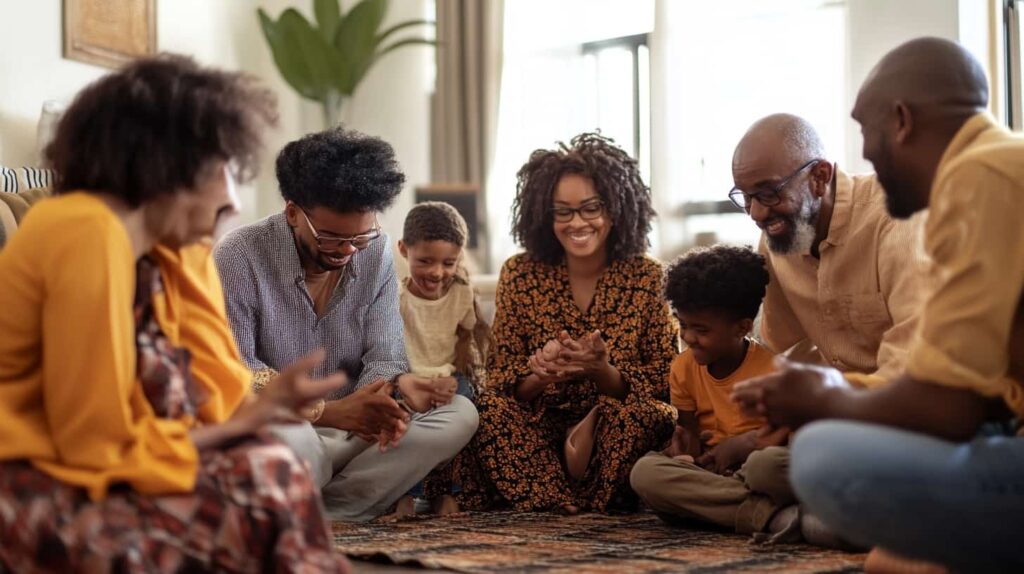
There are several key advantages. First, different generations offer complementary strengths—older caregivers often provide deep emotional support and practical experience, while younger family members can introduce innovative solutions and manage technology-based tasks. This blend not only enhances the quality of care but also fosters a sense of shared responsibility and deeper familial bonds. Moreover, when families work together, it creates opportunities for mutual learning and understanding, which can help bridge generational gaps and build a more resilient support system.
Isabella Taylor:
With these benefits come challenges as well. What are some common difficulties families face when caregiving roles are shared across generations?
Ethel Shepherd:
One of the most common challenges is communication. Different generations often have distinct communication styles—what feels clear to one age group might be perceived differently by another. Additionally, balancing competing responsibilities can be difficult; for example, younger caregivers might be managing careers or school while older members focus on the hands-on care. There’s also the issue of differing expectations regarding care methods and priorities, which can lead to conflict if not managed effectively. However, with open dialogue and proper planning, these challenges can be addressed and even transformed into opportunities for growth.
Isabella Taylor:
Can you share some practical strategies that families can use to improve communication and balance responsibilities in intergenerational caregiving?
Ethel Shepherd:
Absolutely. One effective strategy is to establish regular family meetings where everyone can discuss their roles, expectations, and concerns in a safe, structured environment. Utilizing digital tools like shared calendars or caregiving apps can also help keep everyone on the same page regarding appointments and daily tasks. It’s equally important to set clear boundaries and delegate responsibilities based on each person’s strengths and availability. For example, younger family members might manage tech-related tasks, while older members could offer guidance on care routines. Encouraging empathy, patience, and active listening during discussions can go a long way toward resolving conflicts and ensuring everyone feels heard.
Isabella Taylor:
How can families integrate the unique strengths of each generation to create a more cohesive caregiving plan?
Ethel Shepherd:
Integration starts with recognizing and celebrating the unique contributions each generation brings to the table. Families can start by mapping out all available skills and resources—this might include everything from financial planning and medical management to emotional support and technology skills. Once these strengths are identified, roles can be allocated accordingly. It’s also beneficial to encourage intergenerational mentorship, where older members share traditional caregiving wisdom and life experience, while younger members can help modernize certain processes with digital tools. Ultimately, the goal is to foster an environment where every generation feels valued and empowered to contribute in a way that plays to their strengths.
Isabella Taylor:
Could you share a success story or an example of a family that has effectively balanced intergenerational caregiving roles?
Ethel Shepherd:
Certainly. I recall a family caring for an aging parent where initially there was tension due to unclear role definitions. Through structured family meetings and the use of a shared digital calendar, they were able to delineate responsibilities clearly. The younger members took on tasks such as scheduling medical appointments and managing digital records, while the older members focused on providing emotional support and sharing practical caregiving tips from their own experiences. Over time, not only did the caregiving process become more efficient, but the family also grew closer, with each generation feeling respected and supported. This transformation highlighted the power of clear communication and thoughtful role allocation.
Isabella Taylor:
What final advice would you offer to families beginning their journey in intergenerational caregiving?
Ethel Shepherd:
My advice is to start with open, honest conversations and to approach caregiving as a shared journey. Embrace the diversity of skills and perspectives each generation offers, and view challenges as opportunities to learn from one another. Be proactive in setting clear boundaries and expectations, and don’t hesitate to leverage technology and professional resources to streamline your efforts. Remember, the strength of intergenerational caregiving lies in unity—when families work together with empathy and respect, they can create a nurturing and balanced environment that benefits everyone involved.
Isabella Taylor:
Thank you, Ethel, for sharing your insights and practical strategies on navigating intergenerational family dynamics. Your work at Caregiver Support Network is a beacon of hope and guidance for families everywhere, and I’m confident our readers at Amazing Life Together will find your advice both inspirational and actionable.
Ethel Shepherd:
Thank you, Isabella. It’s been a pleasure discussing these important topics. I hope our conversation encourages families to embrace the strengths of all generations and to work collaboratively towards a more supportive and balanced caregiving experience.
About Caregiver Support Network
Welcome to Caregiver Support Network, your trusted source for comprehensive caregiver resources and support. At Caregiver Support Network, we understand the challenges and demands faced by caregivers who selflessly dedicate their time and energy to the well-being of their loved ones. Our mission is to provide caregivers with the tools, knowledge, and community they need to navigate their caregiving journey with confidence and compassion.
Who We Are
Caregiver Support Network is a team of dedicated professionals, caregivers, and experts committed to making a difference in the lives of caregivers everywhere. Founded by individuals who have personally experienced the joys and struggles of caregiving, we know firsthand the importance of having access to reliable information and support. Our platform offers a wealth of resources, expert advice, and community connections designed to empower caregivers to face challenges head-on and thrive in their caregiving roles.
For more caregiving tips, inspiring stories, and support resources, visit Caregiver Support Network.
NFL season / tailgating Picks
team gear
As an affiliate, we earn on qualifying purchases.