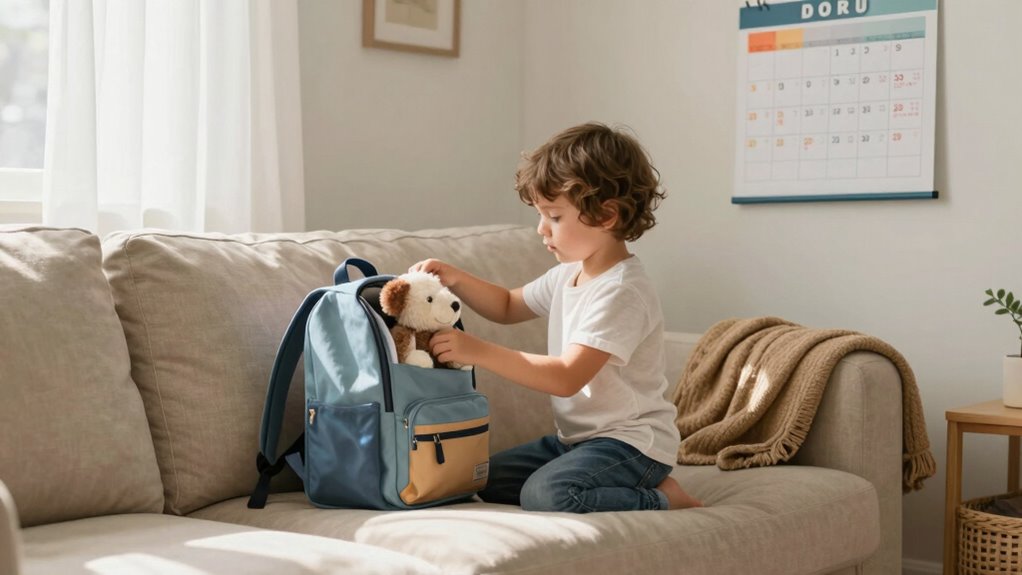

To help your kids shift smoothly between homes, establish consistent routines at both locations, like regular wake-up, mealtime, and bedtimes. Use visual schedules and checklists to keep them informed and prepared for each move. Encourage your children to take ownership of packing and routines, which builds their confidence. Reassure them that both homes are safe and loving. If you continue, you’ll discover more effective strategies to create stability and ease transitions.

Get the little things that make your day delivered free — and shop member deals
- Fast, free delivery on millions of items
- Access to Prime Big Deal Days deals on October 6–7
- Prime Video, Amazon Music and more included
Key Takeaways
- Establish consistent routines at both homes to create stability and familiarity for children.
- Use visual schedules to clarify daily routines and upcoming transitions.
- Communicate openly about schedules and changes to reduce anxiety.
- Involve children in planning routines to increase their sense of control.
- Prepare children with checklists and labeled belongings for smooth packing and unpacking.
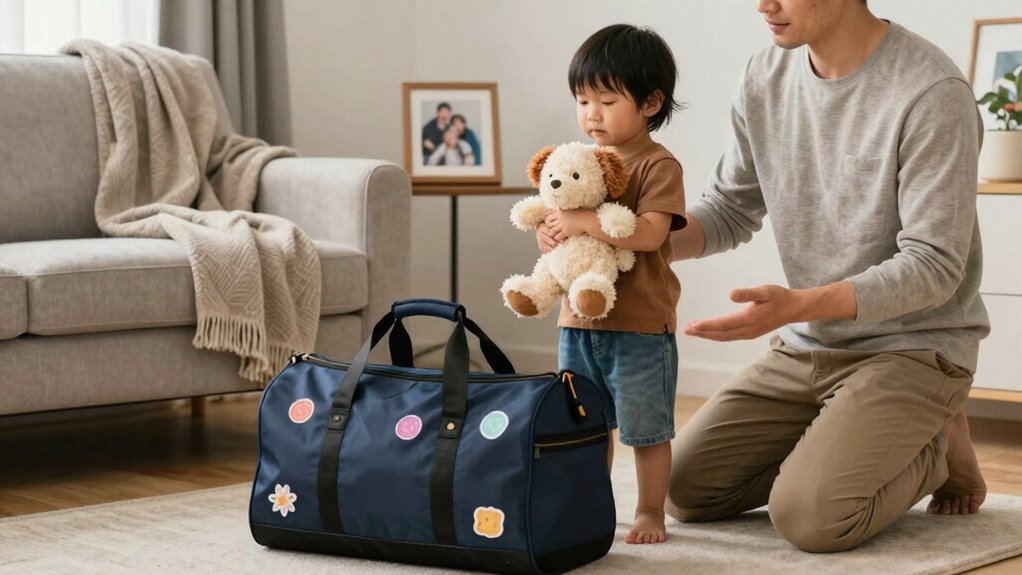
Moving between homes can be challenging for kids, especially when routines aren’t clear or consistent. As a parent, your communication plays a crucial role in easing this changeover. When you keep open, honest conversations with your child, they begin to understand what to expect, which reduces anxiety. Make sure to discuss the schedules in advance and listen to their concerns. Reassure them that both homes are safe and loving places, and emphasize that their belongings and routines will be respected. Clear communication helps your child feel more secure and prepared for each changeover. Establishing predictable routines at both homes can significantly improve their sense of stability and comfort. Consistency in routines helps children feel more in control and reduces potential stress during transitions. Developing a consistent schedule can create a sense of normalcy and help children anticipate what comes next, making transitions smoother. Packing strategies also considerably impact how smoothly your child moves between homes. Developing a reliable packing routine ensures they have everything they need without feeling overwhelmed. You might create a checklist of essentials—clothes, toiletries, favorite toys or comfort items—and review it together before each move. Consistency is key, so try to pack similar items for each trip, which helps your child recognize familiar belongings and routines. Using labeled bins or bags can make unpacking easier and faster, giving your child a sense of control amid change. Encourage them to take ownership of their packing, which fosters independence and helps them feel more in charge of their environment. Additionally, a well-organized packing system can minimize last-minute stress and make transitions smoother. Incorporating effective packing strategies can further enhance this process, making it more manageable. Understanding the importance of routines and involving children in the process empowers them to adapt more easily to their changing environment. Incorporating simple visual schedules can also help children better understand and anticipate their routines during transitions.
As an affiliate, we earn on qualifying purchases.
Frequently Asked Questions
How Can I Ease My Child’s Anxiety During Transitions?
To ease your child’s anxiety during shifts, offer emotional reassurance by calmly listening to their concerns and validating their feelings. Maintain consistent schedules to create a sense of stability, helping them feel secure. Prepare your child in advance for upcoming changes, and keep routines predictable. This combination of emotional support and consistency helps your child feel more in control, reducing anxiety and making shifts smoother for everyone involved.
What Are Some Effective Communication Strategies for Co-Parents?
Your communication should be as clear as crystal. Use shared calendars to keep everyone on the same page, avoiding misunderstandings that can feel like a wildfire. Maintain consistent messaging, so your co-parent knows where your focus lies and your child’s needs. Always stay respectful and open, fostering a collaborative environment. This approach minimizes confusion and builds trust, ensuring your child’s well-being stays the top priority through seamless, unified communication.
How Do Routines Differ for Younger Versus Older Children?
You tailor routines based on age-appropriate activities, considering developmental differences. For younger kids, focus on simple, consistent routines like bedtime stories and snack times. Older children benefit from routines involving homework, chores, and free time planning. You keep shifts seamless by adjusting routines to their maturity levels, ensuring they feel secure and understood. This approach helps them adapt comfortably between homes, fostering stability and confidence during their changing environments.
What Should I Do if My Child Resists the Transition Routines?
Think of your child’s resistance like a young tree bending in the wind. You can’t force it upright instantly; instead, you gently support and steady it. If your child resists change routines, consider sibling dynamics and adjust shift timing to ease the process. Be patient, offering reassurance and consistency. Over time, your child will regain confidence, much like the tree straightening after the storm, embracing smoother transitions.
How Can Technology Assist in Maintaining Routines Across Homes?
Digital tools can be a huge help in maintaining routines across homes. You can set up shared calendars or reminder apps to keep everyone on the same page. Virtual check-ins allow you to connect with your child regularly, reinforcing routines and providing reassurance. By using these technologies, you guarantee your child feels connected and supported, even when moving between different environments. It’s an effective way to promote consistency and ease anxiety.
Conclusion
By establishing smooth routines, you’re like a steady guiding star in your child’s sky, helping them navigate the shift between homes with confidence. These routines act as gentle bridges, easing the journey and anchoring their sense of security. When you create predictable rhythms, you’re planting seeds of comfort that grow into resilience. Remember, every small gesture builds a strong, unwavering foundation, turning the often turbulent waters into a calm, steady stream of love and stability.
Fall Picks
fall essentials
As an affiliate, we earn on qualifying purchases.