
TL;DR

Get the little things that make your day delivered free with Prime
- Fast, free delivery on millions of items
- Prime Video, Amazon Music and more included
- Member-only deals all year
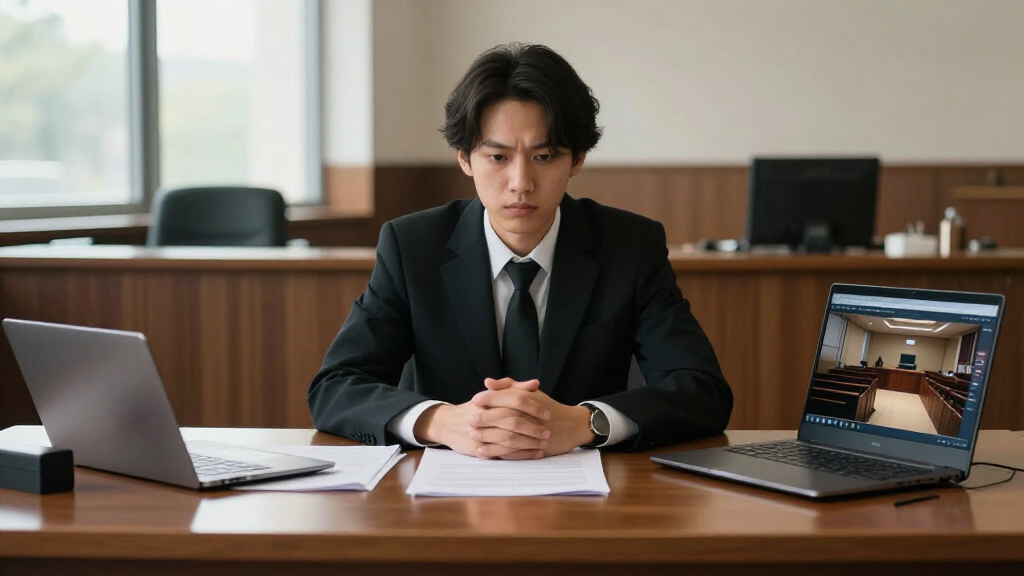
A mistrial occurs when a trial cannot be completed or a verdict is invalid, often due to procedural errors or juror issues. Its occurrence impacts the legal process and future proceedings.
A mistrial is a legal declaration that halts a trial without reaching a verdict, often due to procedural errors, juror misconduct, or other issues that prevent a fair trial. This development matters because it can delay justice and require a new trial to be scheduled, affecting defendants, victims, and the judicial process.
In the legal system, a mistrial is declared when a court determines that a trial cannot proceed properly or fairly. This can happen for various reasons, including juror misconduct, hung juries where jurors cannot reach a unanimous decision, or procedural errors that compromise the integrity of the trial. Once a mistrial is declared, the case is typically dismissed without a verdict, and prosecutors may choose to retry the case or drop charges altogether.
Legal experts emphasize that a mistrial is not a verdict of innocence or guilt but a procedural halt. For example, if new evidence emerges or if jurors are found to have been biased or influenced improperly, a judge may declare a mistrial to preserve fairness. The decision is at the judge’s discretion, often based on the specific circumstances of the trial.
The consequences of a mistrial are significant: the case must often be restarted, which can lead to additional costs, delays, and emotional strain for all involved. It also raises questions about the fairness of the original proceedings and whether the case will be retried or dismissed permanently.
Implications of a Mistrial for the Justice System
The occurrence of a mistrial impacts the efficiency and fairness of the justice system. It can lead to delays in delivering justice, increase legal costs, and sometimes result in the case being dismissed if prosecutors decide not to pursue a new trial. For defendants, a mistrial can mean an indefinite delay in resolving their case, while victims may face prolonged uncertainty. Additionally, repeated mistrials can raise concerns about procedural fairness and judicial competence, influencing public trust in the legal process.
Popular right now

Hisense 43-Inch E6SR Series Hi-QLED 4K UHD Smart Roku TV (2026 Model)

Shark AV2501S AI Ultra Robot Vacuum with Self-Empty Base

Dyson V15 Detect Cordless Vacuum
As an affiliate, we earn on qualifying purchases.
Legal Processes and Common Causes of Mistrials
The concept of a mistrial has been part of the legal system for centuries, serving as a safeguard against unfair proceedings. Historically, mistrials are declared in cases where jurors are unable to reach a unanimous decision after prolonged deliberation, or when procedural errors occur that could prejudice the outcome. Recent media coverage has increased interest in mistrials, particularly as high-profile cases sometimes result in mistrials due to juror misconduct or external influences.
While the specific reasons for mistrials vary, they often involve issues like juror bias, misconduct, or procedural violations. Courts aim to ensure trials are conducted fairly, and declaring a mistrial is a last resort when problems threaten that fairness. The decision to declare a mistrial is made by the presiding judge, who considers the circumstances carefully.
In some cases, mistrials have been used strategically by prosecutors or defense attorneys, though legally they are meant to be a neutral remedy for procedural issues. The frequency of mistrials can fluctuate based on legal reforms, courtroom practices, and the complexity of cases.
Unclear Aspects of Mistrials and Their Future Impact
It remains unclear how frequently mistrials will occur in the current legal climate, especially as court procedures evolve. Additionally, the long-term impacts on case outcomes and public trust are still being studied, and some experts question whether current safeguards are sufficient to prevent unnecessary mistrials.
There is also uncertainty about how new legal reforms or policies might influence the likelihood of mistrials in future cases, as well as how courts will handle complex cases that may have higher risks of procedural issues.
Next Steps After a Mistrial Declaration
Following a mistrial, prosecutors and defense attorneys will decide whether to pursue a new trial or drop the charges. If a new trial is scheduled, the case will go back to court with potential adjustments to address previous issues, such as jury selection or procedural safeguards. The timing for retrials varies based on court schedules and case complexity.
Legal experts anticipate that courts will continue to refine procedures to reduce the occurrence of mistrials, aiming to improve trial efficiency and fairness. For the public and involved parties, the key focus remains on ensuring justice is served without unnecessary delays.
Key Questions
What causes a mistrial?
A mistrial can be caused by juror misconduct, inability of jurors to reach a verdict, procedural errors, or external influences affecting the fairness of the trial.
Can a case be retried after a mistrial?
Yes, prosecutors often have the option to retry the case unless the charges are dismissed or the case is resolved through other means.
Does a mistrial mean the defendant is innocent?
No, a mistrial does not determine guilt or innocence; it simply indicates that the trial was not completed properly or fairly.
How often do mistrials occur?
The frequency varies depending on case complexity and courtroom practices; recent trends suggest increased discussions but no definitive data on rising rates.
What is the difference between a mistrial and a hung jury?
A hung jury is a specific reason for a mistrial where jurors cannot reach a unanimous decision, whereas a mistrial can also be declared due to procedural issues or misconduct.
Source: google-trends