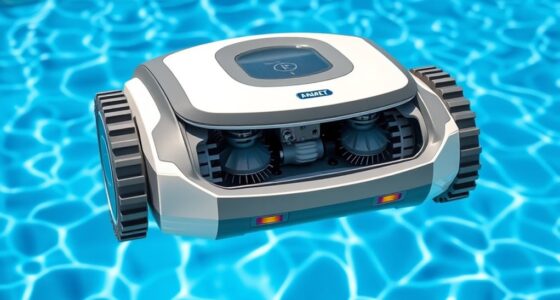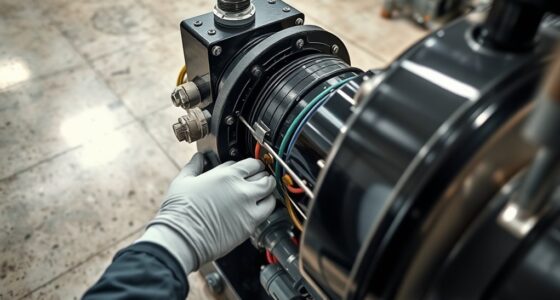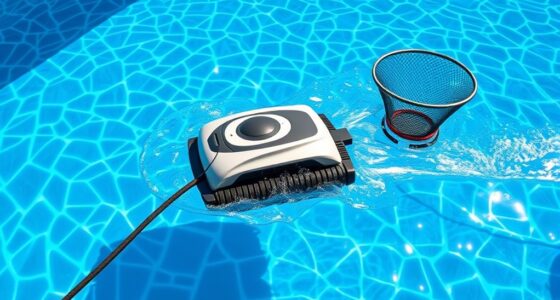
Pressure pool cleaners work by using the existing pressure from your pool’s pump system. They attach to a dedicated outlet and channel water through a hose to create movement. This pressure propels the cleaner across the pool’s floors and walls, while onboard brushes scrub away dirt and debris. They automatically operate without batteries or complex electronics. If you want to understand how they efficiently keep your pool sparkling, you’ll find more helpful details ahead.
Key Takeaways
- They operate using pressure from the pool’s existing pump system, attaching to a dedicated outlet in the filtration system.
- Water is channeled through a hose, creating movement that propels the cleaner across pool surfaces.
- The cleaner moves randomly or in patterns to thoroughly cover the pool floor and walls.
- Internal brushes and filters loosen debris and trap dirt, leaves, and small particles in onboard collection containers.
- Proper maintenance of filters, water pressure, and debris containers ensures optimal performance and longevity.

Pressure pool cleaners are powerful tools that make maintaining your swimming pool easier and more efficient. They operate using the pressure created by your pool’s existing pump system, allowing for automatic operation without requiring manual effort. This means you can set the cleaner to work while you tend to other tasks or relax poolside. The key advantage is their ability to handle debris removal effectively, ensuring your pool stays clean and inviting with minimal hassle.
Once you turn on your pressure pool cleaner, it attaches to a dedicated outlet in your pool’s filtration system. Water is channeled through the cleaner via a hose, which provides the force needed for movement and cleaning. The pressure generated propels the cleaner across the pool floor and walls, allowing it to navigate various surfaces and angles. As it moves, its internal brushes and scrubbing components loosen dirt, algae, and debris stuck on surfaces. Proper maintenance of the filtration system can enhance the cleaner’s efficiency and lifespan. Additionally, many models feature adjustable settings to optimize cleaning performance based on pool size and debris types.
The automatic operation of these cleaners is what makes them so popular. Because they rely on the pressure from your pool’s pump, they don’t require batteries or complex electronics. You simply connect the hose, turn on the pump, and the cleaner begins its cycle. Many models are designed to move randomly or in predetermined patterns, ensuring thorough coverage of the pool’s surfaces. This automatic movement means you don’t need to control it manually, freeing you up for other activities.
Debris removal is a central feature of pressure pool cleaners. As they glide across the pool, they pick up leaves, dirt, sand, and other debris, trapping them in onboard filters or collection bags. This keeps the pool water clear and reduces the workload on your main filtration system. Some models are equipped with fine filters for capturing smaller particles, while others are better suited for larger debris. Regularly checking and emptying the debris container guarantees excellent performance. Additionally, choosing a cleaner with effective debris collection can minimize clogging and maintenance needs.
Because pressure pool cleaners work continuously during their cycle, they’re particularly effective at maintaining cleanliness over time. They’re also durable, with fewer electronic components that might fail, making them a reliable choice for regular use. Furthermore, selecting a model with adjustable cleaning modes can help tailor the cleaning process to your pool’s specific needs. Additionally, since they are designed to handle various debris types including small particles, they help keep the pool water at optimal clarity. Regular maintenance of the cleaner and ensuring proper water pressure can extend its operational lifespan. The ease of automatic operation combined with their debris removal capabilities means you spend less time skimming, vacuuming, or scrubbing manually. Instead, your pool stays cleaner, longer, with less effort on your part.

Mangodan Cloud Sectional Couch, Boneless Sofa for Living Room, Fluffy Comfy Couch with Deep Seat, Modular Sectional Sofa with L-Shaped Chaise, No Assembly Required, Dark Grey
Soft Corduroy Fabric: Upholstered in smooth, breathable corduroy, this Cloud Sectional Couch features an L-shaped chaise sofa design...
As an affiliate, we earn on qualifying purchases.
Frequently Asked Questions
Can Pressure Pool Cleaners Handle Large Debris Effectively?
Pressure pool cleaners can handle large debris effectively due to their high debris capacity and strong suction efficiency. You’ll find they’re designed to tackle leaves, twigs, and other sizable debris without clogging. Their powerful jets and robust suction help lift and remove large debris quickly, making your pool cleaning easier. Just make certain your cleaner’s debris capacity matches your pool’s debris level, and you’ll enjoy a cleaner pool with less effort.
How Often Should I Run My Pressure Pool Cleaner?
You should run your pressure pool cleaner based on your pool’s cleaning schedule and debris levels. Typically, running it 2-3 times a week keeps your pool clean and maintains water quality. Regular use enhances energy efficiency, preventing debris buildup that requires more effort later. Adjust cleaning frequency during heavy usage or storms, ensuring best performance while conserving energy and reducing costs.
Are Pressure Pool Cleaners Suitable for All Pool Types?
While some might think pressure pool cleaners aren’t suitable for all pool types, they actually work well on various pool surfaces, including concrete, vinyl, and fiberglass. They rely on water circulation to power their movement and debris removal. You’ll appreciate how efficiently they handle different setups, ensuring your pool stays clean without fuss. Just guarantee your pool’s plumbing and pressure levels match the cleaner’s requirements for ideal performance.
Do Pressure Cleaners Require Professional Installation?
You don’t need a professional to install a pressure pool cleaner, as most models are designed for easy setup. Simply attach it to your pool’s existing equipment, like the skimmer or return line. Regular maintenance, including checking the pool chemical levels and filter replacement, keeps it performing well. Proper installation and upkeep guarantee your pressure cleaner efficiently cleans your pool, saving you time and effort.
What Maintenance Is Needed for Pressure Pool Cleaners?
You need to keep your pressure pool cleaner in top shape by regularly checking filter maintenance and inspecting the motor. Clean or replace filters to guarantee peak performance and prevent clogs. Examine the motor for signs of wear or leaks, and lubricate moving parts if needed. Doing these simple tasks helps your cleaner operate smoothly, extends its lifespan, and keeps your pool sparkling clean all season long.

Korser 110" L-Shaped Modular Sectional Sofa with Chaise, Boneless Comfy Corduroy Fluffy Couch with Deep Seat and Side Pockets, Flexible Module Combination for Living Room, No Assembly, Side Pockets
Tool-Free Assembly & Ready to Use: Skip the hassle of traditional furniture—no tools, screws, or complicated instructions needed....
As an affiliate, we earn on qualifying purchases.
Conclusion
As you watch your pressure pool cleaner glide effortlessly across the water, it’s almost like the system was meant to find every nook and cranny, just by chance. The way it whirls around, powered by pressurized water, feels like a fortunate coincidence, ensuring your pool stays spotless. With each pass, it’s as if the cleaner’s timing aligns perfectly with the debris floating by, turning a simple machine into a graceful, automatic swimmer—making your pool cleanup feel almost serendipitous.
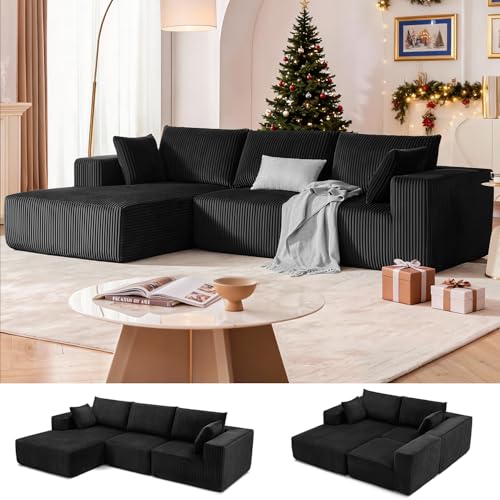
108” Modular Sectional Sofa, Cloud Sectional Couch with Deep Seat, Modern Modular L-Shape Sofa Couch with Chaise,Upholstered Boneless Couches for Living Room Bedroom (Black, Left Facing Chaise)
Multiple Package: Multiple packages may arrive separately. If you have any questions about your cloud couch sectional or...
As an affiliate, we earn on qualifying purchases.

BedStory Medium Firm Queen Mattress, 14 Inch Hotel Collection Hybrid Mattresses –Targeted Lumbar & Shoulder Support for Back Pain Relief, Fiberglass-Free, CertiPUR-US Certified, 365-Night Trial
Breathable &Skin-Friendly Fabric -Bedstory 14 inch queen size mattresses has a high-end, skin-friendly and breathable knit fabric with...
As an affiliate, we earn on qualifying purchases.