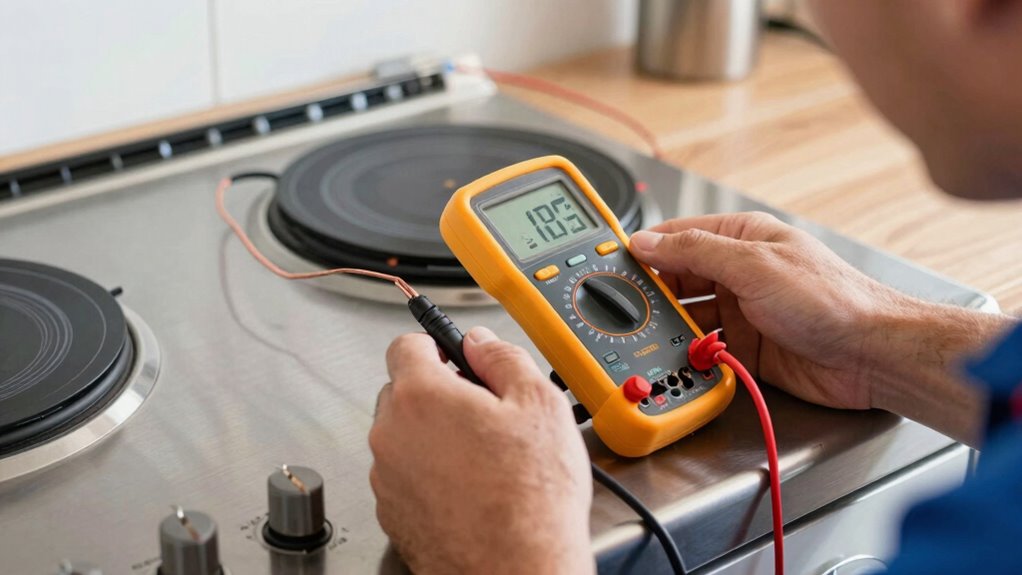
Before installing an induction range, you need to ensure your electrical system can support its power needs. Check that your outlet matches the range’s voltage and amperage requirements, typically 240 volts and 40 or 50 amps. Confirm your circuit breaker and wiring capacity are sufficient, and think about hiring a licensed electrician for a thorough assessment. Taking these steps properly will help prevent issues and ensure safe, effective operation—there’s more to consider if you keep going.

Get the little things that make your day delivered free with Prime
- Fast, free delivery on millions of items
- Prime Video, Amazon Music and more included
- Member-only deals all year
Key Takeaways
- Verify that your electrical panel can support a dedicated 40 or 50-amp circuit for the induction range.
- Ensure the outlet matches the appliance’s voltage requirement, usually 240 volts, before installation.
- Confirm existing wiring and circuit breaker capacity are sufficient or plan upgrades if necessary.
- Hire a licensed electrician to assess electrical compatibility and prevent safety hazards.
- Follow local electrical codes and manufacturer instructions to ensure proper grounding and ventilation.
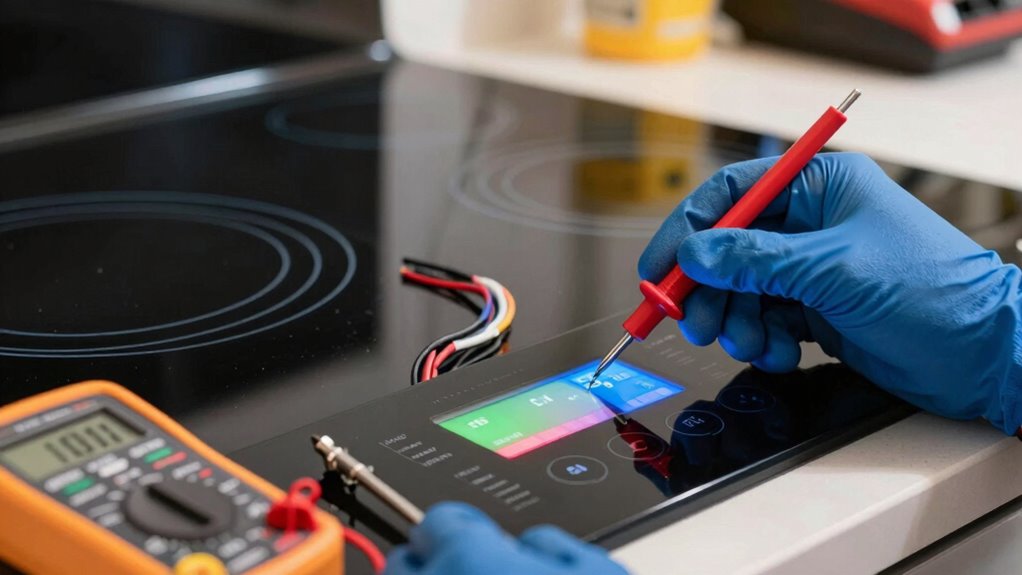
When considering an induction range for your kitchen, understanding the specific requirements is essential to guarantee proper installation and peak performance. One of the most critical aspects to evaluate is your home’s electrical system, particularly the power supply. Induction ranges typically demand a dedicated circuit with a specific amperage rating, often 40 or 50 amps, depending on the model. Confirming your electrical panel can support this load is crucial; otherwise, you risk tripping breakers or damaging your appliance. Before purchasing, verify your existing wiring and circuit breaker capacity, or consider hiring a licensed electrician to assess whether your current setup meets the range’s power supply requirements. Upgrading your electrical system might be necessary if it falls short of these specifications, and neglecting this step could lead to inefficient operation or safety hazards.
Along with the power supply, safety standards are equally important. An induction range must be installed in accordance with local electrical codes and manufacturer guidelines to prevent potential hazards. This involves using appropriate wiring materials, properly grounding the appliance, and ensuring all connections are secure. Safety standards also encompass the correct placement of the range within your kitchen, providing adequate clearance from combustible materials and ensuring proper ventilation. Adhering to these standards not only protects your home and loved ones but also ensures your warranty remains valid. Non-compliance could result in electrical faults, fire risks, or voided warranties, which can lead to costly repairs or replacements down the line.
It’s worth noting that some induction ranges come with specific power supply requirements, such as a dedicated 240-volt outlet. You need to confirm that your electrical outlets match these specifications before installation. Using the wrong outlet or insufficient power supply can cause operational issues, including inconsistent heating or complete failure to power on. Moreover, ensuring your electrical system complies with safety standards minimizes risks during use and maintenance, giving you peace of mind. Additionally, color accuracy in your home’s electrical and lighting setup can influence the overall safety and functionality of your appliance environment.
As an affiliate, we earn on qualifying purchases.
Frequently Asked Questions
Can Existing Wiring Support an Induction Range Installation?
You need to verify if your existing wiring can support an induction range installation by checking its power load capacity and wiring compatibility. If your current wiring isn’t rated for the high power load demanded by induction cooktops, you’ll face issues like tripped breakers or electrical hazards. It is crucial to consult a professional electrician to assess whether your wiring meets the necessary specifications or if upgrades are needed for safe operation.
What Are the Specific Circuit Breaker Requirements?
Think of your circuit breaker as the heart of your kitchen’s electrical system, crucial for safety. You need a dedicated circuit with a breaker capacity of at least 40-50 amps for your induction range. Make certain the wiring gauge matches this load—typically 6-gauge wire. This setup prevents overloads, keeping your appliances running smoothly and safely, like a well-orchestrated symphony.
Is a Dedicated Outlet Needed for Induction Ranges?
Yes, you need a dedicated outlet for your induction range. Make certain the power cord is compatible with the outlet placement, avoiding shared circuits to prevent overloads. A dedicated outlet helps maintain proper power flow and safety. Check that the outlet matches the required amperage and voltage specifications for your range. Proper installation ensures efficient operation and reduces the risk of electrical issues, making your cooking experience safe and reliable.
How Do I Verify My Home’s Electrical Capacity?
Think of verifying your home’s electrical capacity like testing a bridge before crossing it. You need to check if your power supply standards support your appliance compatibility. Start by locating your main breaker box and noting the amperage rating. If it’s 40-50 amps, your home likely supports an induction range. For certainty, consult a licensed electrician who can perform a detailed assessment and make sure your electrical system safely handles the load.
Are Special Outlets Required for Different Induction Models?
Yes, your induction range may need a special outlet, depending on the model. You should verify the power outlet compatibility and plug type specifications in the user manual. Some induction stoves require a dedicated, higher-voltage outlet, like a 240V, with specific plug types. Make sure your home’s electrical system can support these requirements before installation to ensure safe and proper operation.
Conclusion
Before installing an induction range, always perform the necessary electrical check to guarantee safety and proper functioning. For example, imagine you’re upgrading your kitchen and skip this step—your new range might not work correctly or could pose electrical hazards. By confirming your circuit can handle the load, you prevent costly mistakes and ensure everything runs smoothly. Taking this quick step safeguards your investment and keeps your home safe, making your cooking experience hassle-free.
Halloween Picks
halloween
As an affiliate, we earn on qualifying purchases.