Before starting your oven’s self-clean mode, make sure to remove all racks and loose items, and keep the area well-ventilated by opening windows or using an exhaust fan. Understand that the cycle heats up the oven to burn off food residues, producing smoke and strong odors. Never open the door during cleaning, and follow the manufacturer’s safety instructions carefully. Want to guarantee a safe, effective clean? Learn more about best practices and precautions to protect yourself.
Key Takeaways
- Ensure proper ventilation by opening windows or using an exhaust fan to handle smoke and odors during cleaning.
- Remove all oven racks and items before starting the self-clean cycle to prevent damage or fire hazards.
- Do not open the oven door during cleaning to avoid burns, damage, or disrupting the cycle.
- Follow the manufacturer’s instructions for your specific oven model to ensure safe operation.
- Use routine cleaning methods for maintenance and reserve self-clean mode for deep cleaning when necessary.

Oven self-clean mode offers a convenient way to eliminate grease and food residue without harsh scrubbing. It’s a popular feature designed to save you time and effort, but before you press that start button, it’s important to understand the safety considerations involved. Self clean safety isn’t just about avoiding burns; it also involves understanding how your oven operates during the cycle and the precautions you should take. When the oven heats up to extremely high temperatures, it burns off food residues, turning them into ash that can be easily wiped away afterward. However, this process can produce smoke and strong odors, which means proper ventilation is essential. Keep windows open or turn on your exhaust fan to prevent indoor air from becoming unpleasant or potentially irritating your lungs. Additionally, ensure that oven racks and any loose items are removed beforehand to prevent damage or fire hazards.
While the self-clean function is designed for ease, it’s wise to contemplate cleaning alternatives for routine maintenance. Regular wiping down after cooking, using a damp cloth and mild detergent, can reduce the buildup of grease and grime, making the self-clean cycle less intense and shorter. Some people prefer natural cleaning solutions like baking soda and vinegar, which can help break down surface residues without the need for high heat. These alternatives are safer for the environment, your family’s health, and your oven’s longevity. If you’re concerned about the fumes emitted during self-cleaning, you might opt for these simpler methods most of the time, reserving the self-clean feature for deep cleaning sessions only when necessary.
It’s also important to follow your appliance’s manufacturer instructions regarding self-clean safety. Different brands may have specific guidelines about when and how to use the feature, including warnings about oven door locks and the duration of the cycle. Never attempt to open the oven door while the cycle is in progress, as the high temperatures can cause burns or damage the door lock mechanism. If you notice smoke, an unusual smell, or any malfunction during the cycle, turn off the oven immediately and ventilate the area. In some cases, it’s better to opt for manual cleaning or professional service if your oven’s cleaning cycle isn’t functioning properly.
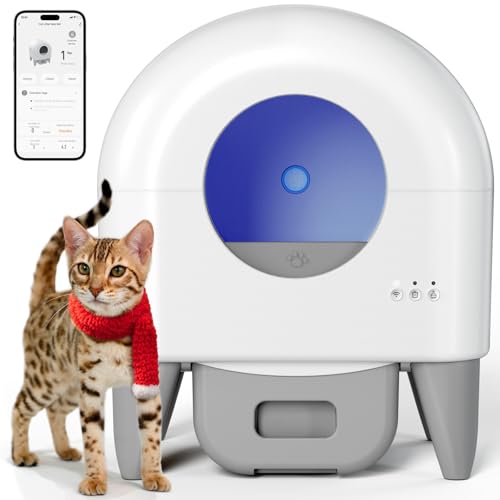
Fumoi Automatic Cat Litter Box Self Cleaning Litter Box Large Capacity for Multiple Cats, App Control with Safety Sensors, Removable Washable Liner,2 Rolls Garbage Bags,Grey
Advanced Safety Protection: Infrared motion sensors pause cleaning immediately upon detecting your cat’s presence; enhanced safety design prioritizes...
As an affiliate, we earn on qualifying purchases.
Frequently Asked Questions
How Long Does the Self-Clean Cycle Typically Take?
The self-clean cycle usually takes between 2 to 4 hours, depending on your oven’s model and the level of dirt. During this time, you should avoid opening the door to prevent safety hazards. Regular oven maintenance and cleaning frequency help reduce cycle time and guarantee effective cleaning. Remember to remove racks and clean them separately for better results. Always follow your oven’s manual for specific instructions.
Can I Use the Oven During the Cleaning Process?
You shouldn’t use the oven during the cleaning process, as it’s unsafe. Imagine the intense heat and fumes swirling inside—your oven safety is paramount. While the self-clean cycle runs, keep the kitchen ventilated and avoid opening the door. Use this time for cleaning tips like wiping down surfaces or checking your oven’s manual. Once it’s done, verify everything cools before opening, keeping safety your top priority.
Is It Safe to Leave the Kitchen While Cleaning Is Active?
You shouldn’t leave the kitchen while the oven’s self-clean mode is active. For kitchen safety, stay nearby to monitor the oven, as it heats up considerably and could produce smoke or fumes. Keeping an eye on the process ensures you can respond quickly to any issues, like sparks or unusual smells. Never leave the oven unattended during cleaning, and always follow your appliance’s safety instructions.
What Should I Do if the Oven Door Won’t Unlock After Cleaning?
Did you know that over 60% of oven lock issues happen because the door release mechanism jams? If your oven door won’t open after cleaning, don’t force it open. Wait at least 30 minutes for it to cool down and the lock to disengage naturally. If it still won’t open, check the manual’s troubleshooting section or contact a professional. Avoid forcing the door to prevent damage.
Are There Any Odors or Fumes During the Self-Clean Cycle?
During the self-clean cycle, you might notice odor emissions or fumes. To keep yourself safe, guarantee proper ventilation requirements are met by opening windows and turning on your exhaust fan. These fumes are typically harmless but can be unpleasant. If odors persist or fumes seem strong, stop the cycle and ventilate the area thoroughly. Always follow your oven’s instructions to minimize any risks associated with self-cleaning odors.

Self Cleaning Litter Box,Open Top Automatic Litter Box with App Control for Multiple Cats, Safety Sensors Protection, Odor Control Includes 2 roll Liners,Large Waste Bin, Cream White
Open-Top Comfort: Spacious Access for Happy Cats, Boasting a generous 16.5”×16.5” entrance—far roomier than cramped closed designs—this open-top...
As an affiliate, we earn on qualifying purchases.
Conclusion
Before hitting that self-clean button, consider this: some believe the intense heat might subtly weaken oven components over time, making it less reliable. While many swear by its convenience, it’s worth questioning if the process is truly harmless in the long run. So, next time you clean your oven, think twice—maybe manual cleaning is gentler on your appliance’s future. Curiosity might just save you from unexpected breakdowns down the road.

Mintakawa Automatic Cat Litter Box Self Cleaning - APP Control and Weight Monitoring - Ultra-Quiet, Suitable for Medium Cats and Kittens, Safe Anti-Pinch Litter Box (Assembly Required) - White
😸Ideal for small to medium cats: Designed to accommodate kittens and medium-sized cats, this litter box is suitable...
As an affiliate, we earn on qualifying purchases.
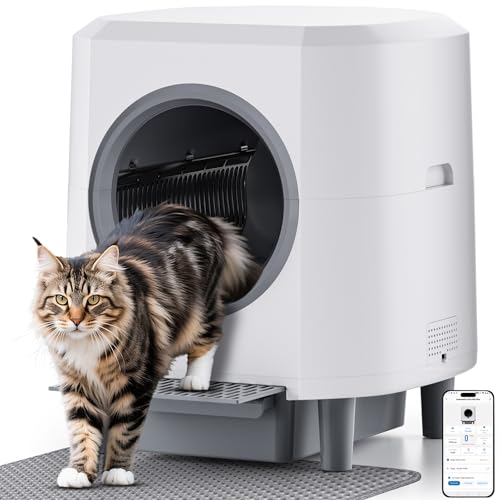
Automatic Litter Box, Self Cleaning Litter Box, Odor Control, 90L Large Capacity with APP Control and Safety Sensor, Ellenpent, for Multiple Cats, Large Cat, with 3 Rolls Garbage Bags
Self-Cleaning & No Scooping: Say goodbye to daily scooping! Our self-cleaning litter box activates within 2 minutes after...
As an affiliate, we earn on qualifying purchases.