To keep your pool pristine, create a balanced cleaning schedule that combines automatic and manual tasks. Run your automatic cleaner regularly to handle bulk debris, while manually skimming, brushing, and testing water chemistry weekly for thorough maintenance. Always check and maintain filters and equipment, and follow safety precautions. Staying consistent with both methods guarantees clear, safe water and prolongs your equipment’s life. Keep going to discover more tips for a spotless, healthy pool.
Key Takeaways
- Establish a weekly routine combining automatic cleaner operation with manual tasks like brushing and water testing.
- Schedule automatic cleaners daily or every other day based on debris levels and pool usage.
- Perform manual brushing and chemical balancing weekly to address algae, dirt, and water quality.
- Regularly inspect and maintain filters, brushes, and equipment to ensure optimal automatic cleaner performance.
- Incorporate safety precautions during cleaning, including turning off electrical devices and handling chemicals properly.

Maintaining a clean pool requires establishing a regular cleaning schedule that keeps the water clear and safe for swimming. When it comes to pool maintenance, developing a routine that balances automatic and manual cleaning methods is essential. Automatic pool cleaners, like robotic vacuums and pressure-side cleaners, can handle the bulk of debris removal with minimal effort. They save you time and ensure consistent cleaning, but they shouldn’t replace manual tasks entirely. Manual cleaning, including skimming, brushing, and testing water chemistry, remains crucial for thorough maintenance. Combining both approaches guarantees a safer, healthier swimming environment.
Start by setting a weekly schedule for manual tasks. Skimming the surface with a net removes leaves, bugs, and other floating debris that automatic cleaners might miss. Doing this regularly prevents debris buildup, which can clog filters or decay in the water, leading to algae growth or cloudy water. Brushing the pool walls and floor ensures algae and dirt don’t cling to surfaces, especially in hard-to-reach corners. These manual tasks not only improve the pool’s appearance but also contribute to overall water quality. During these sessions, test the water’s pH, alkalinity, and chlorine levels. Proper water chemistry is vital for safety precautions, protecting swimmers from irritation and preventing bacterial growth. Proper chemical balance is essential for maintaining a healthy swimming environment and preventing issues like algae blooms. Regular testing and adjustments help maintain the optimal water chemistry, reducing chemical costs and improving water clarity. Additionally, understanding pool chemistry can help troubleshoot common water issues more effectively.
Automatic cleaners can be scheduled to run daily or every other day, depending on usage and debris levels. These devices efficiently pick up dirt and smaller particles, reducing the workload on manual cleaning. Make sure to regularly inspect and maintain your automatic cleaner—clean filters, check brushes, and replace parts as needed. This ensures they function optimally, saving you money and extending their lifespan. Regular maintenance of your automatic cleaner is key to sustained performance and efficiency. Advances in automation technology can further improve the effectiveness and ease of pool maintenance routines. While these cleaners are excellent for routine debris removal, they don’t replace the need for manual brushing or chemical balancing. Manual interventions are necessary to address specific issues like algae or stubborn dirt buildup that automatic cleaners might miss.
In addition to routine cleaning, always adhere to safety precautions. Turn off electrical equipment before cleaning or inspecting to prevent accidents. Use proper protective gear when handling chemicals, and store chemicals safely out of reach of children and pets. Regularly check pool equipment, including filters and pumps, to ensure everything operates correctly, preventing potential hazards. Establishing a consistent pool cleaning schedule that blends automatic and manual tasks helps you maintain a safe, inviting pool. Staying proactive in your pool maintenance routines not only prolongs the lifespan of your equipment but also provides peace of mind, knowing your water is always clean and safe for swimmers.
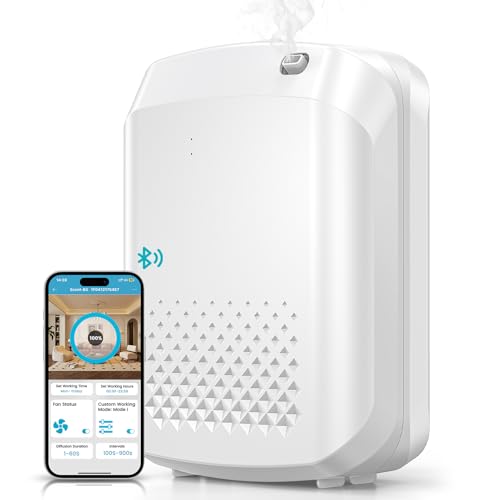
XEITIN Waterless Essential Oil Diffuser 3000 Sq.Ft Coverage for Large Home Hotel Office, 400ml Cold Air Scent Machine, Bluetooth App Control, No-Noise Aroma Diffuser Wall Mount Gift for Mom for Her
Waterless Cold Air Diffusion – No Humidity, Pure Relaxation. Enjoy long-lasting fragrance with our waterless essential oil diffuser....
As an affiliate, we earn on qualifying purchases.
Frequently Asked Questions
How Often Should I Replace My Pool’S Automatic Cleaner Parts?
You should replace your pool’s automatic cleaner parts based on part replacement intervals recommended by the manufacturer and your filter maintenance routine. Typically, brushes and seals need replacement every 6 to 12 months, while filters should be cleaned regularly and replaced annually. Regularly check for wear and tear, and don’t wait until parts fail. Staying on top of these replacements keeps your cleaner functioning efficiently and extends its lifespan.
Can Manual Cleaning Damage My Pool’S Surface or Equipment?
Oh, manual cleaning can’t possibly cause pool surface damage or equipment wear, right? Think again! Scrubbing too hard or using improper tools might scratch or etch your pool surface, and vigorous brushing can strain equipment. So, while manual cleaning is essential, it’s crucial to be gentle and use the right techniques. Otherwise, you risk damaging your pool’s surface or accelerating equipment wear—ironically, the very thing meant to keep it pristine.
What Are Signs That My Automatic Cleaner Needs Repairs?
If your automatic cleaner isn’t working properly, you might notice uneven cleaning, strange noises, or it gets stuck frequently. These signs suggest it needs repairs. Also, if algae growth increases despite cleaning, it may indicate the cleaner isn’t maintaining the pool’s chemical balance effectively. Regularly check your cleaner’s brushes and suction, and address issues promptly to keep your pool sparkling and algae-free.
How Do Weather Changes Affect My Pool Cleaning Schedule?
Weather changes can really impact your pool cleaning schedule. Seasonal maintenance becomes essential as storms or heavy rain can introduce debris and disturb chemical balance. You might need to clean your pool more frequently or adjust your automatic cleaner’s settings. Keep an eye on the weather, and regularly check your chemical levels to guarantee your pool remains clean and safe despite changing conditions. Proper maintenance helps prevent issues caused by weather fluctuations.
Is There a Recommended Balance Between Automatic and Manual Cleaning?
Your pool deserves the best, and finding the perfect balance between automatic vs manual cleaning can feel like mastering a superpower. Aim for a routine that includes automatic cleaning for daily maintenance, like skimming and filtering, while manual cleaning tackles deep scrubbing and stains weekly. Adjust cleaning frequency based on weather and usage to keep your pool pristine without overdoing it. This way, you’ll enjoy crystal-clear water effortlessly.

Waterless Essential Oil Diffuser, Portable Aromatherapy Diffuser with 20mL Capacity, Battery Operated Mini Scent Diffuser,3 Mist Levels & Timers, Leak-Free, for Home, Car, Office (Black)
【Waterless Essential Oil Diffuser for Pure Aroma】Our advanced waterless diffuser technology transforms your favorite essential oils into a...
As an affiliate, we earn on qualifying purchases.
Conclusion
By following this balanced approach, you gently invite your pool to stay pristine and inviting, like a calm lake reflecting the sky. With a mindful routine, you’ll nurture its natural beauty, ensuring every swim feels like a revitalizing escape. Embrace the rhythm of automatic ease and manual care, and watch your pool become a tranquil oasis where worries drift away effortlessly. Your dedication transforms it into a serene retreat, always ready to welcome you home.

Cocorrína Reed Diffuser Set, Clean Linen 6.7 fl oz Scented Diffuser with Sticks Home Fragrance Reed Diffuser for Bathroom Shelf Decor
Fresh scent Clean Linen : Keep it clean with air. Crafted with notes of Crisp Air, Fresh Laundry...
As an affiliate, we earn on qualifying purchases.
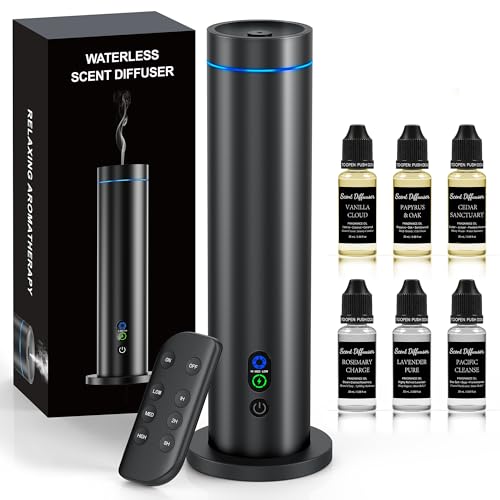
Waterless Diffuser, 1000 Sq.Ft Coverage, Essential Oil Diffuser– Plug-in Only, Remote Control, Adjustable Mist Mode, Mood Lights Aromatherapy Diffuser for Home, Large Room, Office, Hotel, Black
【Pure Waterless Diffusion– Plug-In Only】Experience a refined way to scent your space with waterless cold-air diffusion. This advanced...
As an affiliate, we earn on qualifying purchases.