A whole-house air purifier can improve indoor air quality by trapping dust, pollen, and pet dander, but it won’t eliminate all allergens, chemicals, or smoke. Its effectiveness depends on your HVAC system’s size, maintenance, and airflow. Poorly maintained filters or design flaws can limit results. For best outcomes, combine purifiers with good ventilation and source control. Want to understand what your system can realistically achieve? Keep exploring how to optimize your indoor air quality.
Key Takeaways
- Whole-house purifiers trap dust, pollen, and pet dander but have limited effectiveness against microscopic allergens and chemical vapors.
- HVAC system size, filter maintenance, and duct design significantly influence filtration performance.
- Proper system maintenance and additional measures like ventilation and source control are essential for optimal air quality.
- Purifiers are not substitutes for good ventilation or eliminating pollution sources within the home.
- Realistic expectations and a comprehensive approach improve indoor air quality outcomes.
Have you ever wondered if a whole-house air purifier truly delivers on its promises? It’s a common question, especially when you’re investing in a system that claims to improve your indoor air quality. The truth is, a whole-house air purifier can be effective, but it’s not a magic bullet. Its effectiveness depends on several factors, including your HVAC system’s capabilities and the types of pollutants you’re trying to eliminate. While these systems can considerably reduce airborne particles, they aren’t equipped to handle everything on their own.
One thing to understand is that the air purifier effectiveness is often overstated. Many systems are designed to trap dust, pollen, pet dander, and some bacteria, but they won’t remove every microscopic allergen or chemical vapor in your home. If you’re dealing with smoke, VOCs from cleaning products, or volatile organic compounds, a standard whole-house purifier might fall short. That’s because HVAC system limitations mean that some pollutants bypass filtration altogether or aren’t captured effectively. For example, if your system isn’t rated for high-efficiency filtration or lacks proper maintenance, its ability to clean your air diminishes.
Whole-house purifiers often overlook smoke, VOCs, and microscopic allergens due to HVAC limitations and maintenance issues.
Another critical point is that the HVAC system’s capacity plays a role in how well your air purifier works. If your system isn’t properly sized for your home, or if your filters are clogged, your air quality won’t improve as much as you hope. A larger home or one with multiple levels may require more robust filtration solutions or additional units. Without these adjustments, your HVAC system might simply circulate unfiltered air or pull in outdoor pollutants that the purifier can’t fully neutralize. Plus, if your system runs infrequently or isn’t well-maintained, the purifier’s potential to improve air quality is compromised. Additionally, HVAC system performance can be affected by factors such as ductwork design and airflow, which influence how effectively pollutants are removed. Regular maintenance and adequate airflow are essential for optimizing the system’s overall performance. Moreover, understanding the limitations of filtration technology helps set realistic expectations and avoid disappointment. It’s also beneficial to consider how filter lifespan impacts the overall efficiency of your air purification system, as worn or dirty filters can significantly reduce performance.
It’s also worth noting that whole-house air purifiers aren’t a substitute for good ventilation or source control. You still need to regularly clean, eliminate mold, manage humidity, and reduce sources of indoor pollution. Relying solely on an air purifier can give a false sense of security. To truly enhance your indoor environment, combine your system with other air quality measures. Understand its limitations, and don’t expect it to do all the work. Properly filtering indoor air is just one part of a comprehensive indoor air quality strategy. With realistic expectations, you’ll be better equipped to decide whether a whole-house purifier is right for you, and how to optimize its performance within your home’s specific HVAC setup.
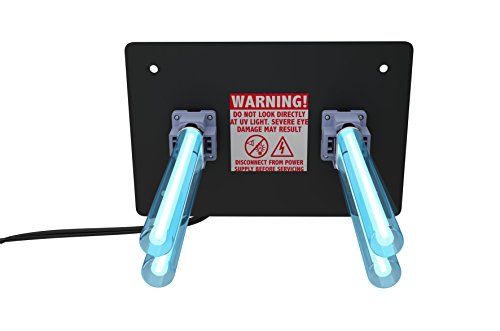
REKO Lighting R2000 Air Purifier Whole House Uv uvc Light in Duct for HVAC Ac (Air Conditioning) Duct
UV-C light system – Bulbs are made in Europe!
As an affiliate, we earn on qualifying purchases.
As an affiliate, we earn on qualifying purchases.
Frequently Asked Questions
How Often Should I Replace the Filters in My Whole-House Purifier?
You should replace your whole-house purifier filters every 3 to 6 months, depending on filter maintenance and your home’s air quality. Regular replacement frequency helps guarantee peak performance and clean air. If you notice reduced airflow or increased dust, it’s a sign to change filters sooner. Keep an eye on manufacturer recommendations and your home’s specific needs to maintain efficient operation and indoor air quality.
Do Air Purifiers Eliminate All Types of Indoor Pollutants?
Air purifiers don’t eliminate all indoor pollutants, but they do reduce many. They’re effective at capturing dust particles, allergens, and some chemical pollutants, improving air quality. However, they might not fully remove gases like VOCs or odors, especially if not equipped with activated carbon filters. You should use them alongside other ventilation methods for thorough pollution control, ensuring cleaner, healthier indoor air for you and your family.
Can a Whole-House Purifier Remove Odors Effectively?
A whole-house purifier is like a detective, hunting down odors to eliminate them. It can markedly improve your air quality and remove many common odors, especially if it features activated carbon filters. However, it may not eliminate all stubborn smells, like pet urine or cooking fumes, completely. For ideal odor elimination, combine it with proper ventilation and regular cleaning to guarantee your indoor air stays fresh and clean.
Is Professional Installation Necessary for a Whole-House Air Purifier?
Yes, professional installation is necessary for a whole-house air purifier. You need to take installation considerations into account carefully, ensuring the system is correctly integrated with your existing HVAC setup. A professional installer evaluates system compatibility, making sure the purifier functions efficiently without causing system strain. Proper installation guarantees ideal air cleaning, reduces potential issues, and maintains your HVAC system’s longevity, giving you peace of mind.
How Does Humidity Affect Air Purifier Performance?
You might think high humidity hampers air purifier efficiency, but the truth is, ideal humidity levels actually help them work better. When humidity is too low, airborne particles become more airborne, making purifiers work harder. Too high, and mold or bacteria can thrive, overwhelming filters. Maintaining balanced humidity levels between 40-60% ensures your air purifier performs at its best, effectively reducing pollutants and improving indoor air quality.
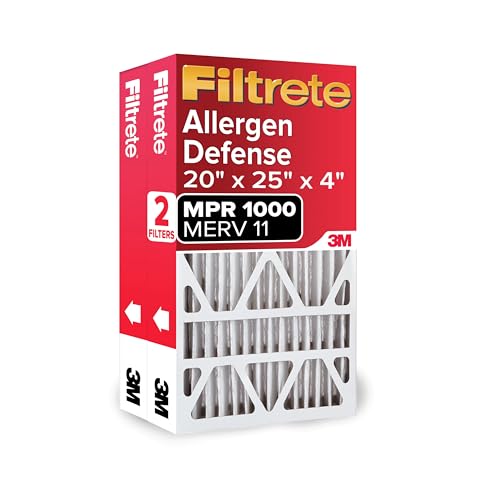
Filtrete 20x25x4 Air Filter MERV 11, MPR 1000 Micro Allergen Defense 2-Pack, Fits Honeywell & AprilAire, AC Furnace HVAC Filters for Home, Pleated Electrostatic (Actual Size 19.88 x 24.63 x 4.31 in)
DIFFERENT FROM NOMINAL SIZE: Slightly different from the nominal size, this air filter’s exact dimensions are 19.88 in…
As an affiliate, we earn on qualifying purchases.
As an affiliate, we earn on qualifying purchases.
Conclusion
Think of a whole-house air purifier like a trusty shield, but not a magic wand. It can considerably improve your indoor air quality, removing many pollutants and allergens. However, it’s not a guarantee against every airborne threat. To truly breathe easy, combine it with good ventilation, regular maintenance, and other healthy habits. Remember, it’s a powerful tool, but just one part of an all-encompassing approach to a healthier home—like a strong sword in your wellness arsenal.

KNKA Air Purifier for Home Bedroom Large Room Up to 1,695 Ft² in 1 Hr, HEPA Air Cleaner with Washable Pre-Filter, AQI Display, ECO Mode, Sleep Mode, Pet Mode for Pets, Dust, Pollen, APH4000
𝐇𝐢𝐠𝐡 𝐂𝐀𝐃𝐑 𝐕𝐚𝐥𝐮𝐞: This air purifier provides reliable performance with a Smoke/Dust/PM2.5 CADR of 226 CFM (384 m³/h)…
As an affiliate, we earn on qualifying purchases.
As an affiliate, we earn on qualifying purchases.

Air Purifiers for Home with H13 Quiet HEPA Filter Up to 1076 Ft² for Pet Hair, Odors, Pollen, Smoke, Compact Air Cleaner with 3 Speeds, Timer, Aroma Quiet 360°Intake Filter, White
Effortless Operation: Simplified control panel with intuitive design makes it easy to operate. No complicated setup—just one tap,…
As an affiliate, we earn on qualifying purchases.
As an affiliate, we earn on qualifying purchases.