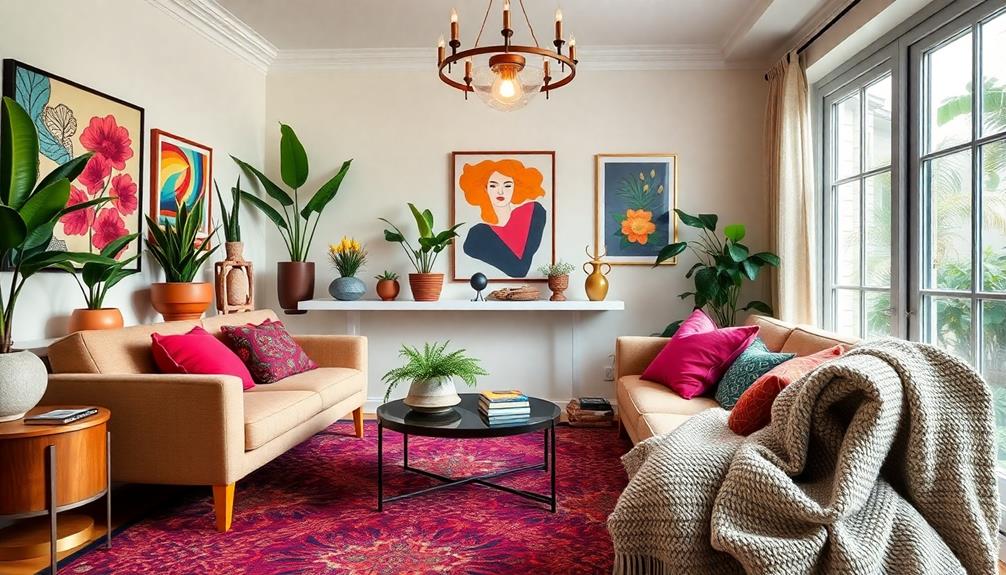
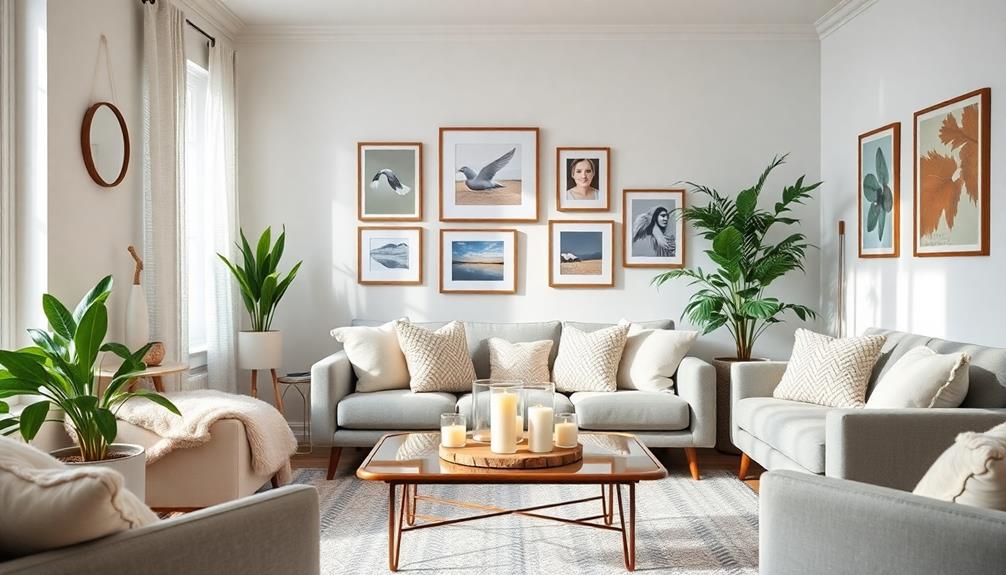
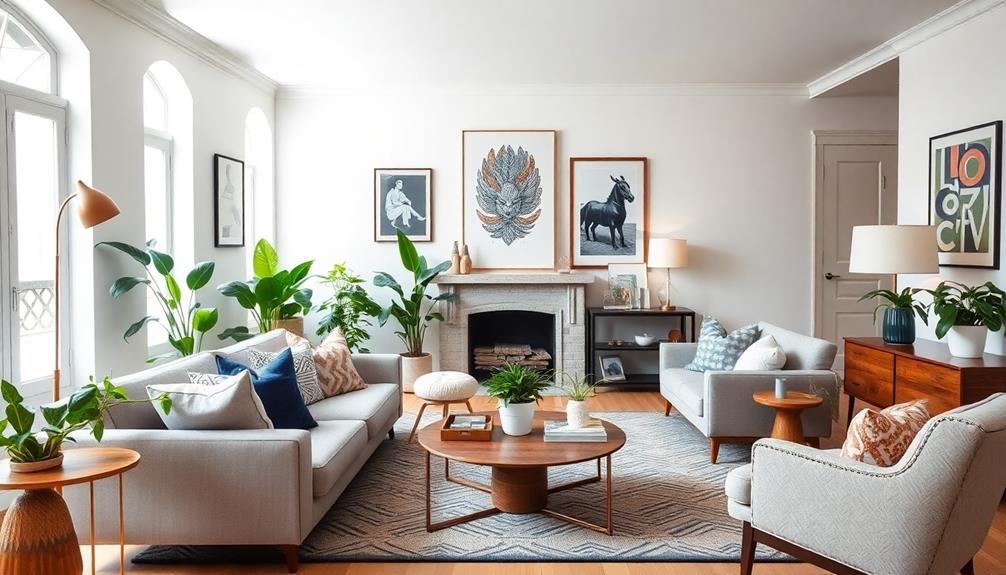
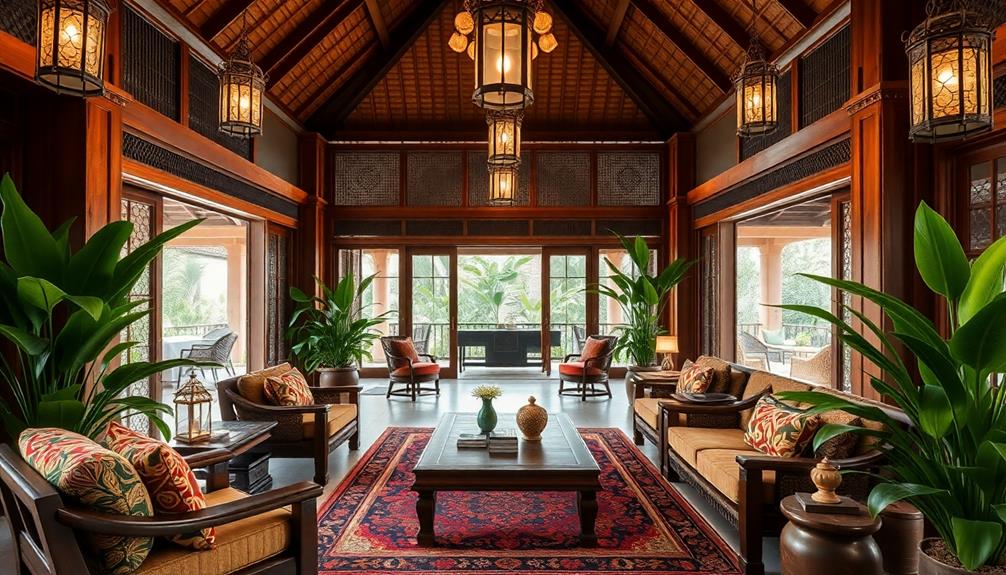
If you want your bedroom to feel calming, choose cool and neutral tones like soft blues and gentle greens, which promote tranquility and relaxation. To create a cozy vibe, warm shades such as deep reds and earthy browns work well, fostering comfort and intimacy. Balancing these colors carefully guarantees your space feels inviting rather than overwhelming. If you’re curious about how to use color psychology effectively, exploring these ideas further will give you useful insights.

Get the little things that make your day delivered free with Prime
- Fast, free delivery on millions of items
- Prime Video, Amazon Music and more included
- Member-only deals all year
Key Takeaways
- Calm bedrooms typically feature cool, neutral shades like blues and grays to promote tranquility and relaxation.
- Cozy spaces utilize warm, rich tones like reds and browns to create a sense of comfort and intimacy.
- Color psychology suggests cool hues quiet the mind, aiding sleep, while warm tones foster feelings of security and coziness.
- Achieving balance through harmonious color palettes enhances the intended calm or cozy atmosphere.
- Incorporating natural-inspired colors and simple decor supports the desired mood of relaxation or comfort.

Your bedroom color can considerably influence your mood and overall well-being, often without you even realizing it. The shades you choose set the tone for your personal sanctuary, affecting how relaxed, energized, or peaceful you feel throughout the day. When you opt for calming hues like soft blues or gentle greens, you’re promoting mood enhancement by creating an environment that encourages tranquility and restfulness. These colors help quiet your mind after a hectic day, making it easier to unwind and fall asleep. On the other hand, warmer tones such as deep reds or rich browns can foster a cozy atmosphere that invites comfort and intimacy. While these hues are excellent for creating a snug space, they also need careful color coordination to prevent the room from feeling overwhelming or oppressive.
Color coordination plays a vital role in balancing the overall mood you want to establish. If your goal is to cultivate a sense of calm, stick with a cohesive palette of cool or neutral shades. Combining light gray walls with white accents or muted teal bedding can enhance that serene vibe. When your colors complement each other harmoniously, it amplifies the mood enhancement you’re aiming for, making the room feel more spacious and inviting. Additionally, understanding color psychology can help you select hues that effectively evoke your desired emotions and mood. Incorporating nature-inspired colors, such as earthy greens or soft browns, can further strengthen that connection to the natural world and promote well-being. Recognizing the impact of color harmony can guide you in creating a balanced and visually pleasing environment. Conversely, if you prefer a cozy, warm environment, consider layering different shades of reds, oranges, or earthy tones, but make sure they’re well coordinated. Too many contrasting or clashing colors can detract from the cozy effect, creating visual chaos rather than comfort.
Understanding how different colors influence your emotions allows you to tailor your bedroom to suit your needs. For a calm retreat, choose shades that promote relaxation, and balance them with simple, uncluttered decor to maintain that peaceful ambiance. If coziness is your priority, focus on warm, rich tones that make you feel embraced and secure, but keep the overall palette consistent to avoid visual clutter. Incorporating biodiversity-friendly colors inspired by nature can enhance that connection to the environment and support your mental well-being. It’s also helpful to consider color contrast to ensure your space remains harmonious and visually appealing. Remember, your color choices aren’t just about aesthetics—they’re tools for mood enhancement. When you thoughtfully coordinate colors, you craft an environment that supports your mental and emotional well-being, turning your bedroom into a true sanctuary where you can unwind, recharge, and feel entirely at ease.
As an affiliate, we earn on qualifying purchases.
Frequently Asked Questions
How Do Different Lighting Conditions Affect Bedroom Color Perception?
Different lighting conditions profoundly influence how you perceive your bedroom colors. Natural light enhances brightness and reveals true hues, making colors look more vibrant and airy. In contrast, artificial lighting, especially warm bulbs, creates a cozy, inviting atmosphere by softening colors and adding warmth. You should consider both lighting types when choosing your bedroom colors, as they can dramatically change the mood and perception of your space throughout the day and night.
Can Color Choices Influence Sleep Quality Beyond Mood?
Yes, your color choices can influence sleep quality beyond just mood. Through color therapy, calming hues like soft blues and gentle greens promote relaxation, aiding sleep. Cozy, warm tones can make your bedroom feel inviting, reducing stress and enhancing sleep quality. Choosing the right colors intentionally creates an environment conducive to sleep, making your bedroom a true sanctuary for rest and recovery.
Are There Cultural Differences in Color Psychology for Bedrooms?
Think of bedroom colors as a global language with regional dialects. Yes, cultural symbolism and regional preferences shape how colors influence your space. In some cultures, red symbolizes luck and passion, while in others, it might evoke danger. Understanding these differences helps you choose colors that resonate personally and culturally, making your bedroom a sanctuary that feels just right, regardless of where you’re from.
How Do Personal Experiences Alter Color Psychology Effects?
Your personal experiences profoundly influence how color psychology affects you. Personal associations, like memories or emotions linked to certain colors, shape your preferences and perceptions. For example, if a color reminds you of a happy moment, it may make you feel more relaxed or cozy. Conversely, negative experiences with a color can diminish its calming effect. Ultimately, your individual preferences and personal associations tailor the impact of bedroom colors on your mood.
What Are the Best Color Combinations for a Balanced Bedroom Atmosphere?
Think of your bedroom as a symphony — the perfect harmony of colors creates balance. You’ll find that complementary color schemes, like blue and orange, energize and refresh your space, while monochromatic palettes, such as shades of gray, bring calm and cohesion. Combining these thoughtfully balances vibrancy with serenity, turning your bedroom into a sanctuary where both relaxation and essentiality coexist seamlessly.
Conclusion
Choosing the right bedroom color is like tuning an instrument—you want harmony to create the perfect mood. Imagine walking into a room painted in calming blues after a hectic day; it’s like a gentle wave washing over you. According to color psychology studies, your choice can markedly impact your mood and sleep quality. So, pick colors that resonate with your desired vibe—whether calm or cozy—and let your bedroom become your personal sanctuary.
Halloween Picks
halloween
As an affiliate, we earn on qualifying purchases.