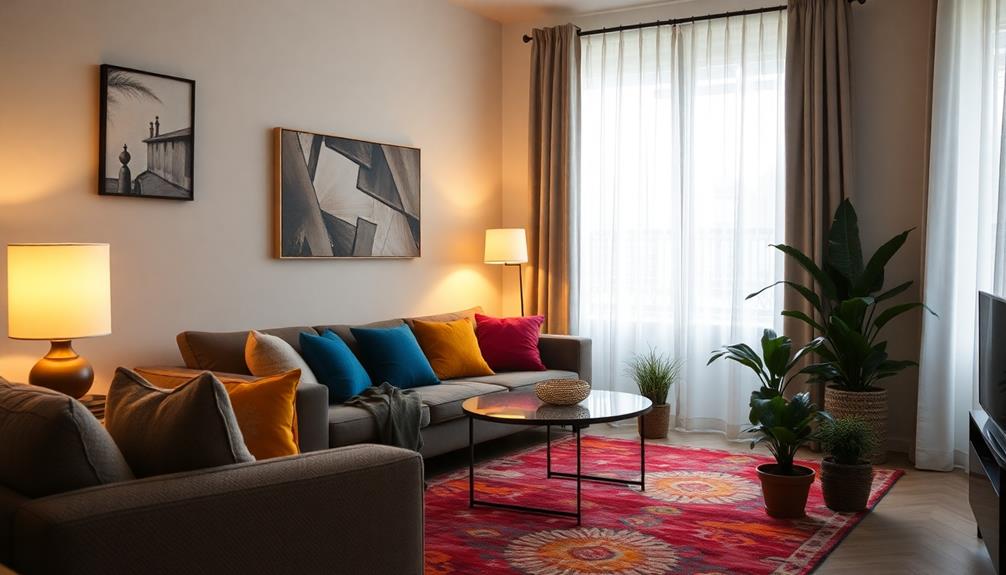
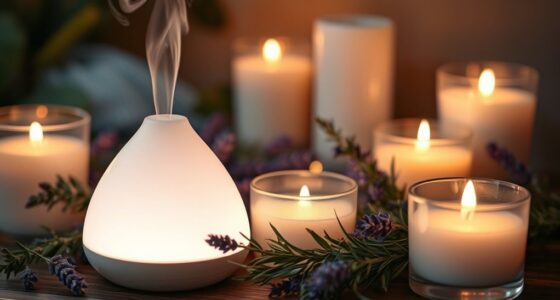
To zone your open-concept space with rugs and lighting, start by placing rugs under furniture to define different areas like the living and dining zones. Use layered lighting—overhead, task, and accent lights—to highlight each space and create a cozy atmosphere. Combining these elements helps you balance openness with functionality, making your home inviting and easy to navigate. Keep exploring to discover how these tips can transform your living environment even more.
Key Takeaways
- Use area rugs to visually define and anchor different zones within an open-concept space.
- Incorporate layered lighting, including task, ambient, and accent lights, to create distinct zones and moods.
- Place rugs under furniture to signal specific areas like seating or dining, enhancing navigation and comfort.
- Combine lighting and rugs strategically to balance openness with functional boundaries.
- Adjust lighting intensity and rug placement to support various activities and foster a versatile, inviting environment.

Open-concept living has become a popular design trend that emphasizes spaciousness and flow between different areas of your home. While it creates an open, airy feel, it can also make it challenging to define specific spaces. That’s where strategic use of area rugs and lighting zones comes in. These elements allow you to create visual and functional boundaries without sacrificing the seamless flow you desire.
Start by selecting area rugs that anchor each zone within your open layout. For example, place a rug under your sofa and coffee table in the living area to establish it as a cozy, dedicated space. Choose rugs that complement your overall decor, but also vary in size and texture to help differentiate zones. A larger, plush rug can add warmth and softness to your sitting area, while a smaller, patterned rug might define a reading nook or dining spot. By doing this, you subtly signal where one area ends and another begins, making your space more navigable and inviting.
Lighting zones are equally important for zoning your open-concept home. Instead of relying solely on a single overhead fixture, incorporate layered lighting to create distinct atmospheres in different areas. Use recessed lights or track lighting to evenly illuminate the entire space, then add task lighting like floor lamps, table lamps, or pendant lights over specific zones. For example, a pendant light over the dining table clearly marks that area for meals, while a floor lamp beside a reading chair signals a cozy corner for relaxation. Dimming switches are a game-changer here, letting you adjust the ambiance based on the activity or time of day.
The beauty of combining area rugs with lighting zones is that you can customize the flow to suit your lifestyle. During gatherings, you might brighten certain zones to encourage interaction, while in the evening, dimming the lights and shifting focus to a particular rug-defined area can create a more intimate atmosphere. This approach doesn’t just visually divide your space; it also enhances functionality and comfort.
Additionally, incorporating lighting layers can further enhance the definition of each zone and support different activities in your open-concept layout. Ultimately, zoning in an open-concept living space is about balancing openness with definition. Area rugs and lighting zones work together to help you carve out purpose-built areas while maintaining the spacious feel you love. With thoughtful placement and layering, you’ll enjoy a home that feels both expansive and well-organized, making your daily routines more enjoyable and your space more versatile.

InnoGear Aromatherapy Diffuser & 10 Essential Oils Set, 400ml Diffuser Ultrasonic Diffuser Cool Mist Humidifier with 4 Timers 7 Colors Light Waterless Auto Off for Valentine's Gift, Dark Wood Grain
Reminder: To ensure proper mist function, please do not refill under tap (use measuring cup only to prevent...
As an affiliate, we earn on qualifying purchases.
Frequently Asked Questions
How Do I Choose the Right Rug Size for My Open Space?
To choose the right rug size for your open space, start with your area measurement and consider how you want to define each zone. For rug placement, make certain the rug is large enough to anchor furniture, such as sofas and coffee tables, with enough space around edges. Typically, a rug should fit under the front legs of furniture to create a cohesive look while maintaining balance in your open layout.
What Lighting Options Best Define Different Zones?
Imagine you’re defining your living and dining zones; ambient lighting like pendant lights creates a warm, inviting atmosphere. For task lighting, add focused options like under-cabinet lights or reading lamps, helping you see clearly in specific areas. Using different lighting types, you clearly distinguish each zone, making your open space functional and cozy. Combining ambient and task lighting guarantees each zone serves its purpose while enhancing overall ambiance.
Can Rugs Improve Acoustics in an Open-Concept Area?
Yes, rugs improve acoustics in an open-concept area by absorbing sound, reducing echoes, and creating a more comfortable environment. They help dampen noise from footsteps and conversations, making each zone more private and cozy. Additionally, rugs add aesthetic enhancement, tying together different spaces visually. By choosing rugs with sound-absorbing materials and textures, you can effectively zone your open living area while enhancing its overall look and feel.
How Do I Prevent Rugs From Slipping in Open Spaces?
Did you know that using non-slip rug pads can reduce accidents by up to 80%? To prevent rugs from slipping in open spaces, you should invest in quality non-slip rug pads or rug grip solutions. These products create friction between the rug and the floor, keeping it secure. Make sure the pad fits your rug’s size and type for maximum effectiveness and safety, especially in high-traffic areas.
What Colors and Patterns Work Best for Zoning?
You should choose colors that complement your existing decor for effective zoning. Light, neutral shades work well for creating a calm, open feel, while bold colors define specific areas. Mix patterns carefully—pairing subtle stripes with geometric shapes adds visual interest without overwhelming. Use color coordination to unify the space, and incorporate varied patterns to distinguish zones, making your open-concept layout both functional and stylish.

InnoGear Essential Oil Diffuser, Ultrasonic Diffusers for Home Aromatherapy Humidifier for Bedroom Room 7 Colors LED 2 Mist Mode Auto Off, Basic White
Trusted Brand with Quality Assurance: At InnoGear, we don't just promise quality, we assure it. As a leading...
As an affiliate, we earn on qualifying purchases.
Conclusion
As you step into your open-concept space, the gentle glow of strategically placed rugs and light creates cozy zones within the vastness. Like soft brushstrokes on a canvas, these elements define your areas without walls, inviting warmth and connection. Embrace the harmony of flowing spaces, where each detail guides your journey through comfort and style. In this seamless blend, your home becomes a sanctuary—alive with possibility, forever open and inviting.

Essential Oil Diffuser, 100ml Aromatherapy Diffuser, Mini Ultrasonic Diffuser for Essential Oil, Home, Office, Cool Mist Humidifier with 7 Led Light, Auto Shut-Off, White
Compact Aroma Hub: This 3.54" x 5.91" essential oil diffuser fits seamlessly into any space - home or...
As an affiliate, we earn on qualifying purchases.
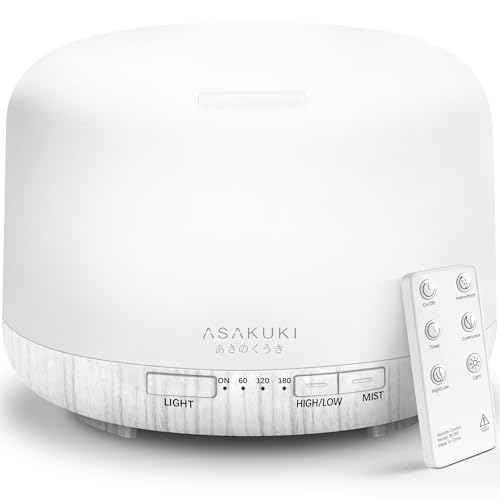
ASAKUKI Essential Oil Diffuser for Home, 500ML Aromatherapy Diffuser Humidifier with Remote Control, 7 Color LED Lights, Quiet Cool Mist Diffuser for Bedroom, Living Room, Office (White)
Up to 18Hrs of Continuous Aroma: The 500ml large-capacity tank takes the hassle out of frequent refills. Experience...
As an affiliate, we earn on qualifying purchases.