

To bring up therapy without starting a fight, choose a calm moment and speak honestly about your desire for personal growth and stronger relationships. Use “I” statements and focus on positive changes rather than blame. Reassure your partner that therapy isn’t about fixing faults but improving understanding. Stay patient and listen to their concerns. If you want to learn more about approaching the topic smoothly, keep exploring strategies that foster openness and trust.
Key Takeaways
- Choose a calm, stress-free moment when both are emotionally receptive for the conversation.
- Frame therapy as a personal growth tool, emphasizing positive change and relationship strengthening.
- Share your feelings honestly using “I” statements to foster openness and reduce defensiveness.
- Reassure that therapy is about self-improvement, not blame, and highlight shared goals for better understanding.
- Practice active listening and patience, creating a safe space for your partner to process and respond.
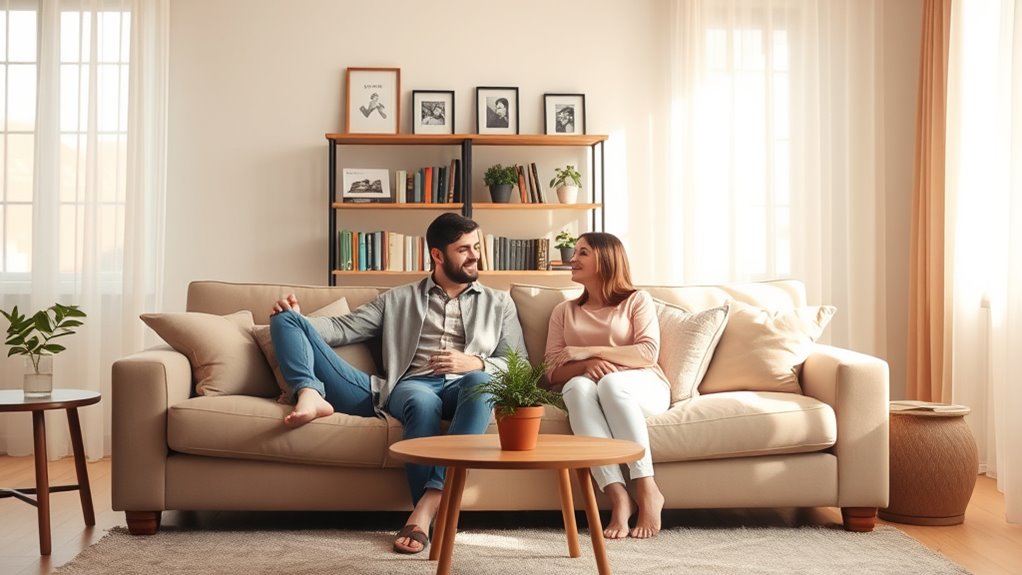
Have you ever wondered how to bring up therapy without feeling awkward or judged? It’s a common concern, especially if you’re worried about how your partner or loved ones might react. The key is to approach the conversation with emotional openness and a focus on effective communication. When you’re honest about your feelings and intentions, it helps set a constructive tone that encourages understanding rather than defensiveness.
Start by choosing a good moment when both of you are calm and receptive. You want to avoid bringing it up during a heated argument or when either of you is distracted. When you do speak, be clear about your reasons for wanting to explore therapy. You might say something like, “I’ve been thinking a lot about how I can better understand myself and improve our relationship, and I believe talking to a therapist could really help.” Framing it as a personal growth step rather than a critique of your partner or the relationship makes it easier for them to see it as a positive move.
Choose a calm moment to share your reasons for exploring therapy as a step toward growth.
It’s important to emphasize emotional openness during this conversation. Sharing your vulnerability can make the topic less intimidating and more relatable. Explain that therapy isn’t about blaming anyone but about gaining insights and tools to be a better partner, friend, or family member. When you openly discuss your feelings, it encourages your partner to do the same, fostering a sense of shared understanding. This approach creates a safe space for dialogue and reduces the chance of misunderstandings or feelings of rejection.
Effective communication plays a vital role here. Use “I” statements to express your perspective without sounding accusatory. For example, “I feel like I could grow a lot if I talked to someone about some things I’ve been struggling with,” sounds less confrontational and more genuine. Listen attentively to their concerns or questions and avoid dismissing their feelings. Be patient and give them time to process the idea.

InnoGear Aromatherapy Diffuser & 10 Essential Oils Set, 400ml Diffuser Ultrasonic Diffuser Cool Mist Humidifier with 4 Timers 7 Colors Light Waterless Auto Off for Valentine's Gift, Dark Wood Grain
Reminder: To ensure proper mist function, please do not refill under tap (use measuring cup only to prevent...
As an affiliate, we earn on qualifying purchases.
Frequently Asked Questions
What Are Common Misconceptions About Therapy?
Many people believe therapy is only for severe mental health issues, but that’s a common misconception. You might think there’s a mental health stigma that stops others from seeking help, but therapy can benefit anyone. Some also believe it’s a sign of weakness, yet it’s actually a proactive way to improve your life. Recognizing these therapy misconceptions helps you understand that mental health support is normal and valuable for everyone.
How Can I Tell if My Partner Is Open to Therapy?
You can tell if your partner is open to therapy by observing their willingness for open communication and emotional honesty. If they express curiosity or mention feeling overwhelmed, it’s a good sign they’re emotionally ready. Pay attention to their body language and responses—if they listen without defensiveness and want to discuss feelings, they’re likely open to trying therapy. Respect their pace and reassure them it’s about growth, not blame.
What Are Signs Therapy Might Not Be Right for Us?
If your partner shows emotional unreadiness or resists discussing feelings, therapy might not be right yet. Watch for ongoing stigma, like dismissing mental health importance or feeling embarrassed about seeking help. If these signs persist, it’s a sign you both need more time to reduce stigma and build emotional readiness before starting therapy. Respect their pace and keep open, supportive conversations to encourage future progress.
How Do I Handle Resistance From Family Members?
When facing resistance from family members, stay calm and listen to their concerns about family reactions and cultural barriers. Share how therapy benefits you and the family, emphasizing your desire for understanding and support. Respect their feelings, and avoid forcing the topic. Keep open communication, and gently provide information about therapy’s positive impact, helping them see it as a growth opportunity rather than a threat to cultural values or family bonds.
Are There Alternative Ways to Seek Help Without Therapy?
Think of seeking help as exploring a vast ocean—you don’t have to sail alone. You can tap into community resources like support groups or online communities that offer understanding and advice. Online support provides a safe space to share your feelings without the formality of therapy. These alternatives can be just as effective, helping you navigate your struggles while respecting your comfort level and building connections.

InnoGear Essential Oil Diffuser, Ultrasonic Diffusers for Home Aromatherapy Humidifier for Bedroom Room 7 Colors LED 2 Mist Mode Auto Off, Basic White
Trusted Brand with Quality Assurance: At InnoGear, we don't just promise quality, we assure it. As a leading...
As an affiliate, we earn on qualifying purchases.
Conclusion
Bringing up therapy can feel intimidating, but approaching it calmly and openly helps. Remember, nearly 1 in 5 adults in the U.S. have attended therapy, showing it’s more common than you might think. By sharing your feelings honestly and emphasizing your desire for growth, you create a safe space for conversation. Keep in mind, taking this step shows strength and commitment to a healthier relationship—you’re doing something positive for both of you.
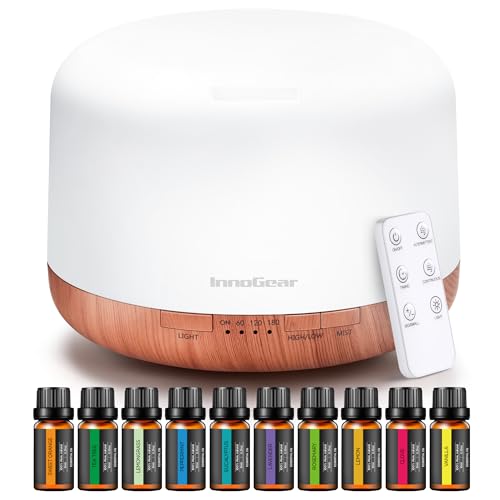
InnoGear Aromatherapy Diffuser & 10 Essential Oils Set, 500ml Essential Oil Diffuser with Remote Control Ultrasonic Cool Mist Scent Humidifier Vaporizer Auto-Off Timer for Room Office Home, Yellow
Premium 10-Piece Essential Oil Set - Ten 10ml bottles of 100% pure natural oils (peppermint, orange, lavender, tea...
As an affiliate, we earn on qualifying purchases.
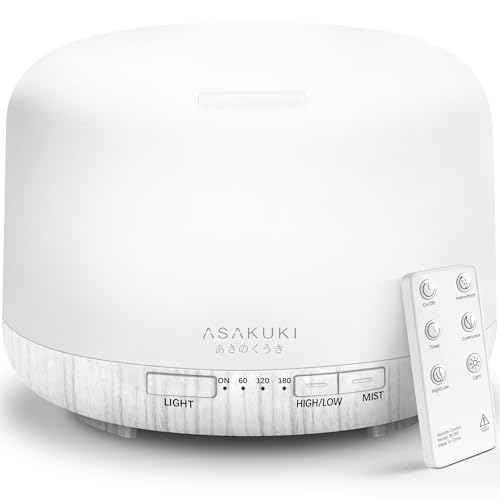
ASAKUKI Essential Oil Diffuser for Home, 500ML Aromatherapy Diffuser Humidifier with Remote Control, 7 Color LED Lights, Quiet Cool Mist Diffuser for Bedroom, Living Room, Office (White)
Up to 18Hrs of Continuous Aroma: The 500ml large-capacity tank takes the hassle out of frequent refills. Experience...
As an affiliate, we earn on qualifying purchases.