

You should pause an argument when tensions start to escalate, negativity takes over, or emotions become overwhelmed. Recognize signs that you or your partner need a break, and frame the timeout as a mutual effort to cool down. After pausing, give yourselves time to reflect and regain emotional readiness. When you’re both calmer, approach the conversation with openness and understanding. If you’re curious about how to come back effectively, there’s more to discover below.
Key Takeaways
- Pause when emotions become overwhelming or the conversation turns negative to prevent escalation.
- Take a break before tensions peak, signaling the need to cool down without assigning blame.
- Allow time for reflection and emotional regulation before re-engaging in the discussion.
- Reconnect with calmness and openness, reaffirming your intention to understand rather than win.
- Recognize that stepping back enhances clarity, leading to more constructive and respectful conversations.

Knowing when to pause an argument can be just as important as knowing how to argue effectively. It’s a strategic move that requires you to assess both emotional readiness and timing considerations. When emotions run high, continuing the debate often leads to misunderstandings or hurt feelings. Recognizing the right moment to pause can prevent damage and set the stage for a more productive conversation later.
Knowing when to pause an argument helps prevent misunderstandings and fosters healthier, more productive conversations.
You’ll want to pay close attention to your own emotional state and that of your partner. If either of you is feeling overwhelmed, frustrated,, or defensive, the argument isn’t likely to reach a constructive resolution. Instead, it’s better to hit pause, giving both of you time to cool down and gather your thoughts. This isn’t about avoiding conflict altogether but about managing it wisely. Pausing in these moments allows you to regain emotional readiness, which is essential for effective communication.
Timing considerations are crucial here. If you notice that the discussion is spiraling into negativity or becoming unproductive, it’s a clear sign to take a break. Don’t wait until tensions are at a breaking point—sometimes, simply suggesting a short timeout can make all the difference. When you pause, avoid blaming or criticizing; instead, frame it as a mutual effort to approach the issue more thoughtfully. For example, saying, “Let’s take a moment and come back to this when we’re both calmer,” shows you’re committed to resolving the matter constructively.
Once you’ve paused, the challenge becomes knowing how and when to come back to the discussion. Give yourself and your partner enough time to process feelings and reflect. Rushing back into the argument without this space risks reigniting conflict and undermining progress. Emotional regulation plays a vital role in determining the right moment to resume, as it helps both parties manage their reactions more effectively. When you do decide to resume, approach the conversation with a calmer, more open mindset. Reaffirm your intention to listen and understand, rather than to win.
In the end, effective pausing hinges on genuine emotional readiness and well-timed intervention. It’s about recognizing that sometimes, the best way to move forward is to step back briefly, so you can come back stronger and more prepared. By mastering the art of knowing when to pause—and how to re-engage—you set the foundation for healthier, more respectful discussions that foster understanding instead of division. Being aware of these conflict resolution strategies can greatly improve your ability to navigate disagreements constructively.
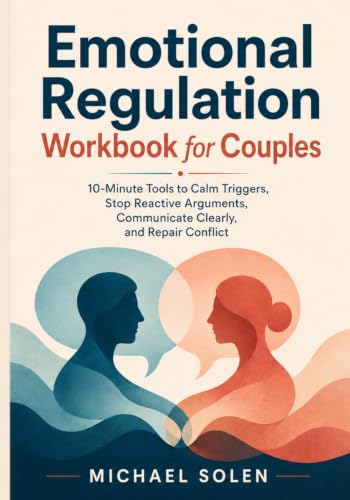
Emotional Regulation Workbook for Couples : 10-Minute Tools to Calm Triggers, Stop Reactive Arguments, Communicate Clearly, and Repair Conflict
As an affiliate, we earn on qualifying purchases.
As an affiliate, we earn on qualifying purchases.
Frequently Asked Questions
How Do I Recognize When an Argument Is Escalating Unnecessarily?
You recognize an argument is escalating unnecessarily when emotional awareness signals heightened anger or frustration, and communication strategies fail to de-escalate. If you notice raised voices, insults, or dismissive gestures, it’s time to pause. Take a deep breath, acknowledge the tension, and suggest a break. This pause helps both of you regain clarity and emotions, enabling more constructive conversations later. Recognizing these signs keeps conflicts from spiraling out of control.
What Are Subtle Signs That My Partner Wants to Pause?
You’d notice subtle signs your partner wants to pause through emotional cues like sighs or avoidance, and tone shifts that hint they’re mentally retreating. Their eyes might glaze over, or their voice cools unexpectedly. Maybe they start fidgeting or giving short answers. These tiny signals say, “Hey, I’m overwhelmed,” even if they don’t voice it outright. Recognizing these cues lets you pause kindly before things spiral into chaos—saving your relationship from catastrophe.
Can Pausing an Argument Improve Long-Term Relationships?
Pausing an argument can definitely improve long-term relationships by giving both of you time to practice emotional intelligence and regain composure. During the break, you can engage in active listening, understand each other’s perspectives better, and prevent escalation. By doing so, you create a safe space where feelings are acknowledged, leading to healthier communication and stronger trust. This thoughtful pause helps nurture respect and understanding in your relationship.
How Do I Ensure a Pause Isn’T Seen as Avoidance?
Think of pausing an argument as steering a ship through rough waters. To prevent it from seeming like avoidance, use your emotional intelligence to recognize the other person’s feelings and show you’re actively listening. Clearly communicate that the pause is a temporary navigational step, not avoidance. When you return, address the issue with openness, demonstrating your commitment to understanding and resolving, which reassures your partner you’re engaged and not evading.
What Common Mistakes Should I Avoid When Pausing an Argument?
You should avoid common mistakes like cutting off the conversation abruptly or using dismissive language, which can damage trust. Instead, use emotional intelligence to recognize when a pause is needed and practice active listening to understand your partner’s perspective. Don’t rush to resume the discussion; give both of you time to process. This approach shows respect and patience, strengthening your relationship rather than creating distance.
Conclusion
Knowing when to pause an argument is like planting a seed; it gives both of you space to breathe and reflect. Sometimes, pressing pause isn’t giving up—it’s nurturing understanding. When tempers flare or words turn sharp, take a step back and let silence be your bridge. It’s in those quiet moments that clarity blooms, illuminating a path back to connection. Remember, sometimes the strongest reply is a pause, turning storms into calm seas.