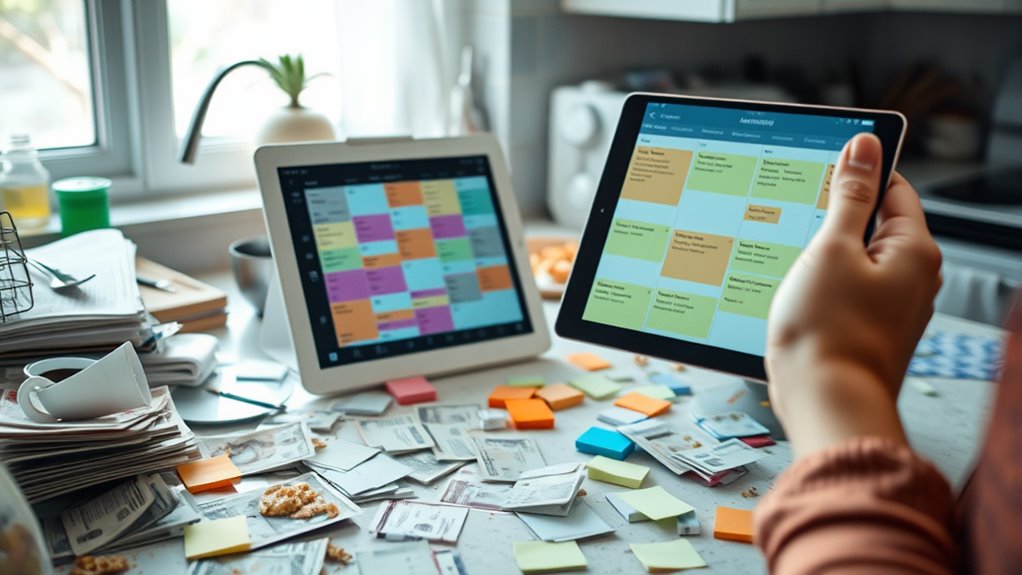

To make your mental load visible and share it, start by openly communicating your needs and responsibilities with others. Break down tasks and involve everyone in household chores and emotional labor, so no one bears the burden alone. Recognize what’s being managed behind the scenes and encourage participation for fairness. By shining a light on this invisible work, you foster understanding and balance—something worth exploring further for a healthier, more supportive environment.
Key Takeaways
- Communicate openly about your responsibilities to increase awareness of the mental load.
- Share household tasks and emotional labor to distribute responsibilities fairly.
- Make invisible tasks visible by creating checklists or schedules for all responsibilities.
- Encourage household members to participate actively and acknowledge their role in managing the load.
- Foster ongoing conversations to adjust responsibilities and ensure balanced emotional and practical support.
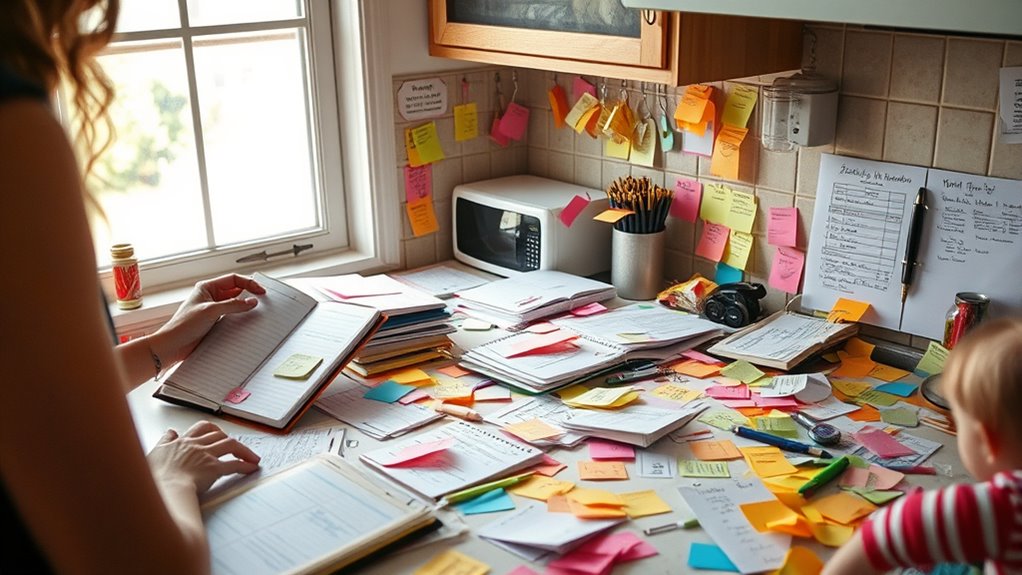
Have you ever felt overwhelmed by the invisible burden of managing daily responsibilities? That feeling isn’t uncommon, especially when it comes to handling household responsibilities and emotional labor. These tasks often go unnoticed, yet they weigh heavily on your mind and body. You might find yourself constantly planning, remembering, and coordinating, even when no one asks you to. It’s like carrying an invisible backpack filled with to-do lists, worry, and mental checklists. This mental load isn’t just about chores; it’s about managing the unseen, emotional aspects of daily life that keep everything running smoothly. From remembering appointments to anticipating everyone’s needs, you’re doing a lot of cognitive work that often goes unrecognized.
The invisible mental load of daily responsibilities often goes unnoticed but weighs heavily on your well-being.
This invisible burden can silently drain your energy, leaving you exhausted even after a full day. You might be the one who keeps track of groceries, schedules doctor visits, or reminds everyone about important dates. While these tasks seem small on their own, they add up quickly, becoming a persistent mental weight. Emotional labor plays a big role here, as you’re often the one who manages the moods, conflicts, and emotional needs of your family or household. It’s about maintaining peace, ensuring everyone feels heard, and smoothing over disagreements — all without explicit acknowledgment. This emotional labor requires constant vigilance and empathy, and it can be exhausting, especially when you feel like you’re doing it all alone.
One of the biggest challenges is that this mental load isn’t always visible to others. You might be juggling multiple responsibilities, but your efforts go unnoticed or are dismissed as “just part of the job.” That’s why it’s vital to make this load more visible — not just to yourself but to those around you. Sharing the mental load means openly communicating what needs to be done and collaborating on household responsibilities. It involves shifting the expectation that you alone should carry the emotional labor. When you speak up about what’s on your mind, you create space for others to step in and share the burden. This not only lightens your mental load but also fosters a more balanced, respectful partnership.
Taking control of this invisible work starts with awareness. Recognize what you’re managing behind the scenes, and don’t hesitate to express your needs. Encourage others in your household to participate actively, whether it’s through shared chores or emotional support. By making the mental load visible and sharing it, you reclaim your peace of mind and create a healthier environment for everyone. Remember, no one should have to carry the weight of household responsibilities and emotional labor alone. Sharing the load isn’t just fair — it’s essential for your well-being.

InnoGear Aromatherapy Diffuser & 10 Essential Oils Set, 400ml Diffuser Ultrasonic Diffuser Cool Mist Humidifier with 4 Timers 7 Colors Light Waterless Auto Off for Valentine's Gift, Dark Wood Grain
Reminder: To ensure proper mist function, please do not refill under tap (use measuring cup only to prevent...
As an affiliate, we earn on qualifying purchases.
Frequently Asked Questions
How Can Partners Effectively Share Mental Load Responsibilities?
You can effectively share mental load responsibilities by fostering shared communication and openly discussing who handles what. Make an equitable division of tasks and regularly check in to adjust as needed. Be proactive in expressing your needs and listening to your partner’s. This way, both of you stay aware of responsibilities, prevent burnout, and create a balanced partnership where mental load feels fair and manageable for everyone involved.
What Are Common Signs of Mental Load Burnout?
You might notice you’re drowning in emotional exhaustion, like your feelings keep piling up with no end in sight. Decision fatigue hits hard, leaving you unable to make simple choices without second-guessing. Constant irritability, forgetfulness, and feeling overwhelmed are clear signs you’re burning out from mental load. When everyday tasks become mountains, and you feel drained even before starting, it’s time to recognize these signs and ask for help.
How Does Mental Load Impact Relationships and Mental Health?
Mental load can strain your relationships and mental health by creating communication barriers and draining emotional resilience. You might feel overwhelmed, anxious, or misunderstood, which makes it harder to connect with others. As your emotional resilience decreases, conflicts can escalate, and feelings of loneliness grow. Prioritizing open conversations and sharing responsibilities helps reduce mental load, fostering healthier relationships and bolstering your mental well-being.
Are There Age-Specific Strategies for Managing Mental Load?
Absolutely, age-specific strategies serve as smart solutions for managing mental load. For young children, focus on fostering fun, functional routines that build independence. Teenagers require clear communication and collaborative planning to navigate their developmental challenges. Adults benefit from boundary-setting and balancing responsibilities. Tailoring approaches to age-specific challenges guarantees you address mental load effectively, making tasks manageable and relationships stronger. Embrace these developmental strategies to ease everyday stresses with confidence.
What Resources or Tools Can Help Track Mental Load Tasks?
You can use mental load apps like Todoist or Asana to keep track of your tasks easily. Task management tools help you organize, prioritize, and share responsibilities with others, reducing overwhelm. These apps send reminders, create checklists, and provide visual overviews of your mental load, making it more manageable. By regularly updating and reviewing your task management tools, you stay on top of responsibilities and share the mental load effectively.
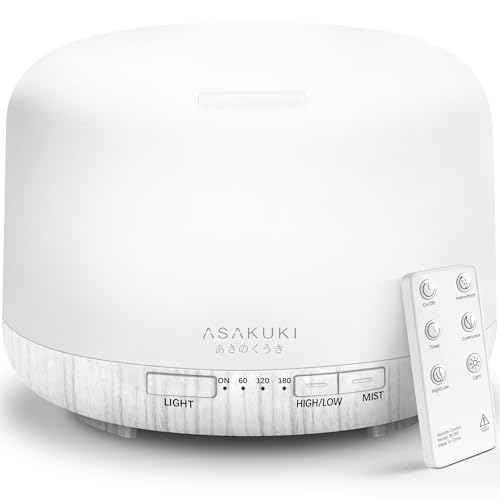
ASAKUKI Essential Oil Diffuser for Home, 500ML Aromatherapy Diffuser Humidifier with Remote Control, 7 Color LED Lights, Quiet Cool Mist Diffuser for Bedroom, Living Room, Office (White)
Up to 18Hrs of Continuous Aroma: The 500ml large-capacity tank takes the hassle out of frequent refills. Experience...
As an affiliate, we earn on qualifying purchases.
Conclusion
By making the mental load visible and sharing responsibilities, you create a more balanced partnership. It might seem easier to keep things as they are, but neglecting this can lead to burnout and resentment. Recognizing and distributing these invisible tasks not only eases your burden but also fosters understanding and respect. When you actively address the mental load, you build a healthier, more equitable relationship—proving that sharing the mental load benefits everyone involved.

Essential Oil Diffuser, 100ml Aromatherapy Diffuser, Mini Ultrasonic Diffuser for Essential Oil, Home, Office, Cool Mist Humidifier with 7 Led Light, Auto Shut-Off, White
Compact Aroma Hub: This 3.54" x 5.91" essential oil diffuser fits seamlessly into any space - home or...
As an affiliate, we earn on qualifying purchases.

InnoGear Essential Oil Diffuser, Ultrasonic Diffusers for Home Aromatherapy Humidifier for Bedroom Room 7 Colors LED 2 Mist Mode Auto Off, Basic White
Trusted Brand with Quality Assurance: At InnoGear, we don't just promise quality, we assure it. As a leading...
As an affiliate, we earn on qualifying purchases.