

The ‘Stop, Drop, Roll’ of Emotional First Aid helps you quickly manage intense feelings. First, recognize and name your emotions honestly. Then, take deep breaths to calm your body. Use grounding techniques by focusing on your senses to stay present. Challenge negative thoughts to shift your mindset positively. Finally, move your body to release tension. Mastering these steps can prevent feelings from spiraling, and exploring additional strategies will give you even more tools to stay balanced.
Key Takeaways
- Recognize and label your emotions honestly to prevent escalation and promote self-awareness.
- Use deep breathing to activate relaxation and reset emotional intensity.
- Ground yourself through sensory focus to stay present and reduce distress.
- Challenge negative thoughts by questioning their validity and reframing perspectives.
- Engage in physical movement to release tension and boost emotional regulation.

Have you ever felt overwhelmed by strong emotions and wished you had a quick way to feel better? When emotions run high, it can feel like you’re lost in a storm with no clear way out. That’s where the concept of emotional first aid comes in—simple, effective steps to help you regain control quickly. The core idea is to develop mental resilience by employing practical coping strategies that ground you in the moment. These strategies are designed to help you pause, reset, and move forward with clarity.
The first step in this process is to recognize what you’re feeling without judgment. Instead of trying to suppress or ignore your emotions, acknowledge them honestly. Say to yourself, “I’m angry,” or “I’m anxious,” without attaching shame or guilt. This awareness is vital because it prevents your emotions from spiraling further out of control. Once you’ve identified your feelings, take a deep breath, inhaling slowly through your nose and exhaling through your mouth. Deep breathing is a powerful coping strategy that activates your parasympathetic nervous system, helping to calm your mind and body. It’s like pressing the reset button on your emotional state.
Next, employ a grounding technique to anchor yourself in the present moment. One simple method is to focus on your senses: identify five things you can see, four you can touch, three you can hear, two you can smell, and one you can taste. This practice shifts your attention away from overwhelming thoughts or feelings and redirects it to your immediate environment. It’s a quick way to break the cycle of distress, building your mental resilience by reinforcing your ability to stay centered amid chaos.
Another effective coping strategy is to challenge negative thoughts with more balanced perspectives. If you’re feeling overwhelmed by self-criticism or catastrophic thinking, ask yourself: “Is this really true?” or “What’s the evidence for and against this thought?” Reframing your thoughts helps reduce emotional intensity and fosters a more resilient mindset. Remember, developing mental resilience doesn’t mean avoiding difficult emotions; it’s about learning how to navigate them with healthy strategies.
Finally, once you’ve calmed your mind and grounded yourself, consider engaging in a brief physical activity—stretching, walking, or even shaking out tension. Movement releases built-up stress hormones and boosts your mood, reinforcing your coping strategies. When you combine these steps—awareness, breathing, grounding, reframing, and movement—you create a potent toolkit for managing strong emotions effectively. These are the foundational elements of emotional first aid, empowering you to face emotional storms with confidence and resilience, turning moments of distress into opportunities for growth.

COMFIER 2 in 1 FSA Foot Massager Machine,HSA Shiatsu Foot and Calf Massager with Heat,Kneading,Vibration,Compression Massagers for Feet Health,Plantar Fasclitis,Mother‘s Day Gifts for Mom
Unique heated Ottoman design, Comfier FSA foot and calf massager can be folded to be a luxury ottoman...
As an affiliate, we earn on qualifying purchases.
Frequently Asked Questions
How Quickly Can Emotional First Aid Be Effective?
Emotional first aid can provide immediate relief when you apply it, often within minutes of recognizing distress. Your emotional readiness plays a vital role in how quickly it works—being open and willing to engage accelerates healing. By promptly using techniques like grounding or deep breathing, you help stabilize your emotions, allowing you to regain clarity and calm faster. The sooner you act, the more effective the emotional first aid becomes.
Can Emotional First Aid Replace Professional Therapy?
Emotional first aid can provide immediate relief and empower you to manage feelings through self-help techniques and peer support, but it can’t replace professional therapy. While it’s great for quick coping, therapy offers deeper understanding and long-term solutions. Use emotional first aid as a helpful supplement, not a substitute, ensuring you seek professional help when needed for complex or persistent issues.
What Are Common Signs Someone Needs Emotional First Aid?
When you see someone’s emotional cues screaming louder than a toddler’s tantrum, it’s time for emotional first aid. They might seem overwhelmed, irritable, or withdrawing—like a volcano ready to erupt. If coping strategies are failing or they appear emotionally exhausted, you can step in. Recognize these signs, offer support, and help them activate quick emotional cues to manage stress before it spirals into chaos.
Are There Any Risks to Self-Administering Emotional First Aid?
Self-administering emotional first aid can be risky because self-diagnosis often leads to misunderstandings, making it hard to identify real issues. You might also develop emotional dependency on quick fixes instead of seeking proper support. This approach may mask underlying problems, delaying necessary professional help. Be cautious, and remember that relying solely on self-treatment can sometimes do more harm than good, so consider consulting a mental health professional when needed.
How Often Should Emotional First Aid Be Practiced?
You should practice emotional first aid daily, especially during stressful times. Studies show that consistent mental health habits build emotional resilience, reducing the impact of mental health myths. Regular practice helps you recognize and manage emotions more effectively, strengthening your mental wellness. Keep in mind, practicing often isn’t about perfection but about creating a healthy routine that supports your overall mental health and prepares you to handle challenges confidently.
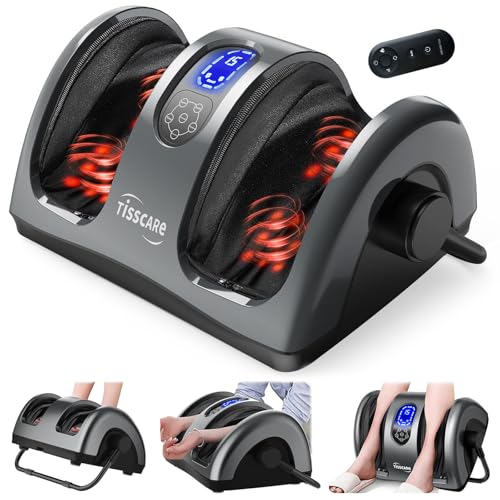
TISSCARE Shiatsu Foot Massager with Heat, FSA Eligible HSA Foot Massager for Plantar Fasciitis, Neuropathy, Circulation and Pain Relief, Massage Feet at Home/Office, Gift for Men and Women
👍Simulated Hands Massage Experience - This foot massager features 4 simulated hands, 10 rollers, and 96 nodes that...
As an affiliate, we earn on qualifying purchases.
Conclusion
Now that you know the basics of emotional first aid, you’re ready to respond swiftly and simply. Stop, breathe, and assess your feelings before acting. Drop the doubt and distress, and embrace empathy for yourself and others. Roll with the changes, remembering that resilience is within your reach. By mastering this mindful method, you’ll foster a future full of firmness and flexibility. Stay steadfast, and let emotional first aid elevate your everyday experiences with ease and empathy.

Human Touch Reflex SOL Foot & Calf Massager w/Heat - HSA Approved - Plantar Fasciitis Relief + Circulation + Shiatsu Deep Kneading + Vibrating for Stress - Adjustable for Women & Men up to Size 12
Massage the feet and calves, relax the whole body. Our patented CirQulation Figure-Eight Technology, with heat, circulates blood...
As an affiliate, we earn on qualifying purchases.
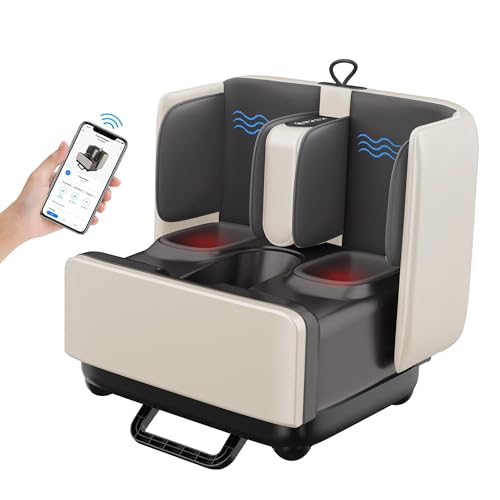
COMFIER 2-in-1 Shiatsu Foot Massager&Foot Rest,Foot and Calf Massager with APP Control,Heated Feet Massager for Foot Pain Relief,Gifts for Men Women
2-in-1 Foot And Calf Massager & Foot Rest -The heated foot massager can be folded to be a...
As an affiliate, we earn on qualifying purchases.