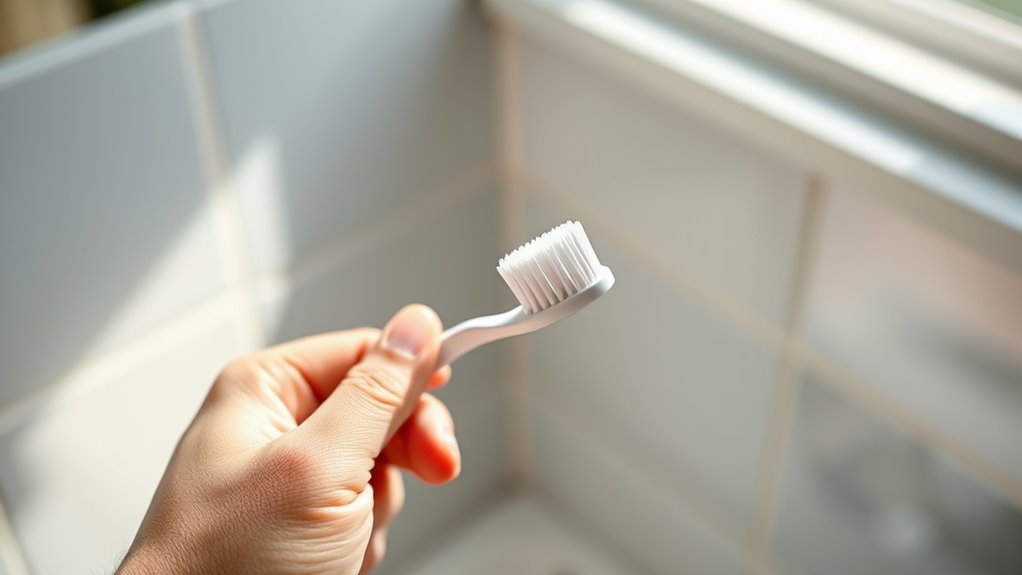

During tooth brushing, you can turn the activity into a micro-meditation by focusing fully on the experience. Pay attention to the sensation of the bristles, the coolness of the toothpaste, and the sound of brushing. Breathe mindfully, noticing each inhale and exhale, and gently redirect your thoughts back when they wander. You might also silently express gratitude for your health or comfort. Keep practicing these simple techniques to deepen your mindfulness—if you’re curious, you’ll find how to incorporate them seamlessly into your routine.
Key Takeaways
- Focus on sensory details like toothpaste texture, sound, and temperature to anchor your attention during brushing.
- Practice mindful breathing, paying close attention to each inhale and exhale to stay present.
- Silently express gratitude for aspects of self-care or the moment to cultivate positive feelings.
- Redirect your focus gently to physical sensations if your mind wanders, fostering patience and non-judgment.
- Use the rhythm of brushing and breathing as a flow to deepen your mindfulness experience.

Brushing your teeth is a daily routine that offers a perfect opportunity to practice micro-meditations. As you reach for your toothbrush each morning or evening, take a moment to become fully present. Focus on your breath, engaging in mindful breathing. Feel the sensation of the air entering and leaving your lungs, noticing the subtle movements of your chest and abdomen. This simple act helps anchor you in the present moment, transforming an ordinary task into a mindful practice. As you brush, keep your awareness on the rhythm and flow of your breath. If your mind begins to wander, gently bring it back to your breathing, without judgment. This focused attention cultivates calm and clarity, setting a peaceful tone for your day or evening.
While brushing, you can incorporate a gratitude practice to deepen your mindfulness. As you move the toothbrush across each tooth, silently acknowledge something you’re grateful for—perhaps the ability to care for yourself, the comfort of your home, or the simple pleasure of a fresh, clean feeling in your mouth. This gratitude practice, even if brief, shifts your mindset from routine obligation to appreciation. It helps you connect with positive emotions and fosters a sense of contentment. Combining mindful breathing with gratitude turns a mundane activity into a meaningful moment of reflection. You might silently thank your body for its resilience or appreciate the opportunity to nurture yourself with good hygiene. These small acts of gratitude can boost your overall well-being and cultivate a more positive outlook.
While brushing, silently acknowledge something you’re grateful for to deepen mindfulness and foster a positive, appreciative mindset.
As you continue brushing, pay attention to the sensations—the coolness of the toothpaste, the texture of the toothbrush bristles, the sound of bristles against teeth. Let these sensory details anchor your awareness. If your mind drifts to worries or distractions, gently redirect your focus back to the physical sensations and your breath. This practice of mindful breathing and gratitude during brushing helps you develop greater presence and resilience outside of your meditation sessions. It also encourages a gentle, non-judgmental attitude toward your thoughts, promoting patience and self-compassion.
Incorporating micro-meditations into your tooth-brushing routine doesn’t require extra time—it’s about adding intention to everyday moments. By focusing on mindful breathing, acknowledging gratitude, and tuning into sensory experiences, you turn a simple act into a powerful opportunity for mindfulness. Over time, these brief pauses can enhance your mental clarity, emotional balance, and overall sense of calm. So, the next time you reach for your toothbrush, remember that you’re not just cleaning your teeth—you’re nourishing your mind and spirit as well.

ASAKUKI Essential Oil Diffuser for Home, 500ML Aromatherapy Diffuser Humidifier with Remote Control, 7 Color LED Lights, Quiet Cool Mist Diffuser for Bedroom, Living Room, Office (Yellow)
5-IN-1 AROMATHERAPY DEVICE: This ultrasonic essential oil diffuser is an amazing multi-functional aromatherapy device unlike any other you've...
As an affiliate, we earn on qualifying purchases.
Frequently Asked Questions
Can Micro-Meditations Improve Dental Health?
Yes, micro-meditations can improve your dental health by enhancing your mindfulness practices during dental hygiene routines. When you focus your attention on each brush stroke and breathe deeply, you become more aware of your oral health habits, leading to better brushing and flossing. This increased mindfulness helps you maintain consistent routines, reduces stress, and promotes healthier teeth and gums over time, making your dental care more effective.
How Long Should Each Micro-Meditation Last?
Sure, your micro-meditation should last just long enough to feel like a mini vacation—usually 30 seconds to a minute. Don’t get caught up in strict timing guidelines; flexibility is key. During brushing, focus on your breath or sensations, and if your mind wanders, gently bring it back. The goal isn’t perfection but a moment of calm amidst chaos—so keep it brief and enjoyable!
Are Micro-Meditations Suitable for Children?
Yes, micro-meditations are suitable for children, especially when tailored to their age. You can incorporate children’s mindfulness by using simple, age-appropriate practices that hold their attention. During activities like brushing teeth, guide them to focus on their breath, the sensation of the brush, or sounds around them. This helps develop their mindfulness skills gradually, making it a fun and calming routine they’ll enjoy and benefit from daily.
Do Micro-Meditations Require Any Special Equipment?
An ounce of prevention is worth a pound of cure, so you’ll be glad to know micro-meditations don’t need special equipment. You can practice mindfulness techniques during your dental hygiene routine, like focusing on your breath or the sensation of brushing. These simple techniques help you stay present without extra tools, making it easy to incorporate mindfulness into daily habits like brushing your teeth for better mental clarity and overall well-being.
Can Micro-Meditations Replace Traditional Meditation Practices?
Micro-meditations can complement traditional practices but shouldn’t fully replace them. They fit easily into your daily routines, enhancing your mindfulness training by providing quick moments of focus. While they’re great for maintaining awareness throughout the day, traditional meditation offers deeper, longer-lasting benefits. Incorporate both into your routine for a balanced approach—use micro-meditations for quick resets and longer sessions for profound mindfulness.

InnoGear Aromatherapy Diffuser & 10 Essential Oils Set, 400ml Diffuser Ultrasonic Diffuser Cool Mist Humidifier with 4 Timers 7 Colors Light Waterless Auto Off for Valentine's Gift, Dark Wood Grain
Reminder: To ensure proper mist function, please do not refill under tap (use measuring cup only to prevent...
As an affiliate, we earn on qualifying purchases.
Conclusion
Next time you brush your teeth, try a micro-meditation to boost your mood and focus. Some studies suggest that even brief mindfulness exercises can reduce stress and improve mental clarity. So, as you concentrate on each brush stroke, you might also be strengthening your mind. It’s a simple, effective way to turn a routine task into a moment of calm and self-care. Give it a try—you might find your day feels a little brighter.
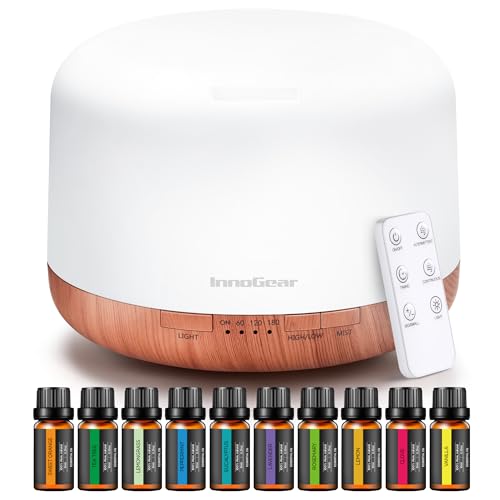
InnoGear Aromatherapy Diffuser & 10 Essential Oils Set, 500ml Essential Oil Diffuser with Remote Control Ultrasonic Cool Mist Scent Humidifier Vaporizer Auto-Off Timer for Room Office Home, Yellow
Premium 10-Piece Essential Oil Set - Ten 10ml bottles of 100% pure natural oils (peppermint, orange, lavender, tea...
As an affiliate, we earn on qualifying purchases.
Amazon Product B08JQ6FS8G
As an affiliate, we earn on qualifying purchases.