
When anxiety hits its worst, practicing mindful breathing can be a game-changer. By focusing on slow, deep breaths—like diaphragmatic or box breathing—you can calm your racing heart and quiet anxious thoughts. Techniques like inhaling deeply through your nose and exhaling slowly help reduce stress hormones and restore clarity. Consistently using these methods during tough days builds resilience and a sense of calm that lasts. If you’re ready, you’ll discover simple ways to incorporate this powerful tool into your routine.
Key Takeaways
- Mindful breathing helps ground thoughts and reduces physical symptoms like racing heart and shallow breaths during anxiety attacks.
- Regular practice of techniques such as deep diaphragmatic breathing calms the nervous system and alleviates stress.
- Incorporating mindful breathing into daily routines creates a mental space for calmness amid overwhelming moments.
- Sound healing and comfortable physical spaces enhance the effectiveness of breathing exercises in managing anxiety.
- Consistent mindful breathing builds emotional resilience, making it easier to navigate and recover from difficult days.
Recognizing the Signs of Overwhelming Anxiety
When anxiety starts to take hold, you might notice physical and emotional signals that something’s off. You could experience sudden panic attacks, where your heart races, your breathing quickens, or you feel dizzy and overwhelmed. Emotional triggers, like stressful situations or negative thoughts, often set these feelings into motion. You might feel intense fear, irritability, or a sense of losing control. Physical signs such as trembling, sweating, or stomach discomfort can also appear. Recognizing these symptoms early helps you understand that anxiety is taking over. By paying attention to these signals, you can respond more effectively, whether through mindful breathing or other calming techniques. Developing emotional awareness can further enhance your ability to identify and manage anxiety symptoms before they escalate. Being aware of your body’s cues is the first step in managing overwhelming anxiety. Incorporating mindful breathing techniques into your routine can significantly reduce the intensity of these symptoms and help regain a sense of calm.
The Turning Point: When I Decided to Try Something New

Eventually, you realize that the constant overwhelm is taking a serious toll on your well-being. That’s when you decide it’s time to explore new strategies to manage anxiety. Trying something different becomes your turning point toward finding relief. Incorporating mindfulness practices, such as nighttime meditation, can further support mental clarity and emotional balance during stressful times. Additionally, practicing deep breathing exercises can help regulate your nervous system and reduce immediate feelings of anxiety. Engaging in progressive relaxation techniques can also deepen your sense of calm and physical awareness. For dog owners, choosing a preppy dog name that reflects your style can add a personal touch to your pet’s identity, which can be a comforting presence during stressful days. Remember, understanding credit card terms and financial literacy can also reduce stress related to personal finances, contributing to overall mental well-being.
Recognizing Overwhelm’s Toll
The constant weight of anxiety had worn you down, making even simple tasks feel overwhelming and exhausting. You noticed the toll when panic attacks struck more frequently, leaving you breathless and shaken. Emotional exhaustion seeped into every part of your day, draining your energy and clouding your thoughts. You couldn’t ignore how your body responded—racing heart, shallow breaths, and a sense of helplessness. Recognizing this toll was a turning point; it made you realize the need for change. You understood that pushing through wasn’t sustainable. This awareness pushed you to seek something different, something that could help you manage these overwhelming moments and begin to regain control. Exploring sound design techniques like ambient sounds and mindful audio practices can provide calming environments to support your journey. Incorporating evidence-based approaches can further enhance your ability to cope with anxiety in the long term. Regular practice of mindfulness techniques can strengthen your resilience over time. Additionally, engaging in relaxation strategies such as deep breathing exercises offers immediate relief during stressful episodes. Understanding the benefits of glycolic acid in skincare routines can also promote a sense of self-care and confidence, aiding overall emotional well-being. Acknowledging your limits was the first step toward healing.
Seeking Alternative Strategies
Recognizing how anxiety was draining your energy, you knew you had to try something different. You explored new approaches like meditation techniques and dietary adjustments to better manage your stress. These strategies offered fresh perspectives beyond mindful breathing. To start, you might:
- Experiment with different meditation techniques, such as guided imagery or body scans.
- Adjust your diet to include calming foods like herbal teas, nuts, or omega-3-rich options.
- Incorporate regular physical activity to boost mood and reduce tension.
- Limit caffeine and processed foods that can heighten anxiety symptoms.
- Exploring stress management strategies like cognitive behavioral techniques can further enhance your coping skills.
Understanding Mindful Breathing and Its Benefits
Mindful breathing techniques help you find calmness amid chaos, grounding your thoughts and easing anxiety. By focusing on your breath, you can experience physical benefits like reduced heart rate and mental clarity. These simple practices can make a significant difference in managing stress and improving overall well-being. Incorporating Stoic principles into your breathing exercises can further enhance your resilience and emotional strength. Recognizing emotional distance and practicing mindfulness can also help you identify and address underlying feelings, fostering greater emotional resilience. Additionally, understanding how AI security measures are developed and monitored can provide insight into fostering trust and safety within technological environments. Connecting these techniques with vibrational alignment can amplify your ability to attract positive outcomes and maintain inner peace. Being aware of support hours for various services can help you plan better and reduce stress during challenging times.
Techniques for Calmness
When anxiety feels overwhelming, practicing mindful breathing can provide immediate relief by grounding your thoughts and calming your nervous system. To cultivate calmness, try these simple breathing techniques and meditation practices:
- Deep Diaphragmatic Breathing: Breathe deeply through your nose, expanding your belly, then slowly exhale through your mouth.
- Box Breathing: Inhale for four seconds, hold for four, exhale for four, and pause for four before repeating.
- 4-7-8 Technique: Inhale for four seconds, hold for seven, then exhale for eight to reduce stress.
- Alternate Nostril Breathing: Close one nostril, breathe through the other, then switch, balancing your nervous system. Incorporating sound healing science like mindful breathing can help shield your mental health during stressful times. Additionally, choosing a comfortable dog bed can provide a calming space and reduce overall stress levels.
These techniques help you stay present and foster calmness amid anxiety.
Physical and Mental Benefits
Practicing mindful breathing not only calms your mind but also produces tangible physical and mental benefits that can improve your overall well-being. It helps reduce stress, lowering cortisol levels and easing anxiety. Regular practice can also enhance heart health by promoting better circulation and reducing blood pressure. These benefits make it easier to manage daily pressures and prevent burnout. To visualize these effects:
| Benefit | Physical Impact | Mental Impact |
|---|---|---|
| Stress reduction | Lowers cortisol, eases tension | Promotes calmness and clarity |
| Heart health | Improves circulation, lowers BP | Enhances emotional resilience |
| Focus | Sharpens concentration | Boosts mental clarity |
| Sleep quality | Regulates sleep patterns | Reduces insomnia |
| Mood stability | Balances hormones | Improves overall outlook |
This practice supports both your physical health and mental strength.
My First Steps: Learning the Basics of Breath Awareness
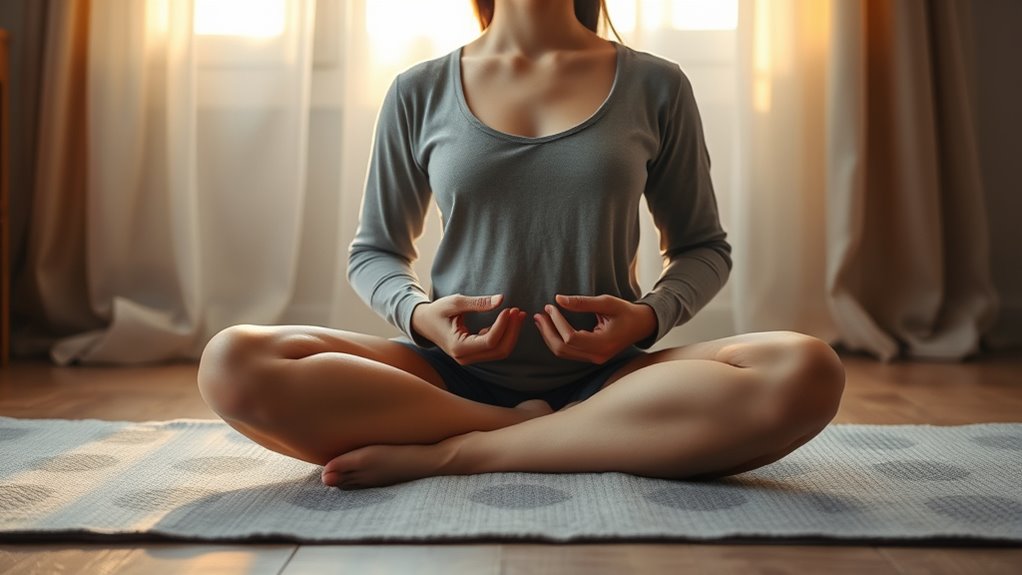
Starting your journey into breath awareness can feel overwhelming at first, but it’s simpler than you might think. To get started, focus on basic breathing techniques within your meditation practices. Here are key steps:
- Find a quiet, comfortable space where you won’t be disturbed.
- Sit or lie down with your back straight and relax your shoulders.
- Inhale slowly through your nose, feeling your lungs expand.
- Exhale gently through your mouth or nose, releasing tension.
Overcoming Challenges: Staying Consistent During Difficult Days

Difficult days can challenge your commitment to mindful breathing, but maintaining consistency is essential for long-term benefits. When emotions run high, it’s easy to skip your practice, but sticking with mindfulness techniques builds emotional resilience. On tough days, remind yourself that even a few deep breaths can ground you and reduce anxiety. Focus on simple actions, like paying attention to your breath or observing your surroundings without judgment. Consistency helps reinforce your ability to stay present, even amid chaos. By prioritizing your mindful breathing practice during challenging moments, you strengthen your emotional resilience and develop healthier responses to stress. Remember, setbacks are normal—what matters is returning to your practice and trusting that each session contributes to your growth.
The Impact of Mindful Breathing on My Daily Life

Because mindful breathing becomes a regular part of your routine, you notice how it seamlessly integrates into your daily life, bringing moments of calm even amid chaos. It helps you manage stress reduction and improves emotional regulation throughout your day. You start to experience:
Regular mindful breathing seamlessly integrates into daily life, fostering calm, resilience, and emotional balance amid chaos.
- Increased awareness of your emotional responses
- Better control over anxious thoughts
- Enhanced focus during stressful situations
- A sense of calm that persists beyond the breath exercises
This consistency makes it easier to navigate daily challenges, reducing the intensity of anxiety and fostering a balanced mindset. Mindful breathing becomes your go-to tool for grounding yourself in the present, helping you build resilience and face each day with greater confidence and clarity.
Personal Tips for Incorporating Breathing Exercises Into Routine
To seamlessly incorporate breathing exercises into your daily routine, find moments throughout the day where you can pause and focus on your breath. Start by setting aside a few minutes during activities like waiting in line, commuting, or taking breaks. Practice breathing awareness by paying attention to each inhale and exhale without judgment. To improve routine integration, attach breathing exercises to existing habits—such as before bed or during your coffee break. Keep a reminder nearby, like a sticky note or alarm, to prompt you. Over time, these small pauses will become automatic, helping you manage anxiety proactively. Consistency is key; the more you practice, the more natural mindful breathing will feel and the greater its calming effect.
Moving Forward: Embracing Calm Amidst Life’s Storms
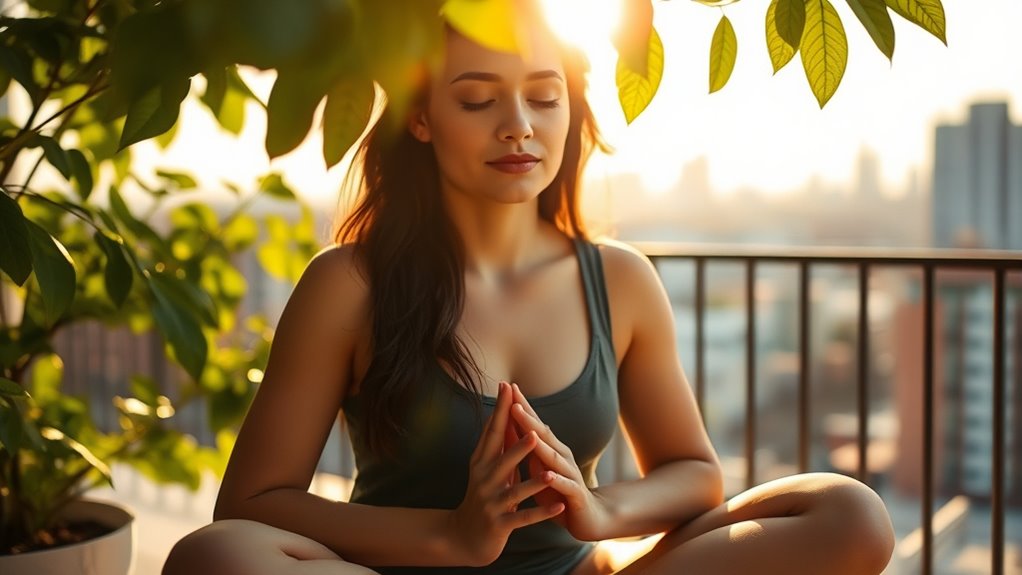
Life often throws unexpected challenges your way, testing your resilience and inner calm. To move forward, focus on embracing calm amidst life’s storms by strengthening your stress management and emotional resilience. Here are four steps to help you stay centered:
- Practice mindful breathing daily to regulate emotions.
- Create routines that promote stability and reduce anxiety.
- Develop a support system for emotional guidance.
- Accept setbacks as part of growth, not failure.
Frequently Asked Questions
Can Mindful Breathing Replace Medication for Anxiety Management?
You might wonder if mindful breathing can replace medication for anxiety. While meditation benefits include reducing stress and promoting relaxation, it’s often an alternative therapy rather than a complete substitute. If your anxiety is severe, it’s crucial to consult a healthcare professional. Mindful breathing can complement medication or serve as a helpful tool on its own for managing daily stress, but it may not fully replace pharmaceutical treatments for everyone.
How Long Does It Take to Notice Benefits From Breathing Exercises?
You might wonder about the timing benefits of breathing exercises, and with consistent practice, you could notice improvements in just a few days. Many people experience reduced anxiety and a calmer mind within 10 to 15 minutes of daily practice. The key is regularity—you’ll likely see the most significant benefits over a few weeks. Keep practicing consistently, and you’ll gradually feel more in control of your stress and anxiety.
Are There Specific Breathing Techniques Suited for Severe Anxiety Episodes?
When facing severe anxiety episodes, you need targeted techniques like deep breathing and box breathing. Deep breathing helps slow your heart rate, relax your mind, and bring clarity. Box breathing, with its four-step inhale, hold, exhale, hold pattern, creates a calming rhythm that steadies your nerves. Both methods give you control, focus, and relief, helping you navigate intense moments with confidence and calmness.
Can Mindful Breathing Help With Other Mental Health Issues Besides Anxiety?
You might find mindful breathing helpful for various mental health issues beyond anxiety. It promotes stress reduction and enhances emotional regulation, helping you stay grounded during tough moments. By focusing on your breath, you can calm your mind, improve mood, and manage feelings more effectively. Incorporating regular mindful breathing exercises into your routine can support overall mental well-being and resilience, making it a valuable tool for many emotional challenges.
How Do I Stay Motivated to Practice Daily Breathing Exercises?
To stay motivated to practice daily breathing exercises, focus on habit formation by setting a specific, manageable schedule. Use motivational strategies like tracking your progress or rewarding yourself for consistency. Remind yourself of the benefits, such as reduced stress and increased calmness, to reinforce your commitment. Keep it simple and make it part of your daily routine, so it becomes a natural, lasting habit that supports your mental well-being.
Conclusion
Even on your worst days, when anxiety feels overwhelming, mindful breathing can be your anchor. It’s simple, quiet, and powerful—a calm in the storm. While life may toss you around with chaos and uncertainty, your breath remains steady, a reminder that peace is always within reach. Embrace this practice, and you’ll discover that amidst the chaos, a moment of calm can change everything. Your journey to calm starts with one breath.