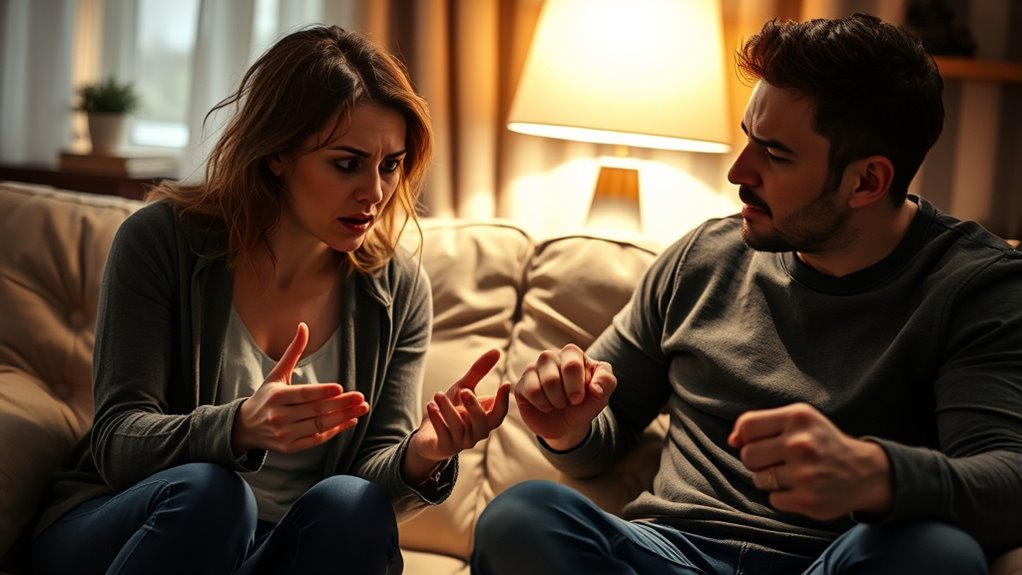

In heated moments, real couples focus on respectful communication and managing emotions. They avoid blame and instead use “I” statements to express feelings clearly. Taking a break helps them cool down and return with a calmer mindset. They listen actively and validate each other’s emotions, even if they disagree. Establishing ground rules like no yelling or name-calling makes discussions more productive. Keep exploring to discover more strategies for fighting fair and strengthening your relationship.
Key Takeaways
- They use “I” statements to express feelings without blaming their partner.
- They take breaks to cool down before continuing the discussion.
- They focus on understanding each other’s emotions rather than winning the argument.
- They set ground rules to avoid yelling, name-calling, and past grievances.
- They prioritize respectful communication to resolve conflicts and strengthen their relationship.

Have you ever wondered how some couples manage to resolve disagreements without damaging their relationship? It often comes down to effective communication strategies and a solid approach to conflict resolution. When emotions run high, it’s easy to get caught up in the heat of the moment, but couples who fight fair know how to navigate these moments with purpose and respect. They understand that the goal isn’t to win the argument but to understand each other better and find a solution that works for both.
One key aspect of fighting fair is staying mindful of your communication. Instead of attacking your partner personally, you focus on expressing your feelings and needs clearly. Using “I” statements rather than “you” accusations helps prevent defensiveness. For example, saying “I feel hurt when…” instead of “You always…” shifts the conversation from blame to sharing your experience. Active listening plays a vital role here—truly hearing your partner’s perspective shows respect and fosters understanding. When you pay close attention, you avoid misunderstandings and demonstrate that you value their feelings.
Fighting fair means using “I” statements and active listening to foster understanding and respect.
Conflict resolution isn’t just about what you say; it’s also about how you handle disagreements physically and emotionally. Couples who fight fair know that taking a break when things get too heated can be helpful. Stepping away momentarily allows both of you to cool down and reflect, preventing words or actions you might regret. When you return to the discussion, you do so with a calmer mindset, ready to seek common ground. It’s also important to acknowledge your partner’s emotions, even if you disagree with their point of view. Validating their feelings doesn’t mean you agree but shows you respect their experience.
Another effective strategy is establishing ground rules for disagreements. For instance, agreeing to avoid yelling, name-calling, or bringing up past grievances keeps the conflict focused and productive. When you keep the conversation respectful, it’s easier to find solutions rather than get stuck in blame. Remember, conflict resolution isn’t about avoiding disagreements altogether; it’s about managing them constructively. Couples who do this recognize that disagreements are natural but that the way you handle them defines the health of your relationship.
Ultimately, fighting fair requires intentional effort and a commitment to open, honest communication. It’s about creating a safe space where both partners feel heard and respected, even during heated moments. By developing good communication strategies and focusing on conflict resolution, you can work through challenges without harming the connection you share. This approach not only helps resolve conflicts more effectively but also strengthens your bond over time, proving that love can triumph even in the heat of disagreement.

InnoGear Aromatherapy Diffuser & 10 Essential Oils Set, 400ml Diffuser Ultrasonic Diffuser Cool Mist Humidifier with 4 Timers 7 Colors Light Waterless Auto Off for Valentine's Gift, Dark Wood Grain
Reminder: To ensure proper mist function, please do not refill under tap (use measuring cup only to prevent...
As an affiliate, we earn on qualifying purchases.
Frequently Asked Questions
How Can Couples Prevent Fights From Escalating?
To prevent fights from escalating, you should recognize and address emotional triggers early, avoiding communication breakdowns. Stay calm and listen actively, giving your partner space to express themselves without interruption. Use “I” statements instead of blame, and take a break if emotions run too high. This approach keeps conflicts manageable, prevents misunderstandings, and helps you both feel heard, fostering healthier, more respectful communication during disagreements.
What Are Effective Ways to Apologize After a Disagreement?
You realize an effective apology starts with good timing; don’t wait too long to say sorry. Use non-verbal cues like eye contact and a gentle tone to show sincerity. When you apologize, acknowledge what you did wrong clearly and genuinely. Sometimes, a simple gesture or touch can reinforce your words. Being attentive to their reactions helps you gauge if your apology lands, making it more meaningful and healing.
How Does Fighting Fair Impact Long-Term Relationship Health?
Fighting fair boosts your long-term relationship health by strengthening emotional intelligence and enhancing conflict resolution skills. When you communicate openly, listen actively, and respect each other’s feelings, you build trust and understanding. This approach helps you navigate disagreements constructively, preventing resentment. Over time, it fosters a resilient bond, making your relationship more satisfying and capable of overcoming challenges, ensuring you stay connected and supportive through life’s ups and downs.
Are There Specific Words to Avoid During Conflicts?
You should absolutely avoid words like “always” or “never” during conflicts—they fuel anger like a wildfire. Steer clear of name calling and defensiveness, which turn small disagreements into epic battles. Using harsh words or accusations can blow up the fight and damage trust. Instead, focus on calm, respectful language. Your words shape the fight’s tone, so choose kindness over blame to keep your relationship strong and healthy.
How Do Couples Rebuild Trust After a Heated Argument?
To rebuild trust after a heated argument, you should set clear emotional boundaries and practice effective conflict resolution techniques. Acknowledge what happened, apologize sincerely, and listen actively to your partner’s feelings. Show consistency and patience, demonstrating your commitment to change. By respecting boundaries and working through conflicts constructively, you rebuild trust gradually, creating a stronger foundation for your relationship.

Essential Oil Diffuser Aromatherapy Diffuser - Art Glass Oil Diffuser with Auto Shut-Off Protection 4 Timer Setting 7 Colors Changed LED Night Light for Home Office Decor Gift (Grey Wave)
Unique Design: Glass cover, ink painting design, a perfect addition to any contemporary home, office, gym, spa or...
As an affiliate, we earn on qualifying purchases.
Conclusion
Remember, fighting fair isn’t about winning; it’s about understanding. Keep your cool, listen actively, and speak kindly—even when you disagree. When you handle conflicts with respect, you build a stronger bond. As the saying goes, “The sweetest fruit comes from the hardest tree.” Stick to fair fighting, and you’ll find that love and patience can turn even the toughest moments into opportunities for growth. Your relationship will thank you for it.
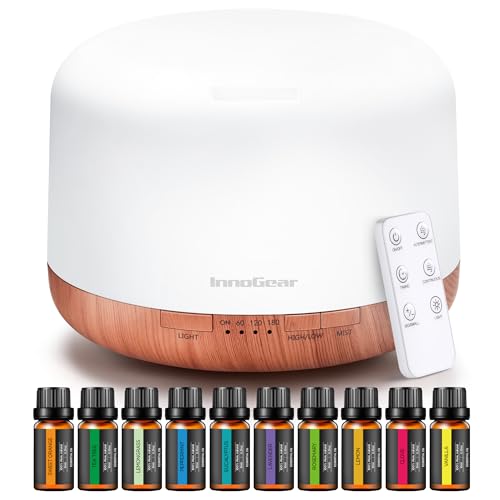
InnoGear Aromatherapy Diffuser & 10 Essential Oils Set, 500ml Essential Oil Diffuser with Remote Control Ultrasonic Cool Mist Scent Humidifier Vaporizer Auto-Off Timer for Room Office Home, Yellow
Premium 10-Piece Essential Oil Set - Ten 10ml bottles of 100% pure natural oils (peppermint, orange, lavender, tea...
As an affiliate, we earn on qualifying purchases.

ONLUKY Red Light Therapy Mask for Face,Cordless LED Face Mask Light Therapy,USB C Rechargeable,Infrared Lights Masks for Home Working Travel Yoga Sleep
【Experience Advanced Red Light Therapy for Face】Indulge in the transformative power of our clinical - grade red light...
As an affiliate, we earn on qualifying purchases.