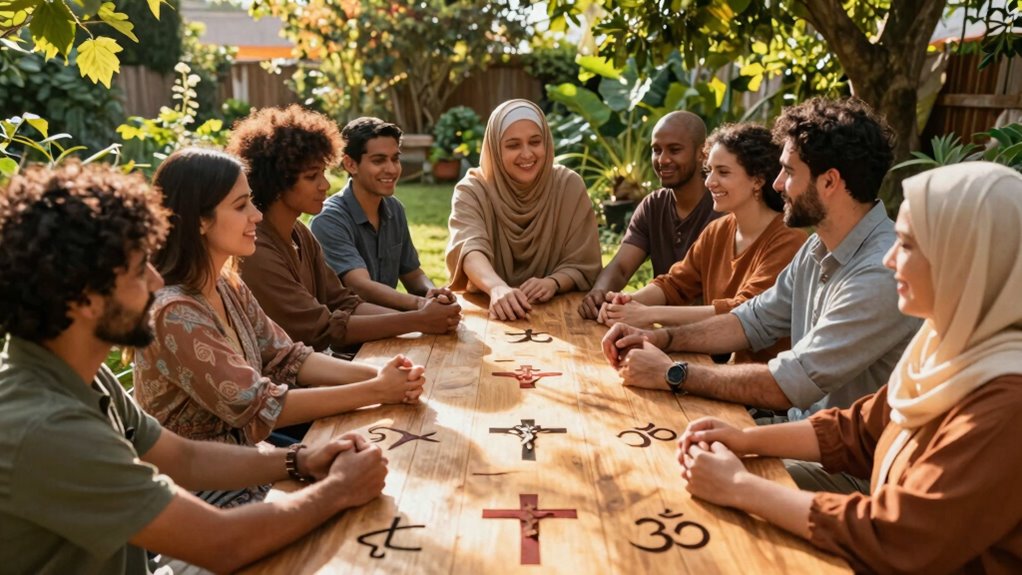

Interfaith homes create respectful spaces where diverse beliefs coexist peacefully, fostering unity without erasing genuine differences. You can build bonds through shared rituals, stories, and mutual understanding, emphasizing respect and common values like kindness and justice. These homes encourage curiosity and spiritual exploration, helping everyone feel valued and heard. By practicing this in your life, you contribute to broader harmony. Keep exploring how these homes can shape more inclusive communities and peaceful interactions.

Get the little things that make your day delivered free — and shop member deals
- Fast, free delivery on millions of items
- Access to Prime Big Deal Days deals on October 6–7
- Prime Video, Amazon Music and more included
Key Takeaways
- Interfaith homes foster respect and understanding without blending religious identities, emphasizing shared human values.
- Rituals and storytelling within interfaith homes reinforce bonds while honoring individual spiritual practices.
- Creating safe, curious environments encourages exploration and appreciation of diverse beliefs.
- Intentional boundaries and respectful communication help maintain harmony and prevent conflicts.
- Interfaith homes promote broader community harmony by exemplifying coexistence rooted in respect and shared values.
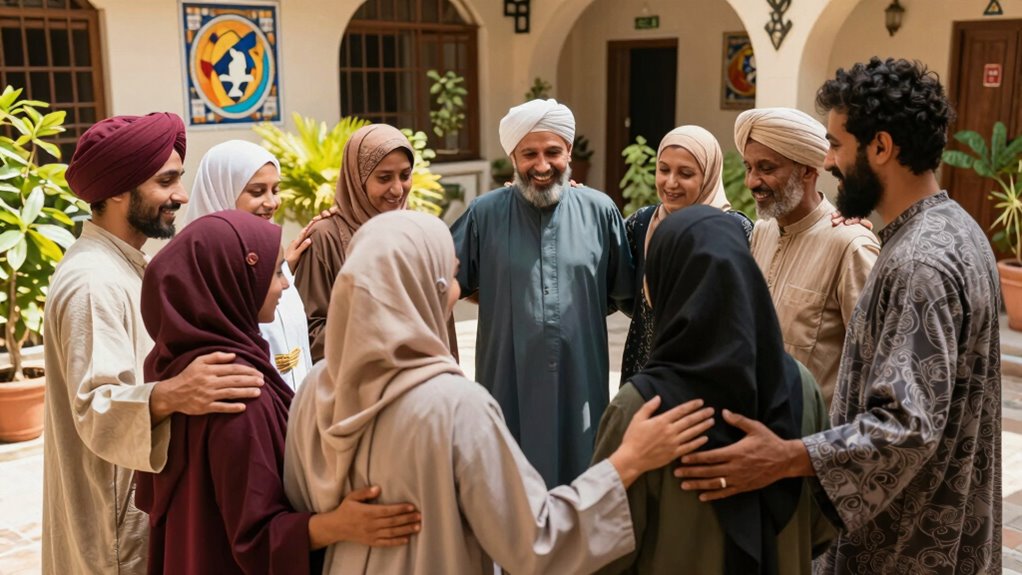
Have you ever wondered how different faith communities can live together in harmony? It’s a question that often comes up in today’s diverse world, and the answer lies in fostering genuine interfaith dialogue and nurturing religious coexistence. Interfaith homes serve as a powerful symbol of this harmony, providing a space where people of different beliefs can come together without compromising their individual faiths. These homes aren’t about blending or diluting religious identities; instead, they emphasize respect, understanding, and shared values. When you open your home for interfaith dialogue, you create an environment where differences are celebrated rather than feared. You’re encouraging conversations that break down stereotypes and build bridges of empathy. This approach helps everyone involved see beyond superficial distinctions and recognize the common moral principles that underpin many faiths, such as compassion, kindness, and justice.
Building interfaith homes requires intentional effort. It’s about establishing boundaries that honor each person’s spiritual needs while fostering a sense of unity. You might find that small practices, like observing different religious rituals or sharing stories from your faith traditions, can strengthen bonds. These acts demonstrate that religious coexistence isn’t about erasing differences but about acknowledging and respecting them. As you participate in interfaith dialogue within your home, you’ll notice that mutual understanding grows, and conflict diminishes. It becomes easier to address misunderstandings before they escalate because everyone feels valued and heard. Recognizing religious diversity as an integral part of community life helps to cultivate an environment of acceptance and mutual respect.
Creating an interfaith home also involves setting a tone of openness and curiosity. When you welcome questions and encourage learning about each other’s beliefs, you create a safe space for growth. This environment supports the idea that faith is deeply personal yet can be shared in ways that enrich everyone involved. Your home becomes a sanctuary for shared spiritual exploration, where the focus isn’t on convincing others of your perspective but on appreciating different paths to meaning. In doing so, you help foster a culture of religious coexistence that can ripple outward into your community. The more you practice interfaith dialogue at home, the more natural it becomes to carry this spirit into broader interactions, promoting peace and understanding in a world often divided by religious differences. Embracing religious coexistence in daily life can contribute significantly to creating more inclusive and harmonious societies.
Ultimately, interfaith homes show that building unity doesn’t mean erasing differences. Instead, it’s about creating a space where diversity is embraced and respected, and where people can live peacefully despite their differing beliefs. Your home then becomes a testament to the possibility of harmony rooted in respect, understanding, and shared human values.
As an affiliate, we earn on qualifying purchases.
Frequently Asked Questions
How Are Religious Practices Respected in Shared Living Spaces?
In shared living spaces, you respect religious practices by accommodating cultural celebrations and prayer rituals. You create designated areas for prayer and guarantee quiet times during religious activities. You encourage open communication about each person’s traditions, so everyone feels included. By observing dietary restrictions and participating in or acknowledging cultural celebrations, you foster mutual respect and understanding, making the shared environment harmonious while honoring each person’s spiritual practices.
What Conflicts Have Arisen in Interfaith Homes, and How Are They Resolved?
Conflicts in interfaith homes often stem from misunderstandings, differing traditions, and expectations. You resolve these issues through open interfaith dialogue, fostering mutual respect, and practicing cultural sensitivity. By actively listening and acknowledging each other’s beliefs, you create a harmonious environment. Emphasizing common values, setting clear boundaries, and encouraging patience help maintain peace, ensuring everyone feels respected, understood, and valued in shared living spaces.
How Do Interfaith Homes Address Dietary and Worship Needs?
You find that interfaith homes address dietary accommodations by creating shared meals that respect each faith’s restrictions and preferences. They also honor worship practices by designing flexible spaces for prayer and reflection, allowing residents to observe their traditions comfortably. Communication is key, so you actively discuss each person’s needs and work together to find solutions that honor everyone’s beliefs, fostering unity without erasing individual differences.
What Role Do Community Leaders Play in Interfaith Housing Initiatives?
Community leaders play a essential role in interfaith housing initiatives by fostering open interfaith dialogues and promoting cultural integration. You’ll see them organizing forums and events that encourage understanding, respect, and collaboration among diverse faith groups. Their leadership helps address potential conflicts, build trust, and create inclusive environments. Through their efforts, they guarantee that different traditions coexist peacefully, strengthening the community’s unity while honoring and preserving individual faith identities.
Are Interfaith Homes More Successful in Urban or Rural Areas?
You’ll find that interfaith homes tend to be more successful in urban areas, where diverse populations foster active interfaith dialogue and cultural integration. Urban settings provide a natural environment for people from different backgrounds to connect, share experiences, and build understanding. In contrast, rural areas may face challenges due to limited diversity. So, the success of interfaith homes often hinges on the community’s openness to embracing cultural differences and promoting dialogue.
Conclusion
As you step into an interfaith home, you’re entering a sanctuary where diverse threads weave a vibrant tapestry of understanding. These spaces don’t erase differences; they celebrate them, like stars shining brighter together in the night sky. By embracing unity within diversity, you become part of a living mosaic—each piece essential, each hue unique. In building bridges, you find that true harmony is born from honoring every individual’s light, illuminating a path toward shared peace.
NFL season / tailgating Picks
team gear
As an affiliate, we earn on qualifying purchases.