You can create a meaningful pilgrimage at home by blending local cultural traditions with universal spiritual themes. Designate a special space with symbols or objects that reflect your heritage and set intentions for reflection, prayer, or meditation. Incorporate traditional foods, music, or storytelling to deepen your connection. Transform daily routines into sacred acts, turning your home into a site of renewal and discovery. Exploring these practices reveals how local customs connect with global spirituality—keep exploring for more insights.
Key Takeaways
- Create a sacred space at home with symbols, objects, and rituals to foster reflection and spiritual connection.
- Incorporate cultural traditions like traditional foods, music, and prayers to honor heritage and deepen meaning.
- Use storytelling, sacred texts, and journaling to reflect on personal and cultural spiritual journeys.
- Connect with your cultural identity through inherited practices and rituals that honor ancestors.
- Transform daily routines into intentional rituals to turn everyday activities into pilgrimage-like experiences.

Have you ever wondered how to create a meaningful pilgrimage experience without leaving your home? It’s possible to tap into the essence of pilgrimage—spiritual renewal and cultural traditions—right where you are. You don’t need to travel thousands of miles; instead, you can craft a personal journey that reconnects you with your inner self and the rich heritage of your community. This approach allows you to honor your beliefs and traditions in a deeply personal way, making your spiritual practice more intentional and meaningful.
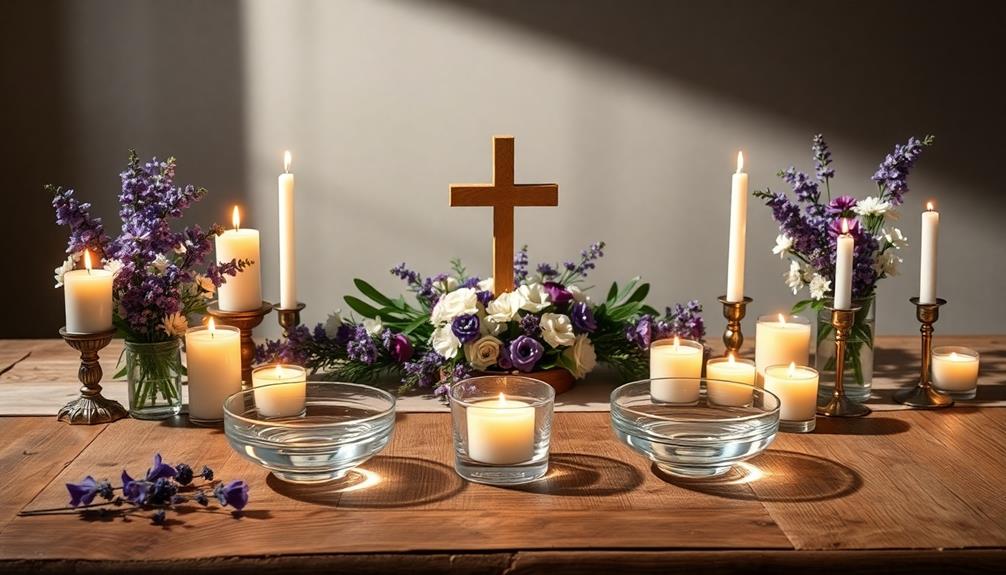
Start by designating a space in your home as your sacred area. This could be a corner with symbols, images, or objects that resonate with your faith or cultural background. Creating this space helps you establish a physical environment conducive to reflection, prayer, or meditation. Use it to set intentions for your pilgrimage, such as seeking clarity, forgiveness, or peace. This small act transforms your home into a sacred site, a place where your spiritual renewal can flourish. The act of preparing this space is itself a part of your cultural traditions—many faiths and communities have rituals for consecrating a space, which can deepen your connection and sense of reverence.
Designate a sacred space at home to foster reflection, set intentions, and deepen your spiritual connection.
Incorporate elements of your cultural traditions into your at-home pilgrimage. This might mean cooking traditional foods, listening to sacred music, or reciting prayers and chants from your heritage. These practices serve to ground you in your cultural identity and deepen your understanding of your spiritual roots. For example, lighting candles, burning incense, or using specific colors can evoke a sense of sacredness and focus your mind. Engaging with these customs helps you experience spiritual renewal, as you reconnect with practices passed down through generations. It’s a way to honor your ancestors and keep their traditions alive, even from the comfort of your home. Additionally, understanding the 16PF traits associated with different personality types can enhance your awareness of your own tendencies during this reflective process.
Another powerful way to foster a pilgrimage at home is through storytelling and reflection. Read sacred texts, watch documentaries about your cultural traditions, or share stories with family members. These activities deepen your understanding and help you feel part of a larger spiritual community. Journaling your thoughts and experiences during this time can also be transformative, allowing you to process your reflections and track your growth. This act of intentional reflection becomes a journey inward, mirroring the outward pilgrimage but within the sanctuary of your own space.
Ultimately, creating a pilgrimage at home is about making space for spiritual renewal and honoring cultural traditions. It’s a conscious effort to connect with your faith, your heritage, and your inner self. By doing so, you transform everyday routines into sacred rituals, turning your home into a place of pilgrimage that offers renewal, insight, and a profound sense of connection.

ZenBless Multifunction Incense and Candle Holder for Burning Sage, Palo Santo, Incense Sticks – 5.9" Ceramic Ash Catcher Tray for Meditation Room Home Decor Spritual Gifts (Gold)
Multi-Purpose DESIGN: this multi-functional incense burner can be used as incense holder, palo santo burner, sage burner and…
As an affiliate, we earn on qualifying purchases.
As an affiliate, we earn on qualifying purchases.
Frequently Asked Questions
How Can I Create a Meaningful Pilgrimage Experience Locally?
To create a meaningful pilgrimage experience locally, start with meditative rituals that help you reflect and connect spiritually. Incorporate symbolic gestures, like lighting candles or offering flowers, to deepen your sense of devotion. Choose a familiar place that holds personal significance, and set intentional goals for your journey. Engaging in these practices can transform an ordinary location into a sacred space, fostering a profound sense of purpose and connection.
What Materials or Symbols Are Important in Home-Based Pilgrimages?
You might find that spiritual symbols and sacred objects deepen your home-based pilgrimage. Items like candles, crosses, prayer beads, or statues hold symbolic meaning, connecting you to your faith or tradition. These objects act as tangible reminders of your spiritual journey, helping you focus and feel sacred presence. Incorporate symbols that resonate personally, as their significance transforms your space into a meaningful, reflective pilgrimage site.
How Do Cultural Differences Influence Local Pilgrimage Practices?
Cultural differences shape local pilgrimage practices by influencing the way people express their faith and traditions. You’ll notice variations in cultural expressions, rituals, and symbols that reflect each community’s unique history and beliefs. These tradition variations guarantee that each pilgrimage feels meaningful and authentic, allowing you to connect deeply with local customs. Embracing these differences enhances your understanding of diverse spiritual practices and highlights the rich tapestry of global religious expressions.
Can Children Participate in Pilgrimage Traditions at Home?
Imagine children donning tiny pilgrim hats, enthusiastically joining family rituals like mini-adventurers. Yes, children can participate in pilgrimage traditions at home, often making it more meaningful. Their involvement in family rituals fosters spiritual growth and cultural understanding. By actively engaging, they learn the significance behind customs, creating lasting memories. So, don’t keep them on the sidelines—let their curiosity and enthusiasm be part of the sacred journey.
What Are Common Challenges in Practicing Pilgrimage Locally?
You might face challenges like low community engagement, which can make local pilgrimage practices feel isolated or less meaningful. Resource limitations also pose a problem, as funding, space, or materials may be scarce, preventing full participation. To overcome these issues, you can foster stronger community connections and seek creative ways to utilize available resources, ensuring that local pilgrimage traditions remain vibrant and inclusive despite obstacles.

Canton Spirituals – The Greatest Hits
As an affiliate, we earn on qualifying purchases.
As an affiliate, we earn on qualifying purchases.
Conclusion
As you embrace local practices, you realize that pilgrimage isn’t about traveling miles—it’s about transforming your everyday surroundings into sacred spaces. By connecting deeply with your community and traditions, you hold the power to create a spiritual experience that’s as profound as any distant journey. Your home becomes a universe of meaning, where every ritual can inspire awe and wonder, proving that sometimes, the most extraordinary journeys happen right where you are.

HEM Lavender Incense Sticks – Pack of 120 | Hand-Rolled in India | Soothing Floral Aroma for Relaxation, Stress Relief, Meditation, Yoga, Prayer & Home Fragrance
Soothing Lavender Aroma – Sweet, floral fragrance known to relax the mind, reduce stress, and uplift the spirit.
As an affiliate, we earn on qualifying purchases.
As an affiliate, we earn on qualifying purchases.

Wyspell Witchcraft Supplies Kit for Witch Altar 54PCS – Spell Candles for Witches – Crystals Spell Jars for Witches – Herbs for Spells – Beginner Witch Starter Box – Witchcraft Kit
ALL-IN-ONE WITCHCRAFT KIT — Includes 14 dried herbs for witchcraft, 14 healing crystals in jars, 12 colored spell…
As an affiliate, we earn on qualifying purchases.
As an affiliate, we earn on qualifying purchases.