Choosing the right podcast microphone for a home studio can significantly impact your sound quality and recording ease. The RØDE NT1 stands out as the best overall for its pristine audio clarity and low self-noise, ideal for serious podcasters. The Blue Yeti USB remains a popular choice for its versatility and plug-and-play ease, making it a great pick for beginners. Meanwhile, the AKG P120 offers a budget-friendly option without sacrificing too much on performance. As these options highlight, tradeoffs often involve balancing sound quality, versatility, and price. Keep reading for an in-depth comparison to find the best fit for your home studio setup.

Get the little things that make your day delivered free with Prime
- Fast, free delivery on millions of items
- Prime Video, Amazon Music and more included
- Member-only deals all year
Complete the kit

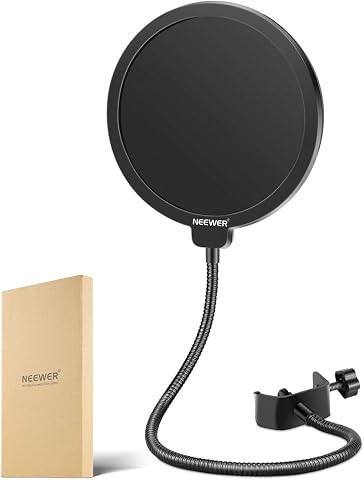
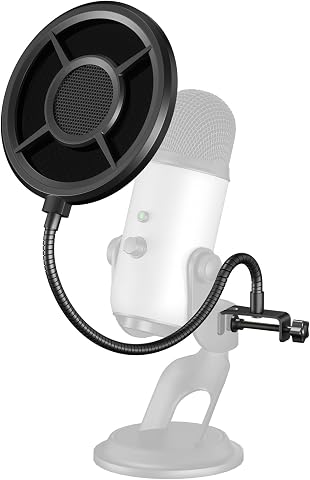
Key Takeaways
- The top picks differentiate mainly through audio quality, connectivity options, and user-friendliness.
- USB microphones generally offer easier setup, while XLR mics provide higher quality but require additional equipment.
- The best value choices balance affordability with decent sound performance, ideal for beginners.
- Professional-grade mics like the RØDE NT1 excel in noise floor and clarity, suitable for serious podcasters.
- Versatility in pickup patterns and features like mute buttons enhance recording flexibility and convenience.
| MAONO PD200W Hybrid Wireless Podcast Microphone for PC, Dynamic XLR USB Mic |  | Best Versatile Connectivity | Connectivity: Wireless, USB, XLR | Capsule Size: 30mm | Pickup Pattern: Cardioid | VIEW ON AMAZON | See Our Full Breakdown |
| Audio-Technica AT2020 Cardioid Condenser Studio XLR Microphone, Black |  | Best for Sound Quality and Isolation | Connectivity Technology: Wired (XLR) | Frequency Response: 20 Hz – 20 kHz | Signal-to-Noise Ratio: 74 dB | VIEW ON AMAZON | See Our Full Breakdown |
| FIFINE T669 Studio Condenser USB Microphone for Recording and Podcasting |  | Best for Easy Setup and Versatility | Connection: USB | Frequency Response: Wide | Included Accessories: Boom arm, pop filter, shock mount | VIEW ON AMAZON | See Our Full Breakdown |
| MAONO A04 USB Microphone, 192kHz/24Bit Condenser Mic Kit for PC Podcast |  | Best High-Resolution Recording | Connectivity Technology: USB, USB Type-C | Sampling Rate: 192kHz/24Bit | Included Accessories: Pop filter, shock mount, arm | VIEW ON AMAZON | See Our Full Breakdown |
| MAONO HD300T USB XLR Dynamic Podcast Microphone |  | Best for Dual Connectivity and Complete Kit | Connectivity Technology: USB, XLR | Polar Pattern: Super Cardioid | Frequency Response: 20 KHz | VIEW ON AMAZON | See Our Full Breakdown |
| Maono PM320S Condenser PC Microphone with XLR Cable, Boom Arm, Pop Filter |  | Best All-in-One Studio Kit for Serious Content Creators | Power Source: 48V phantom power | Capsule Size: 16mm | Frequency Response: 20 Hz – 20 kHz | VIEW ON AMAZON | See Our Full Breakdown |
| Logitech Blue Yeti USB Microphone for PC, Mac, Gaming, Recording, Streaming, Podcasting, Studio and Computer Condenser Mic with Blue VO!CE Effects, 4 Pickup Patterns, Plug and Play – Blackout | 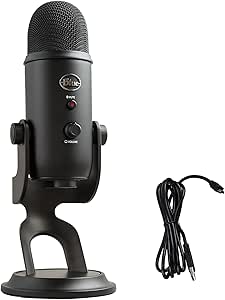 | Most Versatile USB Mic for Multi-Use Content Creation | Pickup Patterns: Cardioid, Omni, Bidirectional, Stereo | Connectivity: USB | Software: Blue VO!CE | VIEW ON AMAZON | See Our Full Breakdown |
| FIFINE K669B USB Microphone, Condenser Recording Mic for Vocals, Meetings |  | Best Budget-Friendly USB Mic for Clear Voice and Meetings | Connection: USB-A | Cable Length: 5.9 feet | Design: Metal | VIEW ON AMAZON | See Our Full Breakdown |
| ZealSound Podcast Microphone for PC, Noise Cancellation USB Mic with Gain, Volume Adjustment & Mute Button, Monitoring & Echo, for YouTube, TikTok, Podcasting, Streaming, iPhone, iPad, Android, Mac |  | Best Multi-Device USB Mic with Noise Cancellation and Monitoring | Frequency Response: 40Hz–18kHz | Sampling Rate: 46kHz | Sensitivity: –45dB ±3dB | VIEW ON AMAZON | See Our Full Breakdown |
| FIFINE AmpliTank K688CT Podcast Microphone Kit, USB/XLR Dynamic Vocal Mic |  | Best Versatile Kit for Beginners and Intermediate Users | Connectivity Technology: USB, XLR | Signal-to-Noise Ratio: 80 db | Frequency Response: 16 KHz | VIEW ON AMAZON | See Our Full Breakdown |
| MAONO A04 Gen2 XLR/USB Condenser Microphone Kit for PC and Podcast Recording |  | Best Versatile Recording Solution | Connectivity: XLR and USB | Sampling Rate: 192kHz/24bit | Frequency Response: 30Hz-16kHz | VIEW ON AMAZON | See Our Full Breakdown |
| AKG Pro Audio P120 Condenser Microphone |  | Best Budget-Friendly Professional Sound | Polar Pattern: Cardioid | Frequency Bandwidth: 20 – 20000 Hz | Equivalent Noise Level: 19 dB-A | VIEW ON AMAZON | See Our Full Breakdown |
| RØDE NT1 Signature Series Studio Condenser Microphone, Black |  | Best for Professional Vocal Clarity | Type: Condenser Microphone | Color: Black | Included Accessories: Shock mount, pop filter, XLR cable, dust cover | VIEW ON AMAZON | See Our Full Breakdown |
| podcast microphone for home studio | Frequency Response | Included Accessories |
|---|---|---|
| MAONO PD200W Hybrid Wireless P | — | — |
| Audio-Technica AT2020 Cardioid | 20 Hz – 20 kHz | — |
| FIFINE T669 Studio Condenser U | Wide | Boom arm, pop filter, shock mount |
| MAONO A04 USB Microphone | — | Pop filter, shock mount, arm |
| MAONO HD300T USB XLR Dynamic P | 20 KHz | Stand, shock mount, pop filter |
| Maono PM320S Condenser PC Micr | 20 Hz – 20 kHz | Boom arm, shock mount, pop filter, XLR cable |
| Logitech Blue Yeti USB Microph | — | — |
| FIFINE K669B USB Microphone | — | — |
| ZealSound Podcast Microphone f | 40Hz–18kHz | — |
| FIFINE AmpliTank K688CT Podcas | 16 KHz | Boom arm, shock mount, windscreen |
| MAONO A04 Gen2 XLR/USB Condens | 30Hz-16kHz | Pop filter, foam windscreen, shock mount, adjustable arm stand, boom arm base, USB cable, user manual |
| AKG Pro Audio P120 Condenser M | — | — |
| RØDE NT1 Signature Series Stud | — | Shock mount, pop filter, XLR cable, dust cover |
More Details on Our Top Picks
MAONO PD200W Hybrid Wireless Podcast Microphone for PC, Dynamic XLR USB Mic
The MAONO PD200W stands out for its hybrid design, combining wireless, USB, and XLR connections, making it highly adaptable for different recording setups. Compared with the FIFINE T669, which is a straightforward USB-only option, the PD200W offers greater flexibility at a slightly higher complexity. Its noise cancellation and high SPL handling ensure clear, studio-quality sound, even for loud sources. The long battery life and stable 60m wireless range make it ideal for mobile or multi-location podcasts. However, its RGB lighting customization and camera accessories are less relevant for pure audio use and may appeal less to those seeking simplicity. This model is perfect for podcasters and streamers who need flexibility across multiple devices and venues. Still, it might be overkill for beginners or those with a fixed home setup.
Pros:- Versatile connectivity including wireless, USB, and XLR
- Studio-quality sound with noise cancellation
- Supports dual microphones for interviews or duo podcasts
- Long battery life with up to 60 hours of operation
Cons:- Camera/lighting accessories sold separately
- RGB lighting customization may not appeal to all users
Best for: Podcasters or streamers who require flexible, multi-platform connectivity and mobility.
Not ideal for: Beginners seeking a simple, plug-and-play microphone without the need for wireless or XLR options.
- Connectivity:Wireless, USB, XLR
- Capsule Size:30mm
- Pickup Pattern:Cardioid
- Signal-to-Noise Ratio:82dB
- Wireless Range:60m
- Battery Life:up to 60 hours
Our verdict“This microphone is best suited for users who need multi-platform flexibility and mobility in their home studio setup.”
Audio-Technica AT2020 Cardioid Condenser Studio XLR Microphone, Black
The Audio-Technica AT2020 is a reliable choice for home studio users prioritizing sound fidelity and durability. Its low-mass diaphragm delivers extended frequency response, making it ideal for capturing detailed vocals and instruments. Compared to the MAONO A04, which offers high-resolution digital recording, the AT2020’s analog XLR design emphasizes sound quality and professional-grade performance, though it requires phantom power and an external interface. Its cardioid pattern reduces side and rear noise, making it well-suited for untreated rooms. However, it lacks USB connectivity, meaning it’s less convenient for plug-and-play use and may need additional equipment. It’s a solid pick for those who want high-quality, focused sound in a dedicated studio environment, and are willing to invest in an interface. Less ideal for beginners without existing audio gear or for those seeking simple USB operation.
Pros:- Excellent sound quality with extended frequency response
- Handles high SPLs, suitable for vocals and instruments
- Durable metal construction
- Effective cardioid pattern for sound isolation
Cons:- Requires phantom power and external audio interface
- No included accessories such as shock mount or pop filter
Best for: Home studio users with existing audio interfaces seeking professional-quality sound.
Not ideal for: Beginners or those looking for a simple, all-in-one USB microphone for quick setup.
- Connectivity Technology:Wired (XLR)
- Frequency Response:20 Hz – 20 kHz
- Signal-to-Noise Ratio:74 dB
- Impedance:200 ohm
- Power Source:Phantom Power
- Color:Black
Our verdict“This microphone suits home musicians and podcasters with existing gear who prioritize sound fidelity and durability.”
FIFINE T669 Studio Condenser USB Microphone for Recording and Podcasting
The FIFINE T669 offers a straightforward USB plug-and-play experience, making it a top choice for beginners and casual content creators. Its wide frequency response ensures clear vocals, and the included accessories—such as a boom arm, pop filter, and shock mount—allow for a professional-looking setup without extra purchases. Compared with the MAONO A04, which emphasizes high-resolution recording, the T669 prioritizes ease of use and affordability. While it’s compatible with PCs and laptops, it’s less suited for gaming consoles like Xbox, and ambient noise pickup can be an issue if not properly positioned. Still, this microphone provides a balanced combination of features and simplicity. This pick makes the most sense for newcomers or those creating content on a budget who want quick setup and decent quality. It’s less ideal for advanced users needing studio-grade fidelity or console gaming.
Pros:- Easy plug-and-play USB connection
- Includes a complete recording kit with boom arm and pop filter
- Wide frequency response for clear vocals
- Sturdy adjustable arm for flexible positioning
Cons:- Incompatible with Xbox consoles
- May pick up ambient noise if not positioned carefully
Best for: Beginners and casual podcasters seeking an easy-to-use USB microphone with included accessories.
Not ideal for: Professional streamers or musicians requiring high-end sound fidelity and advanced features.
- Connection:USB
- Frequency Response:Wide
- Included Accessories:Boom arm, pop filter, shock mount
- Compatibility:PC, Laptop
Our verdict“Ideal for beginners looking for a simple, all-in-one solution to start podcasting or streaming quickly.”
MAONO A04 USB Microphone, 192kHz/24Bit Condenser Mic Kit for PC Podcast
The MAONO A04 excels with its professional-grade 192kHz/24Bit sampling, making it ideal for users demanding high-resolution audio for streaming, voice-overs, or podcasting. Its large 16mm capsule and cardioid polar pattern provide focused, crisp sound, and the included accessories—a pop filter, shock mount, and adjustable arm—add versatility to any setup. Compared to the FIFINE T669, which offers ease of use, the A04 emphasizes high fidelity, but this can introduce setup challenges for less experienced users. Its all-metal construction promises durability, while compatibility spans PCs, Macs, PS4, PS5, and mobile devices. Still, it’s not designed for Xbox or environments where quick setup is essential. This microphone is best for serious content creators who need professional sound quality and are comfortable with a slightly more involved setup process. It may be less suitable for casual or novice users.
Pros:- High-resolution 192kHz/24Bit sound quality
- Includes comprehensive accessories for versatile setup
- Durable all-metal build
- Wide compatibility across devices
Cons:- Not compatible with Xbox consoles
- Setup may be challenging for less experienced users
Best for: Content creators seeking high-resolution audio quality and willing to handle a more complex setup.
Not ideal for: Beginners or those who need a quick, straightforward microphone for casual use.
- Connectivity Technology:USB, USB Type-C
- Sampling Rate:192kHz/24Bit
- Included Accessories:Pop filter, shock mount, arm
- Compatibility:PC, Mac, PS4, PS5, Mobile
Our verdict“Perfect for advanced users and professionals prioritizing high-fidelity sound over ease of setup.”
MAONO HD300T USB XLR Dynamic Podcast Microphone
The MAONO HD300T offers a unique combination of USB and XLR outputs, making it adaptable for various setups—from simple home use to professional streaming. Its super cardioid pattern helps reduce background noise, and the included desktop kit—stand, shock mount, and pop filter—provides a ready-to-go solution. Compared with the Audio-Technica AT2020, which emphasizes sound quality and durability, the HD300T offers greater flexibility with dual connectivity and real-time monitoring. However, it requires an external power source and might be more complex for beginners unfamiliar with XLR systems. Its frequency response of 20KHz ensures clear vocals, yet the 80dB signal-to-noise ratio can be limiting for demanding applications. This makes sense for users who want a versatile, all-in-one microphone that can grow with their setup, especially in streaming or podcasting contexts. It’s less suited for those seeking a simple plug-and-play experience.
Pros:- Supports both USB and XLR for maximum flexibility
- Includes complete desktop recording kit
- Zero-latency monitoring and volume control
- Good noise reduction with cardioid pattern
Cons:- Requires external power source
- Dual connectivity can be more complex for novices
Best for: Content creators who need a flexible microphone with both USB and XLR options and are comfortable with a more involved setup.
Not ideal for: Beginners or casual users who prefer a single connection type and minimal setup.
- Connectivity Technology:USB, XLR
- Polar Pattern:Super Cardioid
- Frequency Response:20 KHz
- Included Accessories:Stand, shock mount, pop filter
- Signal-to-Noise Ratio:80 dB
Our verdict“Ideal for streamers and podcasters who want a versatile microphone capable of evolving with their setup.”
Maono PM320S Condenser PC Microphone with XLR Cable, Boom Arm, Pop Filter
The Maono PM320S stands out for delivering professional-grade sound with a large 16mm condenser capsule, making it ideal for those who want studio-quality recordings without compromising on ease of setup. Unlike the Blue Yeti, which is more plug-and-play but less suited for dedicated studio environments, the PM320S requires external phantom power but compensates with superior noise rejection and sound fidelity. The included boom arm, shock mount, and pop filter create a comprehensive package that appeals to users who prioritize a ready-to-go setup. A key tradeoff is its reliance on an external 48V phantom power supply and lack of USB connectivity, limiting portability. This pick makes the most sense for serious home studio users or podcasters wanting high-quality, professional sound in a complete kit.
Pros:- Studio-grade sound quality with a large condenser capsule
- All-in-one kit including boom arm, shock mount, and pop filter
- Excellent noise rejection thanks to cardioid pattern and shock mount
Cons:- Requires external 48V phantom power supply, adding setup complexity
- XLR connection reduces portability and limits use with simple plug-and-play devices
Best for: Home studio owners and serious content creators seeking professional studio sound with all accessories included
Not ideal for: Beginners or casual streamers who prefer USB plug-and-play setups or need portability without extra equipment
- Power Source:48V phantom power
- Capsule Size:16mm
- Frequency Response:20 Hz – 20 kHz
- Polar Pattern:Cardioid
- Connectivity:XLR
- Included Accessories:Boom arm, shock mount, pop filter, XLR cable
Our verdict“This microphone is best suited for dedicated home studio users who want high-quality audio and are okay with extra setup steps.”
Logitech Blue Yeti USB Microphone for PC, Mac, Gaming, Recording, Streaming, Podcasting, Studio and Computer Condenser Mic with Blue VO!CE Effects, 4 Pickup Patterns, Plug and Play – Blackout
The Blue Yeti excels for its versatility, offering four pickup patterns—cardioid, omni, bidirectional, and stereo—that cover nearly every recording scenario, making it ideal for streamers and podcasters who need adaptability. Compared to the FIFINE K669B, which is simpler and more affordable, the Blue Yeti offers onboard controls and Blue VO!CE effects that elevate audio quality and creative options without requiring additional software. Its bulky desktop stand can occupy significant space, and the need for the Logitech G HUB software for full functionality may be a downside for some users. The plug-and-play nature combined with professional effects makes this perfect for those who want flexibility and ease of use in a single device.
Pros:- Four versatile pickup patterns for different recording needs
- Onboard controls and Blue VO!CE effects enhance sound quality easily
- Plug and play with simple USB connection for quick setup
Cons:- Requires Logitech G HUB software for full feature access
- Bulkier desktop stand may hinder compact workspace use
Best for: Content creators and streamers who need a flexible, easy-to-use microphone with onboard effects for various recording scenarios
Not ideal for: Users with limited desk space or those seeking a lightweight, portable microphone for mobile setups
- Pickup Patterns:Cardioid, Omni, Bidirectional, Stereo
- Connectivity:USB
- Software:Blue VO!CE
- Controls:Headphone volume, pattern selection, mute, gain
- Stand:Desktop stand included
- Compatibility:PC, Mac
Our verdict“This microphone is ideal for streamers and podcasters who value flexibility and professional effects in a straightforward USB package.”
FIFINE K669B USB Microphone, Condenser Recording Mic for Vocals, Meetings
The FIFINE K669B offers a straightforward, durable design for users seeking clear voice recordings, making it a strong contender for casual podcasters or remote workers. Its simple plug-and-play USB connection ensures easy setup on both PC and Mac, comparable to the FIFINE AmpliTank K688CT, but with less complexity. While it lacks advanced features like multiple pickup patterns, its cardioid capsule effectively reduces background noise, providing crisp audio for meetings and streaming. Its 5.9-foot cable offers flexibility in positioning, though it’s limited to USB-A, which could require adapters for some setups. Overall, it’s a solid budget option with reliable performance for everyday use.
Pros:- Easy to set up with USB-A plug-and-play connection
- Durable metal construction for longevity
- Built-in volume control for quick adjustments
Cons:- Limited to USB-A connection, may need adapters
- No multiple pickup patterns or advanced effects
Best for: Casual podcasters, remote workers, and streamers who want clear audio without complicated features or high cost
Not ideal for: Enthusiasts seeking professional studio-quality sound or users who need versatile pickup patterns
- Connection:USB-A
- Cable Length:5.9 feet
- Design:Metal
- Compatibility:PC, Mac, PS4, PS5
- Pickup Pattern:Cardioid
Our verdict“This microphone is ideal for those needing reliable, clear voice capture on a tight budget with minimal fuss.”
The ZealSound K66 offers impressive versatility with its USB-C and Lightning adapters, making it suitable across a wide range of devices from PCs to smartphones. Its high-performance condenser capsule with noise cancellation modes makes it stand out for streamers and podcasters who need clear, focused voice capture. Unlike the Blue Yeti, which offers multiple pickup patterns, the ZealSound emphasizes noise reduction and real-time monitoring, which is beneficial in noisy environments. The complex setup and multiple physical controls could be overwhelming for beginners, but for experienced users, they provide precise control over audio quality. Its ability to connect to diverse devices makes it particularly appealing for mobile content creators.
Pros:- Excellent noise reduction features for clear sound
- Wide device compatibility including mobile and gaming devices
- Real-time monitoring with zero latency
Cons:- Setup can be complex for inexperienced users
- Limited to USB connectivity without XLR options
Best for: Podcasters and streamers who need high-quality, noise-reduced audio across multiple devices including smartphones and computers
Not ideal for: Beginners or those looking for a simple, plug-and-play USB microphone without extra controls
- Frequency Response:40Hz–18kHz
- Sampling Rate:46kHz
- Sensitivity:–45dB ±3dB
- Connectivity:USB-C, Lightning
- Monitoring:3.5mm headphone jack
- Controls:Gain, monitoring volume, echo, mute
Our verdict“This microphone suits experienced content creators seeking versatile, noise-controlled recording across multiple platforms.”
FIFINE AmpliTank K688CT Podcast Microphone Kit, USB/XLR Dynamic Vocal Mic
The FIFINE AmpliTank K688CT combines USB and XLR connectivity, providing flexibility for users who want to upgrade their setup over time. Its included boom arm, shock mount, and noise reduction features make it suitable for streaming, gaming, and recording, especially for those just starting out or advancing to more professional audio. Compared to the Maono PM320S, which targets serious studio use, this kit emphasizes ease of use and versatility, though it may require additional equipment for full XLR control. The disabled function keys when using XLR can limit immediate adjustments, but overall, it offers a balanced entry point for those wanting both simplicity and expandability in a microphone kit.
Pros:- Dual USB and XLR connectivity for future upgradeability
- Includes essential accessories like boom arm and shock mount
- Good noise reduction and high SPL handling for clear recordings
Cons:- Function keys are disabled in XLR mode, limiting immediate controls
- Setup and adjustments can be complex for less experienced users
Best for: Beginners and intermediate users seeking a dual USB/XLR microphone kit with accessories for versatile recording
Not ideal for: Advanced users who require extensive XLR control or professional-grade studio setup without extra equipment
- Connectivity Technology:USB, XLR
- Signal-to-Noise Ratio:80 db
- Frequency Response:16 KHz
- Maximum Frequency:16 KHz
- Included Accessories:Boom arm, shock mount, windscreen
- Color:Black
Our verdict“This kit offers a flexible upgrade path and solid features for those starting out or expanding their podcasting setup.”
MAONO A04 Gen2 XLR/USB Condenser Microphone Kit for PC and Podcast Recording
The MAONO A04 Gen2 stands out for its dual XLR and USB connectivity, making it ideal for those who want a flexible setup that can adapt to different recording environments. Compared with the RØDE NT1, it offers more versatility, especially for users who may switch between USB convenience and professional XLR gear. Its high-resolution 192kHz/24bit sampling rate delivers crisp, detailed audio, which is crucial for podcast clarity. The included accessories—pop filter, shock mount, and adjustable arm—add value, reducing additional costs and setup time. However, the absence of an XLR cable and the need for phantom power in XLR mode are potential hurdles for beginners or those with limited equipment. This pick makes the most sense for content creators who want a comprehensive, all-in-one kit that can grow with their setup, but less so for users just starting with basic USB microphones.
Pros:- Dual XLR and USB connectivity for maximum flexibility
- High-resolution 192kHz/24bit sampling for professional-quality sound
- Includes essential accessories for quick setup
- Effective noise reduction features
Cons:- XLR cable not included, adding extra cost
- Requires phantom power for XLR mode, which could complicate setup
- Less suitable for Xbox gamers due to compatibility issues
Best for: Podcasters and content creators seeking flexible connectivity and professional sound without extra purchases
Not ideal for: Beginners who only need a simple plug-and-play USB microphone, as they might find the XLR setup confusing or unnecessary
- Connectivity:XLR and USB
- Sampling Rate:192kHz/24bit
- Frequency Response:30Hz-16kHz
- Polar Pattern:Cardioid
- Capsule Size:16mm
- Included Accessories:Pop filter, foam windscreen, shock mount, adjustable arm stand, boom arm base, USB cable, user manual
- Compatibility:Laptop, PC, audio interface, audio mixer, PS4/PS5, mobile phones
- Desk Clamp Compatibility:Less than 2.1 inches thickness
Our verdict“This microphone is ideal for versatile creators who want professional-grade sound with adaptable connectivity options.”
AKG Pro Audio P120 Condenser Microphone
The AKG P120 offers a solid entry point into quality home studio recording, especially for those who find the RØDE NT1 too expensive or complex. While it doesn’t feature multiple polar patterns, its cardioid design ensures focused recording of vocals and instruments, making it suitable for basic podcast setups. Its high SPL handling up to 150 dB means it can capture loud sources without distortion, a benefit over some lower-tier mics. The durable build supports long-term use, and compatibility with standard audio interfaces makes it easy to integrate into existing setups. However, the need for an external XLR interface and limited polar pattern options can restrict versatility for more advanced users. This microphone is ideal for beginners or hobbyists who want reliable sound without extra bells and whistles, but less so for multi-pattern professional studios.
Pros:- Clear, detailed sound suitable for vocals and instruments
- High SPL handling up to 150 dB prevents distortion on loud sources
- Durable construction for long-term use
- Compatible with common audio interfaces
Cons:- Requires an external XLR interface, increasing overall cost
- Limited to cardioid polar pattern, reducing versatility
- No included accessories for easy setup
Best for: Budget-conscious podcasters or musicians looking for a dependable, straightforward condenser microphone
Not ideal for: Users seeking versatile polar patterns or a plug-and-play USB setup, as it relies on external interface and has limited pattern options
- Polar Pattern:Cardioid
- Frequency Bandwidth:20 – 20000 Hz
- Equivalent Noise Level:19 dB-A
- Sensitivity:24 mV/Pa
- Signal to Noise:75 dB-A
- Preattenuation Pad:-20 dB
- Bass Cut Filter:300 Hz – 6 dB/octave
- Electrical Impedance:<= 200 Ohms
Our verdict“This microphone is a reliable, budget-friendly choice for those willing to invest in an audio interface for quality sound capture.”
RØDE NT1 Signature Series Studio Condenser Microphone, Black
The RØDE NT1 is designed for those prioritizing pristine vocal recordings, making it a prime choice for streamers and serious podcasters. Its low self-noise ensures recordings are exceptionally clean, rivaling more expensive studio mics. Unlike the AKG P120 or the MAONO A04, it includes a comprehensive kit—shock mount, pop filter, XLR cable, and dust cover—saving additional purchases. This microphone excels in capturing vocals with rich detail, especially suited to streaming and professional podcasts. The main tradeoff is its higher price point and the need for an external interface, making it less accessible for beginners on a tight budget. It’s best for creators who want a complete, high-end vocal setup and are prepared for a more substantial investment.
Pros:- Extremely low self-noise for pristine recordings
- Complete setup included, ready for professional use
- Excellent for vocals, streaming, and podcasting
- High build quality and durability
Cons:- Requires an external audio interface, increasing overall cost
- More expensive than entry-level microphones
- Not ideal for those seeking a plug-and-play solution
Best for: Professional streamers and podcasters aiming for studio-quality vocals and willing to invest in a complete setup
Not ideal for: Entry-level users or those seeking a simple USB microphone, as it requires additional equipment and a higher budget
- Type:Condenser Microphone
- Color:Black
- Included Accessories:Shock mount, pop filter, XLR cable, dust cover
- Polar Pattern:Cardioid
- Self-Noise:Among the lowest ever made
Our verdict“This microphone suits creators who prioritize professional vocal clarity and are prepared for a more complex setup and higher price.”

How We Picked
These microphones were selected based on a combination of performance, build quality, ease of use, and value. We prioritized models that deliver clear, professional sound suitable for spoken word and podcasting at home. Additional factors included connectivity options—USB for simplicity, XLR for expandability—and user-friendly features like mute switches or multiple pickup patterns. We also considered customer reviews and brand reputation to ensure reliability. The ranking reflects the balance between professional quality and accessibility for home studio creators.Factors to Consider When Choosing Podcast Microphone For Home Studio
When choosing a podcast microphone for a home studio, it’s essential to consider several factors that impact your recording experience and overall sound quality. The right microphone depends on your budget, technical familiarity, and the type of content you produce. Making informed choices can prevent costly mistakes and ensure your setup grows with your needs.Connectivity Options: USB vs. XLR
USB microphones are plug-and-play, ideal for beginners or those who want a simple setup. They connect directly to your computer and require minimal additional gear. XLR microphones, on the other hand, offer professional-grade sound and expandability but need an audio interface, increasing complexity and cost. Consider your technical comfort and future plans when choosing between these options—USB is more straightforward, while XLR can deliver higher quality for serious recording.
Sound Quality and Noise Floor
For podcasting, clarity and low self-noise are vital. Condenser microphones generally provide richer, more detailed sound, but they can pick up more background noise, making a controlled environment essential. Dynamic mics tend to reject ambient noise better, suitable for less controlled spaces. Evaluate your environment and recording needs—investing in a lower noise floor mic like the RØDE NT1 can elevate your audio quality significantly, especially if you record in a noisy setting.
Pickup Patterns and Versatility
The pickup pattern determines how much sound the mic captures from different directions. Cardioid patterns are standard for solo podcasts, rejecting sounds from the sides and rear. Multiple pattern mics, like the Blue Yeti, offer versatility for different recording scenarios, such as interviews or multi-person setups. If you plan to expand or need flexibility, choosing a microphone with switchable patterns provides extra adaptability without extra gear.
Build Quality and Durability
Since a home studio microphone is an investment, durability matters. Look for models with solid construction, metal housings, and reliable connectors. Cheaper plastic-bodied mics may save money initially but could suffer from wear and tear, especially if moved frequently. A well-built mic like the AKG P120 balances affordability with sturdy design, ensuring it lasts through years of use.
Additional Features and Accessories
Features like mute switches, gain control, and headphone monitoring add convenience and improve your workflow. Many microphones come with accessories such as pop filters, boom arms, or shock mounts—these can improve audio quality and comfort during long sessions. Weigh the importance of these extras versus your budget and whether they justify extra costs, especially for entry-level setups.
Frequently Asked Questions
Should I choose a USB or XLR microphone for my home studio?
Choosing between USB and XLR depends on your technical comfort and future plans. USB microphones are easier to set up and perfect for beginners or those with limited space, providing decent audio quality with minimal fuss. XLR microphones require an audio interface and more setup but offer superior sound quality and greater flexibility for expanding your studio. If you anticipate upgrading or want the best possible sound, investing in an XLR mic now can be a better long-term choice.
Is a condenser microphone better than a dynamic microphone for podcasting?
Condenser microphones typically capture more detail and produce richer sound, making them popular for studio recordings. However, they are more sensitive and pick up background noise, which can be problematic in less controlled environments. Dynamic microphones are less sensitive and better at rejecting ambient noise, making them suitable for noisy spaces. Your choice should depend on your environment and the sound quality you desire—if your space is quiet, a condenser like the RØDE NT1 offers excellent clarity.
Can I use a gaming microphone for podcasting?
Many gaming microphones, like the Blue Yeti, are well-suited for podcasting because of their versatility and ease of use. They often feature multiple pickup patterns and onboard controls, making them convenient for beginners. However, some gaming mics may have a less professional sound compared to dedicated studio mics, and their build quality varies. If you want a more polished sound, investing in a microphone designed specifically for recording can provide noticeable improvements.
Do I need a pop filter or shock mount for my microphone?
Adding a pop filter helps reduce plosive sounds that can cause distortion, especially with condenser mics. A shock mount minimizes vibrations and handling noise, ensuring cleaner recordings. While these accessories are not always mandatory, they can significantly improve your audio quality and are worth considering if you want a professional sound. Many entry-level mics include these accessories or are compatible with affordable options, making them a smart investment.
How much should I expect to spend on a good podcast microphone?
Quality podcast microphones range widely in price, from around $50 for basic models to over $300 for professional-grade equipment. Entry-level options like the FIFINE K669B or Maono A04 provide decent sound at lower prices, suitable for beginners. Mid-range models such as the Audio-Technica AT2020 or FIFINE AmpliTank K688CT balance affordability and performance. High-end microphones like the RØDE NT1 or AKG P120 are best suited for those seeking studio-quality sound and willing to invest more.
Conclusion
For newcomers or those on a budget, the FIFINE T669 or Maono A04 offer reliable performance without breaking the bank. Serious podcasters aiming for professional sound should consider the RØDE NT1 or AKG P120, which provide excellent clarity and durability. Content creators who want versatility and ease of use might prefer the Blue Yeti, especially if they plan to record in different setups or with multiple voices. Ultimately, your choice depends on your budget, environment, and future ambitions—select the microphone that best aligns with your home studio goals.
Halloween Picks
halloween
As an affiliate, we earn on qualifying purchases.