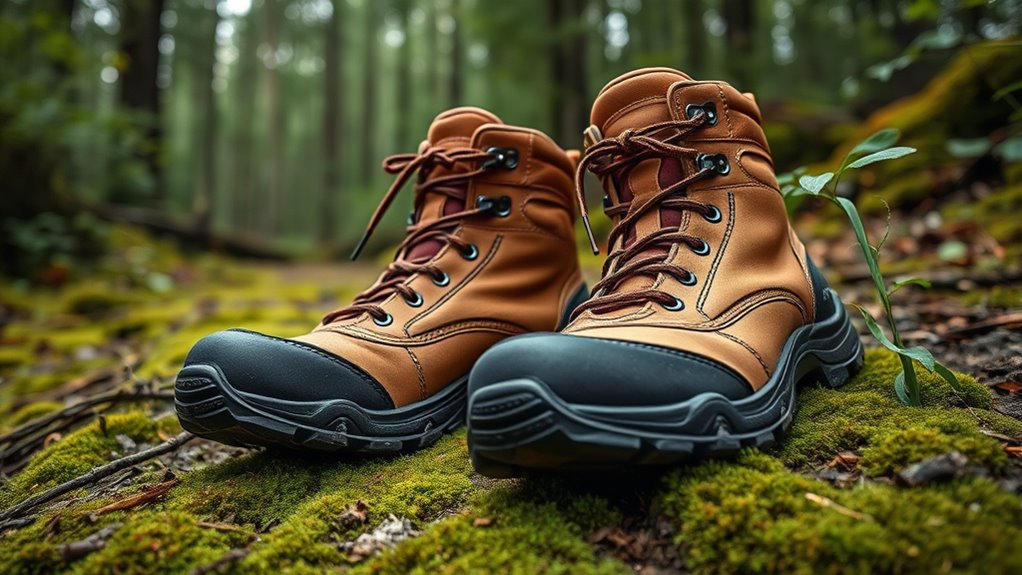
Choosing the right premium hiking boots balances ankle support, waterproof integrity, and weight. My top overall pick is the Salomon X Ultra 5 Mid GTX for its unmatched blend of trail-running agility and hiking stability. For those needing heavy-duty protection on rugged terrain, the Zamberlan VIOZ GTX offers superior durability, while the Danner Mountain 600 ID provides exceptional comfort for long-distance treks. The main tradeoff in this category is often between weight and support; lighter boots sacrifice ankle stability, while heavily reinforced models can feel cumbersome on well-maintained paths. Read on to see which of these fourteen models aligns with your specific trail conditions and foot shape.

Get the little things that make your day delivered free with Prime
- Fast, free delivery on millions of items
- Prime Video, Amazon Music and more included
- Member-only deals all year
Key Takeaways
- The Salomon X Ultra 5 Mid GTX dominates the all-around category by bridging the gap between hiking support and athletic agility, whereas traditional leather boots like the Zamberlan VIOZ excel only in rough, rocky terrain.
- Waterproofing membranes like Gore-Tex are standard across most premium picks, but breathability varies widely; models with heavy leather uppers tend to run hotter than synthetic-heavy options like the Columbia Transverse.
- Fit consistency is a major differentiator; brands like Merrell and Salomon offer more predictable sizing for wide feet compared to the narrower lasts of Danner and Zamberlan.
- Mid-top boots provide the best compromise for most hikers, offering sufficient ankle protection without the stiffness and break-in period required by full-height mountaineering boots.
- Value is not always about the lowest price; mid-range options like the NORTIV 8 offer decent performance for occasional use, but they lack the sole durability and long-term support of the Timberland Premium line.
| Columbia Men’s Transverse Hike Waterproof |  | Best Lightweight All-Weather Pick | Sole material: Rubber | Shaft height: Ankle | Shaft circumference: 1 inch | VIEW ON AMAZON | See Our Full Breakdown |
| Zamberlan VIOZ GTX Men’s Boot |  | Best for Demanding, Support-Focused Hikes | Origin: Made in the USA or imported | Sole material: Rubber | Shaft height: Calf high | VIEW ON AMAZON | See Our Full Breakdown |
| Columbia Women’s Newton Ridge Plus Waterproof Amped Hiking Boot |  | Best for Lightweight Day Hikes | Fabric type: EVA | Origin: Imported | Sole material: Rubber | VIEW ON AMAZON | See Our Full Breakdown |
| Men’s Waterproof Hiking Boots Non-Slip Lightweight Mid Top Ankle Boots Breathable Trekking Shoes |  | Best Feature-Packed Lightweight Alternative | Fabric type: Synthetic suede and fabric | Origin: Imported | Sole material: Synthetic rubber | VIEW ON AMAZON | See Our Full Breakdown |
| Salomon X Ultra 5 Mid GTX |  | Best for Lateral Stability and Quick Lacing | Midsole: EVA foam | Support system: Advanced Chassis | Outsole: All Terrain Contagrip | VIEW ON AMAZON | See Our Full Breakdown |
| Columbia Women’s Transverse Suede Hiking Shoes |  | Best Lightweight Daily Hiker | Waterproof Technology: OMNI-TECH | Upper Material: Leather and mesh | Midsole Cushioning: TECHLITE | VIEW ON AMAZON | See Our Full Breakdown |
| Timberland Men’s Flume Mid Waterproof Hiking Boot |  | Best Rugged Work-Hike Hybrid | Upper Material: Waterproof Premium Timberland Leather | Lining: Mesh | Insole: EVA footbed | VIEW ON AMAZON | See Our Full Breakdown |
| NORTIV 8 Men’s Waterproof Lightweight Hiking Boots |  | Best Budget-Friendly Entry Point | Outer Material: Suede, Faux Leather | Sole Material: EVA, Rubber | Shaft Height: Ankle | VIEW ON AMAZON | See Our Full Breakdown |
| Danner Men’s Mountain 600 ID Gore-Tex Hiking Boots |  | Best Premium Comfort & Fit | Lining: Gore-Tex | Outer Material: Nylon | Midsole: Vibram SPE | VIEW ON AMAZON | See Our Full Breakdown |
| Timberland Men’s White Ledge Mid Waterproof Hiking Boots |  | Best Classic All-Rounder | Material: Waterproof Timberland Leather | Lining: ReBOTL fabric | Insole/Midsole: EVA | VIEW ON AMAZON | See Our Full Breakdown |
| Timberland Men’s Britton Road Waterproof Boot |  | Best for Cold-Weather Urban Trails | Sole material: Rubber | Shaft height: Ankle | Shaft circumference: 9.75 inches | VIEW ON AMAZON | See Our Full Breakdown |
| Timberland Men’s Premium 6-inch Waterproof Boot |  | Best for Rugged Durability and Heavy Loads | Shaft height: 6 inches | Shaft circumference: 9.75 inches | Material: Premium waterproof nubuck leather | VIEW ON AMAZON | See Our Full Breakdown |
| Columbia Men’s Newton Ridge Plus II Suede Waterproof Hiking Boot |  | Best Value for All-Around Trail Use | Origin: Imported | Sole material: Rubber | Shaft circumference: 9.42 inches | VIEW ON AMAZON | See Our Full Breakdown |
| Merrell Men’s Moab 3 Mid Waterproof Hiking Boots |  | Best for Breathability and Comfort | Sole material: Rubber | Shaft height: Mid | Shaft circumference: 4 inches | VIEW ON AMAZON | See Our Full Breakdown |
| premium hiking boot | Sole material | Shaft circumference | Shaft height |
|---|---|---|---|
| Columbia Men’s Transverse Hike | Rubber | 1 inch | Ankle |
| Zamberlan VIOZ GTX Men’s Boot | Rubber | 6 inches | Calf high |
| Columbia Women’s Newton Ridge | Rubber | Less than 6 inches | — |
| Men’s Waterproof Hiking Boots | Synthetic rubber | — | — |
| Salomon X Ultra 5 Mid GTX | Rubber | — | — |
| Columbia Women’s Transverse Su | Rubber | — | Ankle |
| Timberland Men’s Flume Mid Wat | Rubber | 9.25 Inches | Ankle |
| NORTIV 8 Men’s Waterproof Ligh | EVA, Rubber | 30.8 Centimeters | Ankle |
| Danner Men’s Mountain 600 ID G | Rubber | — | — |
| Timberland Men’s White Ledge M | — | 9.75 Inches | Ankle |
| Timberland Men’s Britton Road | Rubber | 9.75 inches | Ankle |
| Timberland Men’s Premium 6-inc | — | 9.75 inches | 6 inches |
| Columbia Men’s Newton Ridge Pl | Rubber | 9.42 inches | — |
| Merrell Men’s Moab 3 Mid Water | Rubber | 4 inches | Mid |
More Details on Our Top Picks
Columbia Men’s Transverse Hike Waterproof
The Columbia Men’s Transverse Hike Waterproof suits hikers who want ankle-height coverage without the bulk of a taller leather boot. Its waterproof, breathable construction is paired with Techlite impact absorption, a combination intended to keep feet drier while softening repeated steps. Compared with the more substantial Zamberlan VIOZ GTX, the Transverse prioritizes a lighter feel and easier everyday wear over calf-high coverage and full-grain leather construction. The Omni-Grip rubber sole adds multi-terrain traction, making it a practical choice for mixed-condition day hikes. The tradeoff is less coverage around the ankle than the Zamberlan, and the supplied details do not specify upper materials beyond durable leather and mesh. I’d choose it for moderate hikes, not for buyers seeking a tall, highly structured boot.
Pros:- Waterproof and breathable construction suits hikes in damp conditions.
- Techlite impact absorption is designed to soften repeated steps.
- Omni-Grip rubber outsole provides traction across varied terrain.
- Ankle-height design offers less bulk than a calf-high boot.
Cons:- Ankle-height coverage may not suit hikers seeking more protection around the lower leg.
- The supplied specifications do not identify the exact upper-material composition.
- The listing provides limited detail about fit and support structure.
Best for: Day hikers who want waterproof ankle-height footwear with cushioning and traction for changing conditions.
Not ideal for: Hikers who want calf-high coverage or the more substantial full-grain leather build of the Zamberlan VIOZ GTX.
- Sole material:Rubber
- Shaft height:Ankle
- Shaft circumference:1 inch
- Waterproof:Yes
- Breathable:Yes
- Impact absorption:Techlite
- Traction:Omni-Grip
Our verdict“Choose the Transverse for a lighter, waterproof ankle-height hiking option, and choose the Zamberlan VIOZ GTX if you want taller coverage and a full-grain leather build.”
Zamberlan VIOZ GTX Men’s Boot
The Zamberlan VIOZ GTX is the most substantial choice here for hikers who value supportive construction and materials built for repeated use. Its full-grain, Hydrobloc-treated leather and Gore-Tex Performance Comfort membrane pair weather protection with a more traditional boot build. The ZFS system is designed to allow forward flex while retaining lateral support, while the Vibram 3D outsole and PU midsoles target durable traction underfoot. Compared with the lighter, ankle-height Columbia Men’s Transverse Hike Waterproof, the VIOZ offers calf-high coverage and a more structured feel, but that construction can add bulk and weight. It makes more sense for hikers seeking support on longer or rougher outings than for casual walks or buyers who prize a minimal, easy-moving boot.
Pros:- Full-grain leather upper has a durable, substantial construction.
- Gore-Tex Performance Comfort membrane provides waterproof, breathable protection.
- ZFS is designed to allow forward flex while retaining lateral support.
- Vibram 3D outsole and PU midsoles provide a traction-focused platform.
Cons:- Calf-high construction adds bulk and may feel heavy to some hikers.
- The substantial build is less suited to buyers seeking a lightweight boot for casual outings.
- The listing does not provide a boot weight or fit details.
Best for: Hikers who want a supportive, calf-high leather boot with a waterproof membrane for longer outings and rougher trails.
Not ideal for: Casual day hikers or buyers who prefer lightweight, low-bulk footwear like the Columbia Men’s Transverse Hike Waterproof.
- Origin:Made in the USA or imported
- Sole material:Rubber
- Shaft height:Calf high
- Shaft circumference:6 inches
- Upper material:Full-grain leather with Hydrobloc treatment
- Collar lining:Microtex wicking nylon
- Waterproof membrane:Gore-Tex Performance Comfort
- Outsole and midsole:Vibram 3D outsole with PU midsoles
- Flex system:ZFS (Zamberlan Flex System)
Our verdict“Pick the VIOZ GTX if you want tall coverage, leather construction, and supportive trail features, but favor the Columbia Transverse for a lighter ankle-height option.”
Columbia Women’s Newton Ridge Plus Waterproof Amped Hiking Boot
The Columbia Women’s Newton Ridge Plus Waterproof Amped makes the most sense for hikers who want a straightforward waterproof boot with cushioning and reinforced high-wear areas. Its TECHLITE midsole is designed to keep the feel light, while the reinforced toe and heel add protection where trail contact can wear footwear down. The Omni-GRIP non-marking rubber outsole gives it a clear traction focus. Compared with the more structured, full-grain leather Zamberlan VIOZ GTX, the Newton Ridge is positioned as a lighter, less substantial option for everyday hikes rather than a calf-high boot for demanding routes. That easier-wearing design comes with less detail about upper materials and no stated shaft height, so buyers seeking substantial lower-leg coverage should check the fit and coverage before choosing it.
Pros:- Waterproof construction helps protect feet in wet conditions.
- TECHLITE midsole provides lightweight cushioning.
- Omni-GRIP non-marking rubber outsole is designed for varied terrain.
- Reinforced toe and heel areas add protection in high-contact zones.
Cons:- The listed shaft circumference does not clarify shaft height or how much ankle coverage to expect.
- Upper-material details are not specified in the supplied product data.
- Its lightweight build may be less appealing than a more substantial boot for buyers prioritizing structure.
Best for: Women seeking a lightweight, waterproof boot for day hikes, with cushioning and reinforced toe and heel areas.
Not ideal for: Hikers who need specified calf-high coverage or the substantial full-grain leather construction of the Zamberlan VIOZ GTX.
- Fabric type:EVA
- Origin:Imported
- Sole material:Rubber
- Shaft circumference:Less than 6 inches
- Midsole technology:TECHLITE
- Waterproof:Yes
- Traction:Omni-GRIP non-marking rubber outsole
- Reinforced areas:Toe and heel
Our verdict“Choose the Newton Ridge Plus Amped for cushioned waterproof day hikes, while the Zamberlan VIOZ GTX is the better fit for buyers seeking a taller, more substantial boot.”
Men’s Waterproof Hiking Boots Non-Slip Lightweight Mid Top Ankle Boots Breathable Trekking Shoes
This mid-top waterproof hiking boot stands out for practical comfort features at a lighter listed weight: 1.25 pounds in size 10. A removable memory-foam insole and flexible EVA midsole offer cushioning, while the closed-cell tongue and waterproof sealing are intended to limit water entry. The rubber toe cap adds a layer of protection, and the breathable lining aims to help manage warmth. Compared with the Salomon X Ultra 5 Mid GTX, this boot spells out its cushioning and closure details but does not name a recognized waterproof membrane or outsole system. Its synthetic suede and fabric construction may also be less durable than the full-grain leather Zamberlan VIOZ GTX. I’d consider it for budget-conscious hikers drawn to its lightweight, adjustable design, but not for buyers who want detailed material credentials or a premium leather build.
Pros:- Listed weight of 1.25 pounds in size 10 supports a lighter-footwear preference.
- Removable memory-foam insole allows the insole to be taken out.
- Flexible EVA midsole and breathable lining target everyday comfort.
- Rubber toe cap and closed-cell tongue add protective design features.
Cons:- Synthetic suede and fabric may not offer the long-term durability of the Zamberlan VIOZ GTX’s full-grain leather.
- Waterproof membrane and outsole are not identified by a recognized branded system in the supplied data.
- The description notes that the boots may need a break-in period.
Best for: Hikers who want a lightweight mid-top with a removable cushioned insole and stated waterproof construction for casual trails and camping.
Not ideal for: Frequent hikers seeking a full-grain leather boot or named membrane and outsole systems, such as those specified for the Zamberlan VIOZ GTX.
- Fabric type:Synthetic suede and fabric
- Origin:Imported
- Sole material:Synthetic rubber
- Weight:1.25 lb (size 10)
- Waterproof membrane:SL-TEX
- Lining:D01 breathable lining
- Insole:Removable memory foam
- Midsole:Flexible EVA
- Design features:Lace-up, closed-cell tongue, rubber toe cap, waterproof sealing
Our verdict“Choose this boot for a light, cushioned mid-top with practical protection, but choose the Zamberlan VIOZ GTX for specified premium leather and named waterproof and outsole systems.”
Salomon X Ultra 5 Mid GTX
The Salomon X Ultra 5 Mid GTX is the lineup’s stability-focused option, pairing an Advanced Chassis with an all-terrain Contagrip outsole. That combination is intended to help the boot feel controlled across uneven ground, while the quickLACE closure makes tightening and adjusting the fit less involved than a conventional lace system. Its EVA foam midsole and textile lining keep the design oriented toward cushioned trail use. Compared with the Zamberlan VIOZ GTX, the Salomon emphasizes chassis support and fast lacing over a specified full-grain leather upper and calf-high coverage. The supplied specs do not list a waterproof membrane, despite the GTX name, so I would verify the exact waterproofing details before relying on it in sustained wet weather. The listing also notes that weight may be a concern for some buyers.
Pros:- Advanced Chassis is designed to provide lateral stability.
- All Terrain Contagrip outsole targets traction across varied surfaces.
- quickLACE closure allows fast adjustment.
- EVA foam midsole and textile lining support a cushioned trail-focused design.
Cons:- The supplied specifications do not identify a waterproof membrane, so wet-weather protection is unclear from the data provided.
- The listing notes that the boot may feel heavy to some users.
- Textile upper materials are less explicitly substantial than the VIOZ GTX’s specified full-grain leather.
Best for: Hikers who prioritize lateral stability, trail traction, and a quick-adjust closure for varied routes.
Not ideal for: Buyers who need clearly specified waterproof-membrane details or want the full-grain leather and calf-high coverage listed for the Zamberlan VIOZ GTX.
- Midsole:EVA foam
- Support system:Advanced Chassis
- Outsole:All Terrain Contagrip
- Lining:Textile
- Upper material:Textile
- Sole material:Rubber
- Inner material:Leather
- Closure:quickLACE
Our verdict“Pick the X Ultra 5 Mid GTX for chassis stability and quick lacing, but favor the Zamberlan VIOZ GTX if clearly specified waterproof protection and a leather upper are priorities.”
Columbia Women’s Transverse Suede Hiking Shoes
This model stands out as a hybrid shoe-boot, bridging the gap between casual sneakers and serious trekking gear. Unlike the heavier Timberland Men’s Flume Mid, the Transverse prioritizes agility and reduced weight, making it ideal for well-maintained trails where ankle support is less critical. The OMNI-TECH waterproofing is reliable for light rain, but it lacks the robust insulation found in winter-specific models. I find the TECHLITE cushioning offers a springy feel that reduces fatigue on long, flat sections, whereas competitors like the Danner Mountain 600 offer more rigid stability for rocky ascents. This is a smart choice for those who value speed over rugged protection.
Pros:- Exceptionally lightweight for a waterproof boot
- Responsive TECHLITE cushioning reduces foot fatigue
- OMNI-GRIP provides reliable traction on dirt and gravel
Cons:- Low-cut design offers minimal ankle protection
- Mesh upper may wear faster than full leather alternatives
- Not suitable for deep mud or snow
Best for: Women who prioritize comfort and speed on moderate, non-technical trails
Not ideal for: Backpackers carrying heavy loads or those needing high ankle support on uneven terrain
- Waterproof Technology:OMNI-TECH
- Upper Material:Leather and mesh
- Midsole Cushioning:TECHLITE
- Outsole Traction:OMNI-GRIP
- Shaft Height:Ankle
- Sole Material:Rubber
- Key Features:Metal hardware, cushioned collar
Our verdict“This is the perfect choice for casual hikers who want waterproof protection without the bulk of a traditional boot.”
Timberland Men’s Flume Mid Waterproof Hiking Boot
The Flume Mid occupies a unique niche by blending work-boot durability with hiking ergonomics. Compared to the sleeker Timberland White Ledge, the Flume offers a more aggressive outsole pattern suited for rocky, uneven ground. The Premium Timberland Leather upper is thick and protective, resisting abrasion better than the nylon constructs found in the Danner Mountain 600. However, this robustness comes at a cost: the boot feels stiffer and heavier than lighter competitors. The gusseted tongue effectively keeps debris out, a feature shared with the White Ledge but executed here with a more utilitarian aesthetic. It is a tough, no-nonsense option for those who need a boot that can handle both trail and job site.
Pros:- Thick leather upper resists scuffs and punctures
- Aggressive lugs provide confidence on loose rock
- Secure speed-lace hardware allows quick adjustments
Cons:- Noticeably heavier than lightweight trail shoes
- Stiff construction requires a longer break-in period
- Lacks dedicated insulation for freezing temperatures
Best for: Hikers who also need a durable boot for yard work or light manual labor
Not ideal for: Long-distance thru-hikers seeking maximum weight savings and flexibility
- Upper Material:Waterproof Premium Timberland Leather
- Lining:Mesh
- Insole:EVA footbed
- Hardware:Rustproof speed lace with lace hooks
- Sole Material:Rubber
- Shaft Height:Ankle
- Shaft Circumference:9.25 Inches
Our verdict“Choose this if you need a versatile, tough boot that performs equally well on rocky trails and in practical work settings.”
NORTIV 8 Men’s Waterproof Lightweight Hiking Boots
For those entering the hiking world without breaking the bank, the NORTIV 8 delivers surprising utility. While it lacks the premium brand heritage of Columbia or Timberland, its waterproof membrane and suede/faux leather construction hold up well in wet conditions. The ride is softer than the Merrell Moab due to the EVA midsole, but it sacrifices some lateral stability on steep sidehills. I find the initial fit can be stiff, requiring a break-in period that premium leather boots might avoid. Nevertheless, it serves as a competent all-rounder for beginners who want to test the waters before investing in high-end gear like the Salomon X Ultra 5.
Pros:- Effective waterproofing at an accessible price point
- Rugged outsole provides decent slip resistance
- Cushioned EVA midsole offers immediate comfort
Cons:- Synthetic materials may degrade faster than real leather
- Initial stiffness requires a break-in period
- Lacks the refined fit and support of premium competitors
Best for: Beginners looking for a capable, affordable first pair of waterproof hiking boots
Not ideal for: Advanced hikers requiring precise fit, advanced support, or extreme durability
- Outer Material:Suede, Faux Leather
- Sole Material:EVA, Rubber
- Shaft Height:Ankle
- Shaft Circumference:30.8 Centimeters
- Waterproofing:Waterproof membrane
- Traction:Multi-directional rubber
Our verdict“This is a solid starter boot that proves you do not need to spend a fortune to get reliable waterproof protection.”
Danner Men’s Mountain 600 ID Gore-Tex Hiking Boots
The Mountain 600 ID redefines comfort in the premium hiking category. Its Gore-Tex lining offers superior breathability compared to the standard membranes in the NORTIV 8 or Columbia Transverse. The standout feature is the Vibram SPE midsole paired with an OrthoLite footbed, creating a plush yet supportive platform that rivals dedicated running shoes. Unlike the stiffer Timberland Flume, the Mountain 600 feels flexible and adaptive right out of the box. While the price reflects its high-end construction, the reduction in foot fatigue over long distances makes it a compelling choice for serious day-hikers who value long-term comfort over rugged abrasion resistance.
Pros:- Gore-Tex lining ensures reliable waterproofing and breathability
- OrthoLite footbed provides exceptional long-term comfort
- Flexible design moves naturally with the foot’s stride
Cons:- Higher price point compared to entry-level options
- Nylon upper is less abrasion-resistant than thick leather
- May lack sufficient stiffness for heavy backpacking loads
Best for: Serious day-hikers who prioritize long-distance comfort and high-quality fit
Not ideal for: Those seeking a rugged, heavy-duty boot for rough, scree-filled terrain
- Lining:Gore-Tex
- Outer Material:Nylon
- Midsole:Vibram SPE
- Footbed:OrthoLite
- Sole Material:Rubber
- Color:Almond Butter
- Water Resistance:Waterproof
Our verdict“This is the premier choice for hikers who demand top-tier comfort and reliable Gore-Tex performance for long days on the trail.”
Timberland Men’s White Ledge Mid Waterproof Hiking Boots
The White Ledge remains an icon for a reason, offering a balanced mix of premium leather durability and everyday wearability. Compared to the more technical Danner Mountain 600, the White Ledge feels more traditional and robust, with a fully gusseted tongue that excels at keeping mud out. The ReBOTL lining adds an eco-friendly touch, though it may not breathe quite as well as Gore-Tex. It is heavier than the Columbia Transverse but offers significantly better ankle protection and structure. This boot is a reliable workhorse for mixed weather conditions, appealing to those who prefer the proven reliability of leather over modern synthetic composites.
Pros:- Premium leather upper offers excellent durability
- Gusseted tongue prevents debris entry effectively
- Rustproof hardware ensures long-term lace integrity
Cons:- Heavier than modern synthetic hiking shoes
- Breathability is lower than Gore-Tex competitors
- Limited style variations compared to trendier brands
Best for: Hikers who prefer traditional leather construction and versatile style
Not ideal for: Ultralight hikers or those who dislike the weight of full leather boots
- Material:Waterproof Timberland Leather
- Lining:ReBOTL fabric
- Insole/Midsole:EVA
- Shaft Height:Ankle
- Shaft Circumference:9.75 Inches
- Hardware:Rustproof speed lace
- Tongue:Fully gusseted
Our verdict“This classic boot is ideal for hikers who value the longevity and rugged appeal of traditional leather construction.”
Timberland Men’s Britton Road Waterproof Boot
This boot occupies a unique niche for hikers who prioritize warmth over technical agility. Unlike the Merrell Moab 3, which focuses on breathable mesh and lightweight movement, the Britton Road leans heavily into insulation with its PrimaLoft lining. This makes it significantly warmer for early morning starts or late autumn hikes, but it sacrifices ventilation on sunny days. The anti-fatigue technology provides a plush feel underfoot, similar to a comfortable sneaker, which is ideal for mixed terrain where you walk more than you climb. However, the seam-sealed waterproof construction means feet will get hotter faster than in the Columbia Newton Ridge Plus II. It is a robust choice for damp, cold conditions, but less versatile for high-output summer trekking.
Pros:- PrimaLoft insulation provides reliable warmth without excessive bulk
- Anti-fatigue technology offers superior all-day cushioning
- Seam-sealed construction ensures feet stay dry in puddles and rain
- Leather Working Group certified materials support sustainable sourcing
Cons:- Reduced breathability can lead to hot feet in mild weather
- Heavier than technical trail shoes designed for speed
- Less aggressive tread compared to dedicated mountain boots
Best for: Hikers who walk in cold, wet conditions and value thermal insulation and plush comfort over maximum breathability.
Not ideal for: Summer hikers or those with sweaty feet who need maximum airflow and a lighter, more agile shoe.
- Sole material:Rubber
- Shaft height:Ankle
- Shaft circumference:9.75 inches
- Insulation:PrimaLoft
- Waterproof:Yes
- Lining:Leather
Our verdict“Choose this if your trails are cold and wet, and you prefer a warm, cushioned boot over a lightweight, breathable one.”
The Premium 6-inch Waterproof Boot stands out for its Goodyear welt construction, a feature rarely found in lightweight hiking footwear. This design allows for resoling, extending the boot’s lifespan far beyond the Columbia Newton Ridge Plus II, which relies on glued construction. The triple-stitched seams and reinforced nubuck upper offer exceptional resistance to abrasion and scuffing, making it ideal for rough terrain or work-heavy outdoor environments. While the PrimaLoft insulation adds warmth, the added weight and stiffness mean it lacks the immediate break-in comfort of the Merrell Moab 3. It is a long-term investment piece, best suited for those who want a boot that lasts for years rather than seasons.
Pros:- Goodyear welt construction allows for professional resoling
- Triple-stitched seams provide superior durability against tear and wear
- Rust-resistant hardware maintains integrity in wet conditions
- Premium nubuck leather offers high resistance to abrasion
Cons:- Significantly heavier than modern lightweight hiking boots
- Requires a longer break-in period due to stiff construction
- Limited aesthetic options compared to trendier trail shoes
Best for: Outdoor workers or heavy-pack hikers who need a tough, resoleable boot that can withstand years of abuse.
Not ideal for: Lightweight day hikers who prefer a flexible, broken-in feel right out of the box.
- Shaft height:6 inches
- Shaft circumference:9.75 inches
- Material:Premium waterproof nubuck leather
- Insulation:PrimaLoft
- Outsole:Rubber lug with 10% plant-based materials
- Construction:Goodyear welt, triple-stitched
- Hardware:Rust-resistant
Our verdict“This is the buy-it-for-life option for those who prioritize structural integrity and repairability over lightweight convenience.”
Columbia Men’s Newton Ridge Plus II Suede Waterproof Hiking Boot
The Newton Ridge Plus II strikes a balance between cost and performance that is hard to beat. Compared to the Timberland Britton Road, it lacks heavy insulation, making it more versatile across seasons, though it sacrifices warmth in freezing temperatures. The OMNI-GRIP traction system provides reliable hold on loose gravel and mud, performing comparably to more expensive options. Its lightweight midsole reduces fatigue over long distances, offering a more agile feel than the stiff Timberland Premium 6-inch. While the suede upper requires more maintenance to keep looking sharp than nubuck, the overall package delivers exceptional utility for the average weekend hiker who needs a dependable, waterproof shoe without breaking the budget.
Pros:- OMNI-GRIP rubber outsole offers excellent traction on varied surfaces
- Lightweight midsole reduces energy expenditure on long walks
- Seam-sealed waterproof construction keeps feet dry in rain
- Adjustable lace-up system ensures a secure and customizable fit
Cons:- Suede material is prone to scuffing and requires regular care
- Lacks insulation, making it unsuitable for deep winter conditions
- Midsole may compress faster than premium EVA or polyurethane foams
Best for: Weekend hikers looking for a versatile, affordable, and waterproof boot for mixed terrain and three-season use.
Not ideal for: Winter hikers who need significant insulation or those who prioritize premium leather durability over value.
- Origin:Imported
- Sole material:Rubber
- Shaft circumference:9.42 inches
- Outer material:Leather (Suede)
- Waterproof:Yes
- Closure:Lace-up
- Traction system:OMNI-GRIP
Our verdict“A smart, no-nonsense choice for hikers who want reliable waterproofing and traction without paying for specialized winter or mountaineering features.”
Merrell Men’s Moab 3 Mid Waterproof Hiking Boots
The Moab 3 Mid is engineered for comfort and airflow, distinguishing itself from the heavier Timberland Premium 6-inch. Its pigskin leather and mesh upper allows heat to escape, keeping feet cooler during strenuous climbs where insulated boots like the Timberland Britton Road would overheat. The Vibram TC5+ outsole delivers precise grip on rocky surfaces, offering a more technical feel than the general-purpose rubber on the Columbia Newton Ridge. The Kinetic Fit ADVANCED insole provides immediate, customizable arch support, reducing the need for aftermarket orthotics. While it lacks the rugged durability of full-leather welted boots, its focus on agility and ventilation makes it a top contender for active hikers in moderate climates.
Pros:- Vibram TC5+ outsole provides superior grip on rock and root
- Mesh-infused upper enhances breathability and reduces weight
- Removable Kinetic Fit insole offers customizable arch support
- Protective toe cap shields feet from trail debris and impacts
Cons:- Mesh upper is less durable than full leather against abrasion
- Mid-cut shaft offers less ankle protection than high-top boots
- Not insulated, limiting utility in freezing temperatures
Best for: Active hikers who prioritize breathability, immediate comfort, and precise traction on rocky or technical trails.
Not ideal for: Winter hikers or those walking through deep mud who need a higher shaft and more insulation.
- Sole material:Rubber
- Shaft height:Mid
- Shaft circumference:4 inches
- Waterproof:Yes
- Upper material:Pigskin leather and mesh
- Insole:Kinetic Fit ADVANCED removable contoured insole
- Outsole:Vibram TC5+ rubber
- Additional features:Air Cushion in heel, bellows tongue, protective toe cap
Our verdict“Ideal for the active hiker who values a cool, comfortable, and agile boot for three-season adventures on technical terrain.”

How We Picked
I evaluated these fourteen models based on four core pillars: traction performance, waterproof durability, structural support, and comfort over long distances. Traction was assessed by the lug depth and rubber compound quality, which determines grip on wet rock and loose dirt. Waterproof integrity was judged not just by the presence of a membrane, but by the construction quality of the seams and the breathability tradeoffs. Structural support focused on the stiffness of the shank and the height of the collar, critical for preventing ankle rolls on uneven ground. Finally, comfort was analyzed through the midsole cushioning and insole quality, as these factors dictate fatigue levels after ten miles.
The ranking logic prioritizes versatility for the average hiker, meaning boots that perform well on mixed terrain rank higher than those specialized for extreme conditions. Products like the Salomon X Ultra 5 rank high because they handle light scrambling and long forest trails equally well. Conversely, heavy-duty boots like the Zamberlan VIOZ are ranked lower for general use despite their superior durability, as they are overkill for maintained trails and require a significant break-in period. Budget-conscious options were included to highlight where cost-cutting impacts long-term performance and safety.
| premium hiking boot | Sole material |
|---|---|
| Columbia Men’s Transverse Hike | Rubber |
| Zamberlan VIOZ GTX Men’s Boot | Rubber |
| Columbia Women’s Newton Ridge | Rubber |
| Men’s Waterproof Hiking Boots | Synthetic rubber |
| Salomon X Ultra 5 Mid GTX | Rubber |
| Columbia Women’s Transverse Su | Rubber |
| Timberland Men’s Flume Mid Wat | Rubber |
| NORTIV 8 Men’s Waterproof Ligh | EVA, Rubber |
| Danner Men’s Mountain 600 ID G | Rubber |
| Timberland Men’s White Ledge M | — |
| Timberland Men’s Britton Road | Rubber |
| Timberland Men’s Premium 6-inc | — |
| Columbia Men’s Newton Ridge Pl | Rubber |
| Merrell Men’s Moab 3 Mid Water | Rubber |
Factors to Consider When Choosing Premium Hiking Boots
Selecting the right boot requires understanding how construction materials and design choices impact your hike. This guide breaks down the technical aspects that separate a good boot from a great one.Understanding Ankle Support and Boot Height
Boot height directly correlates with ankle stability and freedom of movement. Low-cut boots offer maximum flexibility and are ideal for well-groomed trails, but they leave ankles exposed to twists on uneven ground. Mid-cut boots provide a sweet spot, offering enough collar height to prevent minor rolls without restricting stride length. This is why models like the Salomon X Ultra 5 are popular; they mimic the feel of a trail runner while adding necessary protection. High-cut boots are reserved for heavy loads or scrambling, but they can cause calf fatigue on flat terrain due to their stiffness. When choosing, consider your typical pack weight; if you carry more than 20 pounds, the added support of a mid or high-top is non-negotiable for injury prevention.
The Waterproofing and Breathability Tradeoff
Most premium hiking boots feature a waterproof membrane like Gore-Tex, but this technology creates a physical barrier that also traps heat. In hot, dry climates, a waterproof boot can cause excessive sweating, leading to blisters and discomfort. Non-waterproof boots with breathable mesh uppers, such as certain Columbia models, dry faster and keep feet cooler but offer zero protection in rain or mud. The decision should depend on your primary environment; if you hike in the Pacific Northwest, waterproofing is essential despite the heat. If you hike in the desert or summer mountains, prioritize ventilation. Remember that waterproof membranes eventually degrade with wear, so investing in a high-quality upper material can extend the life of the waterproofing.
Sole Stiffness and Traction Compounds
The outsole is the only part of the boot that touches the ground, making its composition critical. Softer rubber compounds provide better grip on wet rock but wear down faster on abrasive surfaces like gravel. Harder compounds last longer but can feel slippery on wet stone. Lug depth determines how well the boot digs into soft soil; deeper lugs are better for mud but feel unstable on hard-packed dirt. A stiff shank (the plate between the insole and outsole) provides stability for rocky terrain but reduces comfort on flat trails. Evaluate your typical trail surface; if you encounter loose gravel or mud, prioritize aggressive lugs and softer rubber. For rocky, technical terrain, a stiffer shank protects the footplate from sharp stones.
Break-In Periods and Material Choices
Traditional full-grain leather boots, like the Zamberlan VIOZ, offer unmatched durability and protection but often require weeks of break-in to mold to your foot. This can result in blisters and discomfort during the first few hikes. Synthetic uppers and nubuck leather, common in Merrell and Salomon models, are lighter and typically require little to no break-in time. The tradeoff is that synthetics may not last as many seasons as high-quality leather under heavy abuse. If you plan to hike frequently over several years, investing in leather might save money in the long run. However, if you prioritize immediate comfort and lighter weight for weekend trips, synthetic-heavy constructions are the smarter choice. Always check the specific model’s reputation for break-in requirements before purchasing.
Sizing Nuances and Foot Shape
Hiking boots should not fit like casual shoes. Your feet swell during long hikes, so you need extra toe room to prevent bruising. A common mistake is buying boots that are too long; this causes your foot to slide forward, leading to black toenails and friction blisters. Instead, ensure there is a thumbnail’s width of space between your longest toe and the end of the boot when standing. Width is equally critical; brands like Danner tend to run narrow, which can cause pinching for wide feet, while Merrell often offers more generous width options. Trying boots on in the afternoon, when feet are naturally swollen, provides the most accurate fit. Always wear the socks you intend to hike in during the fitting process to account for thickness.
Frequently Asked Questions
Do I really need a waterproof membrane if I only hike in dry climates?
No, you do not need a waterproof membrane for dry climates, and in fact, it may be detrimental. Waterproof membranes like Gore-Tex reduce breathability, which can cause feet to overheat and sweat excessively in hot, dry conditions. This moisture buildup increases the likelihood of blisters and fungal infections. Non-waterproof boots with mesh uppers dry much faster if you accidentally step in a shallow stream and keep feet cooler on long ascents. Unless you expect rain, mud, or snow, a breathable non-waterproof boot will provide greater comfort and performance. Save the waterproof models for wetter seasons or regions.How long does it take to break in premium hiking boots?
The break-in period varies drastically based on the upper material. Full-grain leather boots, such as the Zamberlan VIOZ GTX, can take 20 to 40 miles of hiking to fully mold to your foot shape and soften the stiffness. During this time, you may experience hot spots or minor discomfort. Synthetic and nubuck leather boots, like the Merrell Moab 3 or Salomon X Ultra 5, are often comfortable right out of the box or require only 5 to 10 miles of wear. Always wear new boots on shorter, easier hikes before committing to a long trek. This gradual approach prevents painful blisters and allows the materials to adapt to your gait.Is it worth paying extra for a boot with a stiffer shank?
A stiffer shank is worth the extra cost only if you carry heavy loads or hike on rocky, uneven terrain. The shank provides structural integrity, preventing sharp rocks from poking through the sole and reducing foot fatigue when carrying a backpack weighing over 20 pounds. For day hikes on well-maintained trails with light packs, a flexible shank allows for a more natural stride and greater comfort. Overpaying for stiffness you do not need results in a boot that feels like a brick on flat ground. Assess your typical trail conditions and pack weight; if you stick to forest paths and light gear, prioritize flexibility and cushioning instead.Can I use hiking boots for everyday walking or work?
While you can use hiking boots for daily wear, they are not optimized for it and may cause discomfort over time. Hiking boots are designed with aggressive lugs and stiff shanks that are unnecessary on pavement, leading to uneven wear and a clunky walking feel. Additionally, the ankle support and weight are burdensome for urban environments. Some models, like the Timberland Premium 6-inch, bridge this gap with a more stylish aesthetic and slightly softer sole, making them suitable for casual wear. However, dedicated hiking boots like the Salomon X Ultra or Danner Mountain 600 are best reserved for the trail to preserve their sole integrity and comfort features. Use them for their intended purpose to get the best value.What is the biggest mistake people make when buying hiking boots?
The most common mistake is prioritizing aesthetics or brand name over fit and terrain suitability. Many buyers choose a boot because it looks rugged or is popular on social media, only to find it causes blisters, lacks necessary ankle support for their specific trails, or is too hot for their climate. Another frequent error is buying the same size as their casual shoes; hiking boots require a precise fit with extra toe room to accommodate foot swelling. Always try boots on later in the day with hiking socks. Focus on how the boot feels on your arch, heel, and toes during a test walk, rather than how it looks in the store. Proper fit prevents injuries and ensures enjoyment on the trail.Conclusion
Selecting the right premium hiking boots depends entirely on your specific hiking style and terrain. For the majority of hikers seeking a versatile, all-around performer, the Salomon X Ultra 5 Mid GTX is the best overall choice due to its balance of lightness and support. If you require maximum durability for rugged, rocky trails and do not mind a longer break-in, the Zamberlan VIOZ GTX is the best premium option. For beginners or those on a budget who need reliable entry-level performance, the Columbia Newton Ridge Plus II offers solid waterproofing and comfort without the high price tag. Hikers with wide feet or those prioritizing immediate comfort should look to the Merrell Moab 3, while those needing heavy-duty protection for long treks with heavy packs will find the Danner Mountain 600 ID to be the most supportive choice. Match the boot’s features to your most common trail conditions to ensure a safe and comfortable experience.