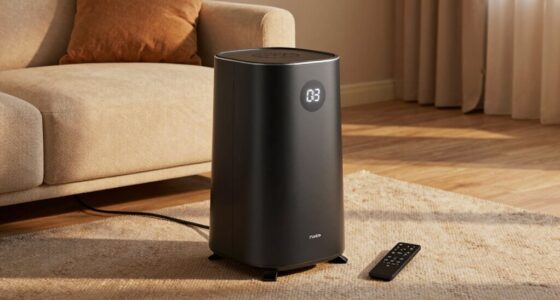
Smart thermostats with remote sensors offer a more precise way to manage your home’s temperature, especially in multi-zone spaces. The Google Nest Learning Thermostat (4th gen) paired with the Nest Temperature Sensor (2nd gen) stands out for its learning capabilities and seamless integration. For those seeking budget-friendly options, the Sensi Touch 2 provides reliable remote sensing at a lower price point. The main tradeoffs in this category often revolve around ecosystem compatibility, sensor accuracy, and ease of setup. Continue reading for a detailed comparison of the best options available in 2026.

Get the little things that make your day delivered free with Prime
- Fast, free delivery on millions of items
- Prime Video, Amazon Music and more included
- Member-only deals all year
Key Takeaways
- The best overall pick combines advanced learning features with reliable remote sensors, exemplified by the Google Nest Learning Thermostat paired with Nest Sensors.
- Compatibility with smart home ecosystems like Alexa, Google Home, or Apple Home is a key factor influencing ease of integration and future-proofing.
- Sensor quality and placement significantly impact comfort and energy savings, making dedicated smart sensors a worthwhile investment.
- Higher-priced models like ecobee Smart Thermostat Premium offer additional features such as air quality monitoring, but may be overkill for simple needs.
- Budget options like Sensi Touch 2 deliver dependable performance but may lack some advanced features and ecosystem integrations found in premium models.
| Google Nest Learning Thermostat (4th gen) + Nest Temperature Sensor (2nd gen) – Obsidian |  | Best Overall with Room-Specific Control | Model: 4th generation | Color: Obsidian | Includes: Nest Temperature Sensor (2nd gen) | VIEW ON AMAZON | See Our Full Breakdown |
| Sensi Touch 2 Smart Thermostat Wi-Fi, Alexa, Energy Star Certified, ST76 |  | Best Value with DIY Friendly Setup | Compatibility: Works with room sensors (sold separately) | Energy Star Certified: Yes | Connectivity: Wi-Fi | VIEW ON AMAZON | See Our Full Breakdown |
| Honeywell Home T9 WiFi Smart Thermostat with 1 Smart Room Sensor |  | Best for Focused Multi-Room Comfort | Sensor Range: up to 200 ft | Compatibility: Forced air, hot water, steam, heat pumps with electric backup | Requires: C-Wire | VIEW ON AMAZON | See Our Full Breakdown |
| Honeywell Home RTH8800WF2022 T5 WiFi Smart Thermostat |  | Best for Scheduling and Geofencing | Model: RTH8800WF2022 | Connectivity: Wi-Fi | Scheduling: 7-day programmable | VIEW ON AMAZON | See Our Full Breakdown |
| Google Nest Learning Thermostat (4th gen) + Nest Temperature Sensor (2nd gen) – Silver |  | Best Premium with Adaptive Eco | Compatibility: Most 24V systems including gas, electric, oil, heat pump, radiant | Display: 60% larger with Dynamic Farsight | Connectivity: Google Home app, Alexa, Siri, Google Assistant, Matter | VIEW ON AMAZON | See Our Full Breakdown |
| ecobee Smart Thermostat Enhanced, Programmable Wi-Fi Thermostat |  | Best Overall for Flexibility and Compatibility | Energy Saving: Up to 26% per year | Compatibility: Most 24 VAC HVAC systems | Connectivity: Wi-Fi, Apple HomeKit, Alexa, Google Assistant | VIEW ON AMAZON | See Our Full Breakdown |
| Google Nest Thermostat – Smart Thermostat for Home – Programmable Wi-Fi Thermostat – Charcoal | 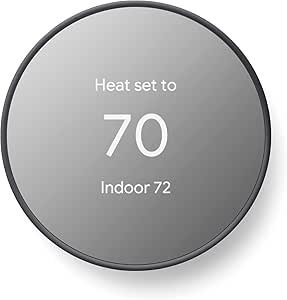 | Best for Simplicity and Voice Control Integration | Connectivity: Wi-Fi 2.4/5 GHz | Energy Star Certified: Yes | Programmable: Yes | VIEW ON AMAZON | See Our Full Breakdown |
| Sensi Touch 2 Smart Thermostat Wi-Fi, Alexa, Energy Star Certified, ST76 |  | Best for DIY Installers and Energy Savings with Sensors | Controller Type: Alexa, Google Assistant, SmartThings | Additional Features: Data Privacy, Easy DIY Install, Energy Savings | Specific Uses: Air Conditioner, Boiler, Furnace | VIEW ON AMAZON | See Our Full Breakdown |
| ecobee Smart Thermostat Premium – WiFi, Siri & Alexa Built-In, Air Quality Monitor, Smart Sensor |  | Best for Premium Features and Advanced Sensors | Energy Saving: Up to 26% per year | Certification: ENERGY STAR | Included Accessories: SmartSensor, Power Extender Kit | VIEW ON AMAZON | See Our Full Breakdown |
| TQX Smart Thermostat with Remote Sensor, WiFi, Alexa, Apple Home, Google, Voice Control, Programmable |  | Best for Multi-Platform Ecosystem Support and Full House Control | Connectivity: WiFi, Matter, Alexa, Apple Home, Google | Sensor Compatibility: Up to 5 remote sensors | System Compatibility: Conventional, Heat pump, PTAC, Fan coil | VIEW ON AMAZON | See Our Full Breakdown |
| ecobee Smart Thermostat Essential – WiFi, Energy Star Certified, Compatible with Siri, Alexa, Google Home |  | Best Overall for Energy Efficiency and Ecosystem Compatibility | Compatibility: Most 24 VAC HVAC systems | Connectivity: WiFi | Energy Certification: Energy Star | VIEW ON AMAZON | See Our Full Breakdown |
| Meross Smart Thermostat for Home WiFi, Compatible with Matter, Alexa, Apple Home, Google Assistant |  | Best for Seamless Multi-Platform Smart Home Integration | Compatibility: Most HVAC systems including heat pump, air conditioner, furnace, boiler | Connectivity: WiFi, Matter, Alexa, Apple Home, Google Assistant | C-wire required: Yes (not included) | VIEW ON AMAZON | See Our Full Breakdown |
| Sensi Smart Thermostat, Wi-Fi, DIY, Alexa, Energy Star Certified, ST55 |  | Best for Easy DIY Installation and Privacy-Conscious Users | Controller Type: Amazon Alexa, Apple HomeKit, Google Assistant, SmartThings, Vera | Additional Features: Data Privacy, Easy DIY Install, Energy Savings | Specific Uses: Air Conditioner, Boiler, Furnace, Heat Pump | VIEW ON AMAZON | See Our Full Breakdown |
| smart thermostats with remote sensor | Connectivity | Compatibility |
|---|---|---|
| Google Nest Learning Thermosta | Wi-Fi, Google Assistant, Alexa, Siri, Matter | Most 24V systems, no C wire needed |
| Sensi Touch 2 Smart Thermostat | Wi-Fi | Works with room sensors (sold separately) |
| Honeywell Home T9 WiFi Smart T | Wi-Fi | Forced air, hot water, steam, heat pumps with electric backup |
| Honeywell Home RTH8800WF2022 T | Wi-Fi | — |
| Google Nest Learning Thermosta | Google Home app, Alexa, Siri, Google Assistant, Matter | Most 24V systems including gas, electric, oil, heat pump, radiant |
| ecobee Smart Thermostat Enhanc | Wi-Fi, Apple HomeKit, Alexa, Google Assistant | Most 24 VAC HVAC systems |
| Google Nest Thermostat | Wi-Fi 2.4/5 GHz | Google Assistant, Matter |
| Sensi Touch 2 Smart Thermostat | — | — |
| ecobee Smart Thermostat Premiu | — | — |
| TQX Smart Thermostat with Remo | WiFi, Matter, Alexa, Apple Home, Google | — |
| ecobee Smart Thermostat Essent | WiFi | Most 24 VAC HVAC systems |
| Meross Smart Thermostat for Ho | WiFi, Matter, Alexa, Apple Home, Google Assistant | Most HVAC systems including heat pump, air conditioner, furnace, boiler |
| Sensi Smart Thermostat | — | Most HVAC systems with C-wire |
More Details on Our Top Picks
Google Nest Learning Thermostat (4th gen) + Nest Temperature Sensor (2nd gen) – Obsidian
This model stands out for its ability to learn your schedule and preferences, helping reduce energy bills by up to 31%. Its larger display enhances visibility, and it seamlessly integrates with Google Assistant, Alexa, and Siri, making it ideal for smart home enthusiasts. Compared to the Honeywell T9, it offers more automated learning, but requires a Wi-Fi connection for full functionality, which may be a drawback for those with unreliable internet. The included Nest Temperature Sensor allows for room-specific adjustments, enhancing comfort without manual intervention. While setup can be complex for some, its compatibility with most 24V systems and no C-wire needed make it accessible for many homeowners.
Pros:- Learns your schedule to optimize energy savings automatically
- Large, bright display with customizable designs
- Works with most 24V systems without C-wire
Cons:- Requires Wi-Fi for full functionality, which may limit offline control
- Complex setup process might require professional installation
Best for: Tech-savvy homeowners who want a smart, learning thermostat that optimizes energy use across multiple rooms.
Not ideal for: Renters or those with unreliable Wi-Fi who prefer simple plug-and-play devices.
- Model:4th generation
- Color:Obsidian
- Includes:Nest Temperature Sensor (2nd gen)
- Display Size:60% larger
- Compatibility:Most 24V systems, no C wire needed
- Connectivity:Wi-Fi, Google Assistant, Alexa, Siri, Matter
- Energy Savings:Up to 31%
Our verdict“Ideal for homeowners seeking a smart, automated thermostat that learns and adapts to their routines with room-specific control.”
Sensi Touch 2 Smart Thermostat Wi-Fi, Alexa, Energy Star Certified, ST76
This pick is tailored for budget-conscious buyers who want a smart thermostat with remote sensors, offering energy savings of around 23%. Its compatibility with sensors sold separately makes it flexible for multi-room control, but the need for a c-wire can complicate installation for some. Compared to the Honeywell T9, it’s more affordable and easier to install with the guided app, though it lacks some advanced automation features. Its Energy Star certification highlights its efficiency, and remote access helps monitor HVAC performance, making it suitable for DIYers who prioritize straightforward setup without sacrificing smart features.
Pros:- Affordable price point with reliable energy savings
- Easy DIY installation guided by app
- Supports room sensors for better temperature control
Cons:- Requires c-wire for installation, which can be a hurdle for some
- Room sensors are sold separately, increasing overall cost
Best for: Homeowners seeking an affordable, easy-to-install thermostat with room sensor compatibility and energy monitoring.
Not ideal for: Users with complex HVAC systems or electric baseboard heating where sensor compatibility is limited.
- Compatibility:Works with room sensors (sold separately)
- Energy Star Certified:Yes
- Connectivity:Wi-Fi
- Installation:DIY with app guidance, requires c-wire
- Features:Remote access, usage reports, maintenance alerts
Our verdict“Great for budget-minded homeowners who want flexible, remote sensor-enabled control without complex installation.”
Honeywell Home T9 WiFi Smart Thermostat with 1 Smart Room Sensor
This thermostat excels in targeting comfort in specific rooms with its included smart sensor, making it ideal for homes with uneven heating or cooling. Its compatibility with various platforms and remote control via app or voice offers convenience, but its limited compatibility with electric baseboard heat narrows its use to forced air, hot water, or heat pump systems. Compared to the Nest models, it’s more straightforward to install if you already have a C-wire, but it doesn’t feature the learning capabilities that make the Nest stand out. Its energy-saving features are solid, and rebate opportunities add value.
Pros:- Smart sensors improve comfort in multiple rooms
- Remote control and voice compatibility
- Supports energy savings and rebate programs
Cons:- Limited to certain heating systems, excluding electric baseboards
- Requires c-wire or power adapter for installation
Best for: Homeowners with forced air or heat pump systems wanting precise room control and straightforward installation.
Not ideal for: Homes with electric baseboard heating or those seeking a learning thermostat experience.
- Sensor Range:up to 200 ft
- Compatibility:Forced air, hot water, steam, heat pumps with electric backup
- Requires:C-Wire
- Includes:1 Smart Room Sensor
- Connectivity:Wi-Fi
Our verdict“Ideal for users who want targeted room comfort control on compatible forced air or heat pump systems with easy setup.”
Honeywell Home RTH8800WF2022 T5 WiFi Smart Thermostat
This thermostat’s strength lies in its programmable scheduling and geofencing, making it suitable for users prioritizing automation and energy savings. Its compatibility with most heat/cool systems and ENERGY STAR certification add to its appeal. However, it requires a C-wire for installation, which might be a barrier for some. Unlike the Nest models, it doesn’t learn routines but allows precise manual scheduling, which may appeal to those who prefer control over automation. This device is best suited for users who want reliable scheduling combined with remote control, but it falls short for those looking for a learning or adaptive system.
Pros:- 7-day programmable schedule for precise control
- Geofencing technology for automatic system adjustments
- Energy Star certified for efficiency
Cons:- Requires a C-wire for installation, which may complicate setup
- No adaptive learning features
Best for: Homeowners who prefer manual programming, scheduling, and geofencing to optimize energy use.
Not ideal for: Users seeking a learning thermostat or with heating systems incompatible with C-wire devices.
- Model:RTH8800WF2022
- Connectivity:Wi-Fi
- Scheduling:7-day programmable
- Features:Geofencing, Auto Home/Away Mode
- Energy Certification:ENERGY STAR
- Power Requirement:C-wire required
Our verdict“Best suited for users who want scheduled control and automation through programming and geofencing, not learning capabilities.”
Google Nest Learning Thermostat (4th gen) + Nest Temperature Sensor (2nd gen) – Silver
This version matches the Obsidian model in features but adds a sleek silver finish and the ability to learn your habits for maximum energy savings—up to 31%. Its larger display with Dynamic Farsight makes it easy to read from a distance, and it works with a broad range of systems, including those without a C-wire in most homes. The included Nest Temperature Sensor provides precise room-specific control, and the thermostat’s adaptive Eco feature leverages outside temperature data to optimize energy use. Compared to the Obsidian, it’s more stylish and slightly more refined, but the high price may deter budget-conscious buyers. Its automatic learning and adaptive features make it ideal for those who want a set-it-and-forget-it experience.
Pros:- Learns your routines to automate comfort and savings
- Large, bright display with dynamic Farsight
- Supports multiple systems including no C-wire in most homes
Cons:- Higher price point compared to other models
- Requires Wi-Fi for full functionality and learning features
Best for: Homeowners seeking a premium, aesthetically pleasing thermostat that learns and adapts to maximize savings.
Not ideal for: Budget-conscious consumers or those who prefer manual control over automation features.
- Compatibility:Most 24V systems including gas, electric, oil, heat pump, radiant
- Display:60% larger with Dynamic Farsight
- Connectivity:Google Home app, Alexa, Siri, Google Assistant, Matter
- Sensor:Nest Temperature Sensor (2nd gen)
- Energy Savings:Up to 31%
- Installation:No C-wire required in most homes
Our verdict“Ideal for users who want an intelligent, stylish thermostat that adapts to their routines for maximum efficiency.”
ecobee Smart Thermostat Enhanced, Programmable Wi-Fi Thermostat
The ecobee Smart Thermostat Enhanced earns its place as the best overall due to its broad HVAC compatibility and advanced occupancy-based adjustments. Unlike the Google Nest, which relies heavily on its ecosystem, ecobee’s compatibility with most 24VAC systems makes it more adaptable for diverse setups. Its inclusion of a Power Extender Kit simplifies installation in homes without a C wire, but it does require a Wi-Fi connection for full features—a potential hurdle for less tech-savvy users. Compared with the ecobee Smart Thermostat Premium, it offers fewer advanced sensors and smart features, but at a lower cost, balancing value with capability. This pick suits homeowners seeking a highly customizable, DIY-friendly thermostat that adapts well to complex systems without sacrificing control or remote access.
Pros:- Compatible with a wide range of HVAC systems, including boilers and heat pumps
- Includes Power Extender Kit for easier installation without a C wire
- Remote control via smartphone, tablet, or Apple Watch
Cons:- Requires Wi-Fi for full functionality, which may limit offline use
- Setup can be complex for first-time DIYers without prior experience
Best for: Homeowners with diverse HVAC systems who want maximum compatibility and flexible installation options
Not ideal for: Users with unreliable Wi-Fi or those seeking the most premium smart home integration, as some advanced features require a stable internet connection
- Energy Saving:Up to 26% per year
- Compatibility:Most 24 VAC HVAC systems
- Connectivity:Wi-Fi, Apple HomeKit, Alexa, Google Assistant
- Installation:Includes Power Extender Kit, hardwired
Our verdict“This thermostat suits tech-savvy homeowners with complex systems who value extensive compatibility and remote control capabilities.”
Google Nest Thermostat – Smart Thermostat for Home – Programmable Wi-Fi Thermostat – Charcoal
The Google Nest Thermostat excels in user-friendly setup and integration with Google Assistant, making it ideal for those already invested in the Google ecosystem. Compared to ecobee’s more complex setup, Nest’s simple interface appeals to less tech-savvy users. Its HVAC monitoring and alerts add value by helping prevent system issues, but the lack of a lock feature could be a drawback for households with children or pets. While it doesn’t support remote sensors directly, its app-based controls and scheduling are straightforward and effective. This makes it a logical choice for homeowners seeking a clean, minimalist design that integrates seamlessly with Google smart home devices.
Pros:- Simple setup and intuitive app controls
- HVAC monitoring with alerts for system health
- Integrates smoothly with Google Assistant and Google Home
Cons:- No support for remote room sensors, limiting multi-room control
- Lack of a lock feature to prevent tampering or accidental changes
Best for: Homeowners who prioritize ease of use and Google ecosystem integration
Not ideal for: Users needing advanced sensor support or multi-user lock features, as these are absent in this model
- Connectivity:Wi-Fi 2.4/5 GHz
- Energy Star Certified:Yes
- Programmable:Yes
- Remote Control:Yes
- Compatibility:Google Assistant, Matter
- Color:Charcoal
Our verdict“This thermostat is best for Google users seeking straightforward control and reliable scheduling without complex features.”
Sensi Touch 2 Smart Thermostat Wi-Fi, Alexa, Energy Star Certified, ST76
The Sensi Touch 2 offers a compelling balance of DIY-friendly installation and energy efficiency, making it ideal for homeowners comfortable with tech setup. Its support for room sensors allows for better zone control—an advantage over models like the Nest that lack sensor integration. However, it requires a C-wire for installation, which can be a barrier for some. The app provides straightforward scheduling and HVAC alerts, helping to save approximately 23% on energy costs. Compared to ecobee’s more premium options, Sensi’s simpler interface and affordability make it attractive, but it does sacrifice some advanced features and multi-sensor support for more complex setups.
Pros:- Easy DIY installation with guided app setup
- Supports remote room sensors for better comfort management
- Helps reduce HVAC energy costs by around 23%
Cons:- Requires a C-wire for installation, which may not be present in all homes
- Sensors sold separately, adding to overall cost
Best for: DIY homeowners seeking sensor support and cost-effective energy savings
Not ideal for: Homeowners without C-wires or who desire multi-room independent control, since sensors are sold separately and it doesn’t regulate rooms independently
- Controller Type:Alexa, Google Assistant, SmartThings
- Additional Features:Data Privacy, Easy DIY Install, Energy Savings
- Specific Uses:Air Conditioner, Boiler, Furnace
- Energy Star Certified:Yes
Our verdict“This thermostat suits DIY enthusiasts wanting sensor support and energy savings at a budget-friendly price point.”
ecobee Smart Thermostat Premium – WiFi, Siri & Alexa Built-In, Air Quality Monitor, Smart Sensor
The ecobee Smart Thermostat Premium stands out for its integrated air quality monitoring and built-in occupancy sensing, offering a more comprehensive smart home experience. Compared to the basic ecobee Enhanced, it includes a SmartSensor and a larger, more vibrant display, making it ideal for tech enthusiasts who want detailed environmental insights. Its compatibility with Siri, Alexa, and other voice platforms expands control options, though some features, like the full suite of sensors, require additional setup or devices. The premium materials and advanced sensors come at a higher price, but the added environmental monitoring and seamless integration justify the cost for those seeking the most feature-rich thermostat.
Pros:- Includes built-in air quality monitor and occupancy sensors
- Supports multiple voice assistants including Siri and Alexa
- Large, vibrant display for easy control and environmental data viewing
Cons:- Higher cost compared to simpler models like the ecobee Enhanced
- Some features require additional setup or compatible devices
Best for: Homeowners desiring a high-end, multi-sensor smart thermostat with air quality features and voice control
Not ideal for: Budget-conscious users or those not invested in a robust smart home ecosystem, due to its higher price and additional setup complexity
- Energy Saving:Up to 26% per year
- Certification:ENERGY STAR
- Included Accessories:SmartSensor, Power Extender Kit
- Display:Large, vibrant
- Voice Assistants:Siri, Alexa
- Air Quality Monitoring:Yes
Our verdict“This pick is ideal for tech-savvy homeowners who want a premium thermostat with environmental monitoring and multi-platform voice control.”
TQX Smart Thermostat with Remote Sensor, WiFi, Alexa, Apple Home, Google, Voice Control, Programmable
The TQX Smart Thermostat offers extensive compatibility with Matter, Alexa, Apple Home, and Google, making it a flexible choice for households with diverse smart devices. Its support for up to five remote sensors allows for broad room coverage, surpassing the limited sensor support of models like the ecobee Enhanced. Its occupancy detection uses millimeter wave technology, which enhances accuracy over simpler sensors. However, it doesn’t regulate individual rooms independently, which could be a disadvantage for homes with multiple zones requiring separate control. Compared to the ecobee Premium, it emphasizes ecosystem flexibility and sensor support but lacks some of the advanced environmental features.
Pros:- Supports multiple ecosystems including Alexa, Apple Home, and Google
- Supports up to 5 remote sensors for comprehensive coverage
- Occupancy learning with millimeter wave technology improves accuracy
Cons:- Does not regulate individual rooms independently
- Additional sensors must be purchased separately
Best for: Smart home enthusiasts needing multi-platform support and multiple remote sensors for whole-house comfort
Not ideal for: Users seeking independent room control or those on a tight budget, since additional sensors are sold separately and it doesn’t regulate rooms separately
- Connectivity:WiFi, Matter, Alexa, Apple Home, Google
- Sensor Compatibility:Up to 5 remote sensors
- System Compatibility:Conventional, Heat pump, PTAC, Fan coil
- Occupancy Detection:Millimeter wave technology
Our verdict“This thermostat is best for households with extensive smart home setups needing multi-sensor coverage and broad ecosystem compatibility.”
ecobee Smart Thermostat Essential – WiFi, Energy Star Certified, Compatible with Siri, Alexa, Google Home
The ecobee Smart Thermostat Essential stands out for its impressive ability to cut heating and cooling costs by up to 23%, thanks to its intelligent scheduling and room-specific temperature control when paired with optional sensors. Compared with the Sensi Smart Thermostat, it offers a more seamless integration with major smart home platforms like Siri, Alexa, and Google, making it a versatile choice for households already invested in these systems. The absence of a C-wire requirement with the included Power Extender Kit simplifies installation, but users must verify their HVAC compatibility online. Its energy-saving features and humidity detection make it a strong all-rounder, although the SmartSensor 2 pack is sold separately, adding to total costs. If your home prioritizes ecosystem flexibility and energy efficiency, this model makes a compelling choice.
Pros:- Saves up to 23% on annual energy costs
- Easy DIY installation with no C-wire needed
- Compatible with Siri, Alexa, and Google Home
- Includes humidity detection and scheduling features
Cons:- SmartSensor 2 pack sold separately, increasing overall cost
- Requires online compatibility verification for HVAC system
- Some features may need additional accessories
Best for: Homeowners seeking a dependable, energy-efficient thermostat compatible with multiple smart home ecosystems
Not ideal for: Renters or those with older HVAC systems that lack online compatibility or require more complex wiring
- Compatibility:Most 24 VAC HVAC systems
- Connectivity:WiFi
- Energy Certification:Energy Star
- Smart Features:Indoor humidity detection, schedule assistant
- Installation:DIY, no C-wire needed with Power Extender Kit
- SmartSensor Compatibility:Yes, with SmartSensor 2 pack
Our verdict“This thermostat is best suited for users who want reliable energy savings and broad smart home compatibility without complex wiring.”
Meross Smart Thermostat for Home WiFi, Compatible with Matter, Alexa, Apple Home, Google Assistant
The Meross Smart Thermostat excels for users who want a flexible, app-controlled climate solution that works across a wide range of smart home platforms, including Matter, Alexa, Apple Home, and Google Assistant. Compared with the Sensi Smart Thermostat Essential, it requires a C-wire (not included), which can complicate installation for those with older or simpler wiring setups. Its sleek, modern design and customizable scheduling make it suitable for tech-savvy homeowners focused on remote control and energy management. However, its compatibility is limited by wiring and it may be complex for those unfamiliar with wiring adjustments. This pick makes the most sense for those who prioritize integrated smart home control and are comfortable with some installation complexity.
Pros:- Compatible with multiple platforms including Matter, Alexa, Apple Home, and Google
- Customizable 24/7 scheduling for comfort and efficiency
- Remote control and monitoring via mobile app
- Modern, sleek design
Cons:- Requires a C-wire, which is not included and may complicate setup
- Installation can be complex depending on existing wiring
- Not suitable for certain electric baseboard or two-wire systems
Best for: Tech enthusiasts wanting a versatile, platform-agnostic thermostat with remote control features
Not ideal for: Renters or users with incompatible wiring or those seeking a straightforward plug-and-play solution
- Compatibility:Most HVAC systems including heat pump, air conditioner, furnace, boiler
- Connectivity:WiFi, Matter, Alexa, Apple Home, Google Assistant
- C-wire required:Yes (not included)
- Color options:Black, White
- Installation:Step-by-step app setup
Our verdict“Ideal for users who want a highly flexible, multi-platform smart thermostat and are prepared for some wiring setup.”
Sensi Smart Thermostat, Wi-Fi, DIY, Alexa, Energy Star Certified, ST55
The Sensi ST55 offers straightforward DIY installation and strong compatibility with popular smart home platforms like Alexa, Google, and Apple HomeKit. Compared to the ecobee Smart Thermostat Essential, it features a more simplified setup process, making it more accessible for less tech-savvy users. Its energy-saving capabilities, which can reduce HVAC costs by about 23%, are complemented by useful maintenance alerts and usage reports. However, some users may face challenges if their HVAC system lacks a common wire, and compatibility with older or non-standard systems could be limited. This model is best suited for homeowners seeking an easy-to-install, privacy-minded thermostat that still provides robust smart features.
Pros:- Simple DIY installation with detailed app instructions
- Reduces HVAC costs by approximately 23%
- Compatible with Alexa, Google Assistant, and Apple HomeKit
- Provides maintenance and usage reports
Cons:- Requires a common wire in some setups, which may not be present
- Limited details on compatibility with older HVAC systems
- Some users may find setup or app interface less intuitive
Best for: Homeowners wanting a budget-friendly, DIY-friendly thermostat with strong privacy and energy-saving features
Not ideal for: Users with older HVAC systems lacking a common wire or those needing advanced customization
- Controller Type:Amazon Alexa, Apple HomeKit, Google Assistant, SmartThings, Vera
- Additional Features:Data Privacy, Easy DIY Install, Energy Savings
- Specific Uses:Air Conditioner, Boiler, Furnace, Heat Pump
- Energy Savings:Approximately 23%
- Compatibility:Most HVAC systems with C-wire
Our verdict“Perfect for homeowners seeking an easy-to-install, privacy-conscious thermostat with solid energy savings and smart platform support.”
How We Picked
In evaluating these smart thermostats with remote sensors, I focused on performance, ease of use, build quality, and value. I considered how well the remote sensors functioned in real-world scenarios, including their accuracy and responsiveness. Compatibility with popular smart home platforms was prioritized to ensure seamless integration. I also examined features like learning capabilities, user interface, and additional smart features such as air quality monitoring. Finally, I balanced these factors against price to rank options that deliver the best overall experience for different types of buyers.Factors to Consider When Choosing Smart Thermostats With Remote Sensors
Choosing the right smart thermostat with remote sensors involves balancing several factors. Beyond basic features, consider how the device fits within your existing smart home ecosystem, its sensor accuracy, and ease of installation. Understanding these key points helps ensure you select a model that offers reliable comfort control and energy savings without unnecessary complexity or cost.Compatibility and Ecosystem Integration
It’s essential to pick a thermostat that works seamlessly with your existing smart home devices, whether that’s Alexa, Google Assistant, or Apple HomeKit. Compatibility can influence the ease of setup and daily operation, as well as future integration with other smart devices. Some models excel in ecosystems, while others may require additional hubs or apps, which could complicate your setup.
Sensor Accuracy and Placement
The main purpose of remote sensors is to deliver precise temperature readings across different zones. Sensors vary in quality—some might have delayed responses or inaccuracies that affect comfort and energy efficiency. Proper placement is equally important; sensors should be positioned away from direct sunlight or drafts to provide reliable data for your thermostat to act on.
Ease of Installation and Use
An intuitive setup process and user interface make a big difference in getting your system up and running quickly. Some thermostats come with step-by-step guides or even professional installation options, which are valuable for less tech-savvy users. A clear app interface and straightforward controls are equally important for daily adjustments and monitoring.
Smart Features and Learning Capabilities
Advanced models offer learning algorithms that adapt to your schedule, reducing manual adjustments over time. Additional smart features like voice control, scheduling, and energy reports can enhance convenience and savings. However, these features often come at a higher price and may require more complex setup, so consider whether they align with your needs.
Price and Long-term Value
While premium models provide extra features, they also come with a higher cost. Budget-friendly options might deliver adequate remote sensing and basic smart functions but could lack advanced automation or ecosystem support. Think about your long-term goals—are you prioritizing energy savings, ease of use, or smart home integration? Investing more upfront can pay off through improved comfort and savings over time.
Frequently Asked Questions
Can I use remote sensors from different brands together?
Generally, remote sensors are designed to work within their specific ecosystem or brand, and mixing brands can lead to compatibility issues. Some brands, like ecobee, offer more flexible sensor compatibility across models, but it’s best to stick with the same brand for reliable operation. Always check the manufacturer’s specifications to confirm whether sensors from different brands can be integrated into your system.
Do remote sensors require ongoing maintenance or batteries?
Most remote sensors operate on batteries that need periodic replacement, typically every 1-2 years depending on usage. Some newer models feature low-battery alerts within their apps, helping you stay ahead of power issues. Proper placement and battery management are key to maintaining sensor accuracy and avoiding disruptions in your climate control system.
Is a higher-priced thermostat worth the extra cost?
Higher-priced models, such as ecobee Smart Thermostat Premium, often include extra features like air quality sensors, enhanced automation, and more robust smart home integrations. If these features align with your priorities—such as improving indoor air quality or advanced automation—they can justify the higher investment. For basic comfort and remote sensing, more affordable options may deliver excellent value without the added costs.
How do I position remote sensors for best results?
Remote sensors should be placed away from direct sunlight, drafts, or heat sources to provide accurate readings. Typical locations include hallways or secondary rooms that differ significantly from the main living area. Proper placement ensures the thermostat receives reliable data, leading to better comfort and energy savings across different zones.
Can I upgrade or add sensors after purchasing a thermostat?
Many smart thermostats support adding or upgrading sensors later, especially models designed with expandability in mind, like ecobee and Honeywell. It’s wise to confirm the number of sensors supported and compatibility before purchase if you anticipate expanding your system. Adding sensors later can enhance zone-specific comfort, but be aware that some models may require firmware updates or additional setup steps.
Conclusion
For most users seeking a reliable, easy-to-use system, the Google Nest Learning Thermostat with Nest Sensors offers a strong balance of automation, compatibility, and sensor performance. Those prioritizing budget-friendly options should consider the Sensi Touch 2, which provides solid remote sensing without extra bells and whistles. For high-end automation and additional features like air quality monitoring, the ecobee Smart Thermostat Premium makes sense. Beginners and casual users will find simple setup with models like the Google Nest Thermostat sufficient, while homeowners with complex zoning needs may prefer more advanced systems like ecobee or Honeywell. Tailor your choice to your home’s size, existing smart devices, and specific comfort goals to get the best fit.
Halloween Picks
halloween
As an affiliate, we earn on qualifying purchases.