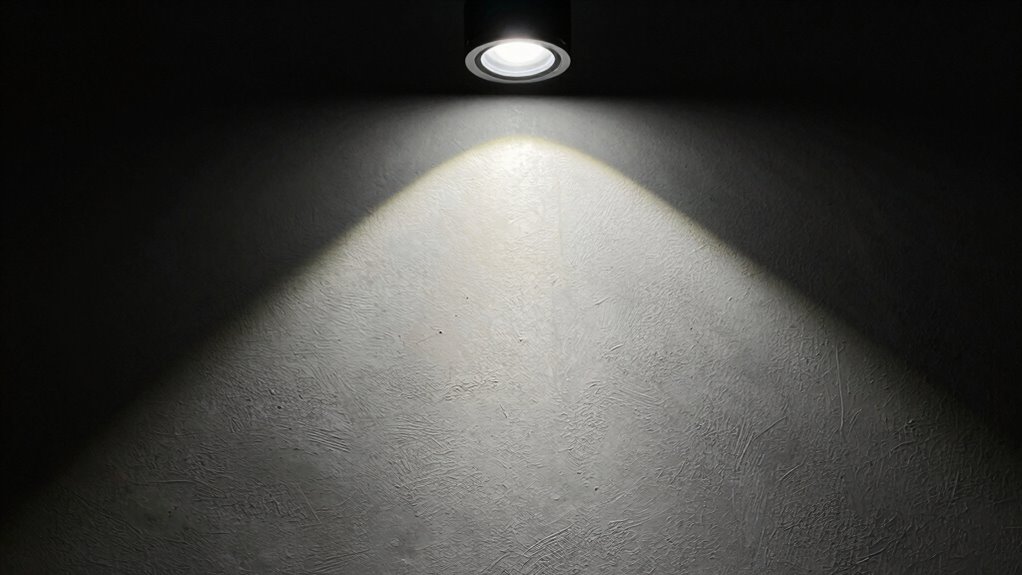

A single overhead light feels harsh because it lacks the layered approach that creates soft, balanced illumination similar to natural light. Without additional sources like ambient, task, or accent lighting, the space can have strong shadows and high contrast, making it feel uninviting. Layering different light types helps you control brightness and color temperature, reducing harshness. Keep exploring to discover how to transform your space with layered lighting techniques for a more comfortable, balanced environment.
Key Takeaways
- A single overhead light creates strong shadows and high contrast, making the space feel harsh and unbalanced.
- Overhead-only lighting lacks the softening effect of layered sources, leading to a glaring, uninviting atmosphere.
- Without additional layers, light remains static, failing to mimic natural light’s gentle variations, causing discomfort.
- Overhead fixtures often emit cool or harsh light, which can feel unwelcoming without warm, layered accents.
- Layered lighting allows for softer, more diffuse illumination, reducing the harshness of a single overhead light.
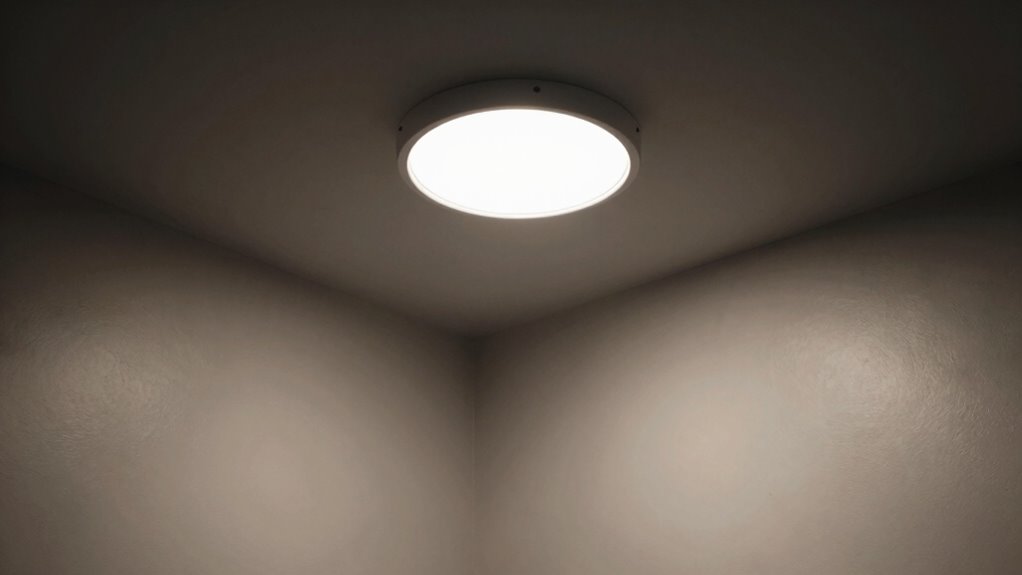
Lighting layers are essential tools for creating depth, mood, and flexibility in any space or scene. When you rely on just one overhead light, it often feels harsh and uninviting because it lacks the nuance that layered lighting provides. This is especially true when considering natural light, which varies throughout the day and adds a dynamic quality that a single, static fixture can’t replicate. Natural light is softer and more diffuse, offering a wide range of color temperatures that influence how a space feels. During midday, natural light has a cool, bluish tint, while in the evening, it warms up, casting a cozy, amber glow. Without layering your lighting, you miss out on this subtle interplay, leaving your space feeling flat and unbalanced.
Layered lighting creates depth and mood, mimicking natural light’s dynamic shifts for a balanced, inviting space.
A single overhead light tends to cast strong shadows and create high contrast, making the environment uncomfortable. This is partly because it lacks the flexibility to adjust with the natural changes in light and mood. When you incorporate multiple layers—such as ambient, task, and accent lighting—you can manipulate the overall atmosphere by adjusting each layer’s brightness and color temperature. For example, in the daytime, you might rely on natural light as your main source and supplement it with warm-colored fixtures that mimic the glow of sunset, creating a more inviting and harmonious space. As daylight diminishes, you can increase the warmth of your artificial lights to match the natural shift, maintaining a cohesive environment.
Using different color temperatures across your lighting layers helps you achieve a balanced and natural feel. Cool tones can energize a space during the day, while warmer tones foster relaxation in the evening. When you only have one harsh overhead light, it often doesn’t align with the natural light’s changing color temperature, leading to a discordant visual experience. This mismatch makes the space feel uncomfortable and overly stark, especially when the artificial light’s tone doesn’t blend well with the natural light coming through windows. Incorporating lighting layers allows you to adapt to these changes seamlessly, enhancing overall comfort. Recognizing how natural light interacts with artificial sources can help you design a more harmonious environment.
In essence, layering your lighting gives you control over how your space feels and functions. It allows you to soften the harshness of a single overhead light by adding more nuanced sources that complement natural light and adjust to different times of day. By paying attention to the color temperature of each layer, you create a more natural, inviting atmosphere that feels balanced and thoughtfully designed. This approach not only enhances aesthetic appeal but also improves comfort, making your space more adaptable and visually pleasing at all hours.

20" Farmhouse Pendant Light Fixtures, 2-Tier Drum Pendant Lighting with Linen Lampshade, 3-Light Modern Hanging Chandeliers for Dining Room, Living Room, Bedroom, and Kitchen
- Dimensions and Bulb Requirements: 20x20x11.41 inches, 3 E26 bulbs needed
- Design and Material: Simple 2-tier steel chandelier with linen shade
- Adjustable Length: 66.5-inch adjustable wire
As an affiliate, we earn on qualifying purchases.
As an affiliate, we earn on qualifying purchases.
Frequently Asked Questions
How Do I Identify the Best Lighting Layer for My Room?
To identify the best lighting layer for your room, start by considering the room’s purpose. Use an ambient glow for overall comfort and warmth, and add task focus lighting where you need clarity, like desks or reading areas. Mix various layers to avoid harsh shadows or overly bright spots. Adjust brightness and position until you achieve a balanced, inviting space that suits your activities and mood.
What Are Common Mistakes When Layering Lights?
You often make the mistake of poor fixture placement, causing uneven lighting and harsh shadows. To avoid this, position fixtures to distribute light evenly and prevent strong shadow areas. Overusing a single layer, like an overhead light, can create a stark, uninviting atmosphere. Instead, layer your lights thoughtfully, mixing ambient, task, and accent lights to achieve balanced illumination, improving shadow control and overall room ambiance.
How Does Color Temperature Affect Lighting Layers?
You might think color temperature only impacts mood, but it also shapes your lighting layers. Warm versus cool tones influence how your layers blend, making scenes feel cozy or stark. If your overhead light feels harsh, adjusting its color temperature can help. Warmer tones soften shadows and create a more inviting atmosphere, while cooler tones can add clarity but risk harshness. Balancing these tones guarantees your lighting layers work harmoniously.
Can Layering Lights Reduce Energy Consumption?
Layering lights can definitely reduce energy consumption by enhancing power efficiency. Instead of relying on a single, harsh overhead light, you can use multiple softer lights at different levels, which allows you to adjust brightness and focus energy where needed. This targeted approach minimizes unnecessary power use, leading to energy savings. Properly layered lighting not only creates a more comfortable environment but also helps you conserve energy effectively.
What Tools or Apps Help Plan Lighting Layers?
You can use tools like DIALux, Relux, or Lighting Analysts’ AGi32 to plan lighting layers effectively. These lighting design software help you visualize how different fixtures and layers interact, guiding ideal fixture selection. With these apps, you can experiment with various lighting arrangements, control levels, and fixture types, ensuring your space has balanced, efficient lighting that minimizes harshness and enhances ambiance.
Conclusion
By blending background, task, and accent lighting, you create a cozy, comfortable space that feels just right. Avoid the harshness of a single, stark overhead light by layering luminance thoughtfully. Experiment with different fixtures, dimmers, and directions to design a delightful, dynamic ambiance. Remember, a well-woven web of lighting lifts your space from plain to perfect, making every moment more magical. Master these methods, and your room will radiate warmth and wonder, welcoming you home every time.