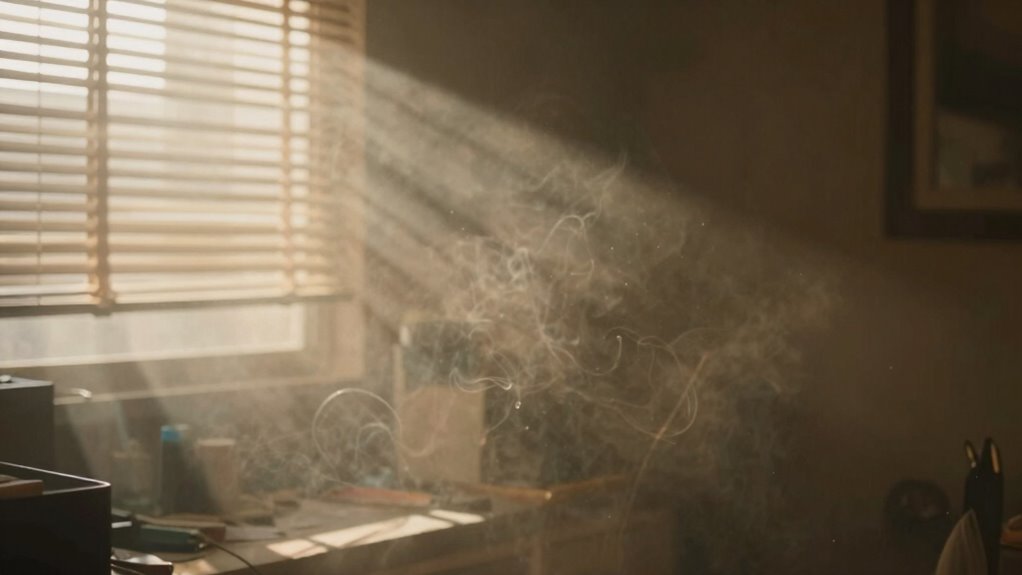
To quickly improve indoor air quality during wildfire smoke, use a high-efficiency HEPA air purifier and keep it running continuously in main living areas. Close doors and windows to prevent more smoke from entering, and avoid ventilation that pulls in outdoor air. Position the purifier where it can work best, and consider sealing gaps around windows and doors. Want to learn more tips to stay safe during wildfire seasons? Keep exploring for essential strategies.
Key Takeaways
- Use a HEPA air purifier continuously in main living areas to quickly reduce indoor wildfire smoke particles.
- Keep doors and windows closed to prevent additional smoke from entering indoor spaces.
- Seal gaps around windows and doors with weather stripping or draft stoppers for better indoor air protection.
- Avoid opening windows during smoky conditions; rely on filtered mechanical ventilation if needed.
- Monitor indoor air quality with portable sensors to make informed decisions and adjust mitigation strategies promptly.
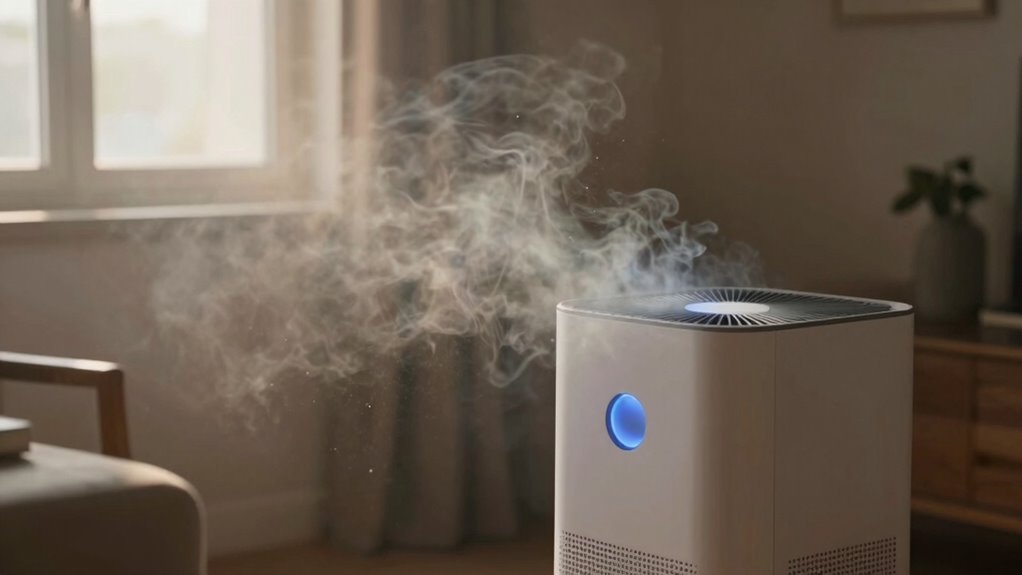
Have you ever wondered how wildfire smoke can affect your indoor air quality even when you’re inside? It’s surprising how easily harmful particles seep into your home, making the air you breathe dangerous despite your best efforts to stay safe indoors. When wildfire smoke drifts into your area, it’s not just about the smoky view outside—those tiny particles, called particulate matter, can penetrate windows, doors, and ventilation systems, lingering in the air you breathe. To combat this, you need effective solutions to clear out the contaminants quickly and restore clean air inside your home.
One of the fastest ways to improve indoor air quality during wildfire events is by using air purifiers. Look for models equipped with HEPA filters, which are designed to trap small particles, including the fine particulate matter found in wildfire smoke. Running an air purifier continuously can notably reduce the concentration of smoke particles, giving you immediate relief. Make sure to position the purifier in the room where you spend most of your time, and keep doors and windows closed to prevent more smoke from entering. This simple step acts as a barrier, helping to clean the air faster and creating a safer environment indoors.
Use HEPA-filter air purifiers continuously, position in main rooms, and keep doors and windows closed for faster indoor air cleaning.
In addition to air purifiers, ventilation methods play an important role in managing indoor air quality. While opening windows might seem like a good idea, during smoky conditions, it can worsen the problem by allowing more outdoor smoke inside. Instead, focus on controlled ventilation—using mechanical ventilation systems that bring in filtered, clean air from outside. If your home has an HVAC system, consider upgrading its filters to higher efficiency options and ensuring it’s properly maintained. Using exhaust fans in kitchens and bathrooms can also help remove indoor pollutants, especially if they’re fitted with filters or vents connected to a clean air source. Ensuring proper ventilation techniques can significantly improve the effectiveness of your overall indoor air management.
Furthermore, air filtration technology has rapidly advanced, offering more efficient solutions for removing wildfire smoke particles from indoor air. Combining air purifiers with smart ventilation methods creates a layered defense against wildfire smoke indoors. Keep an eye on air quality reports and follow local advice—when outdoor pollution levels spike, it’s best to limit outdoor activities and maximize indoor protection. Seal gaps around windows and doors with weather stripping or draft stoppers to prevent smoke infiltration. You might also consider using portable air quality monitors, which can give you real-time data and help you decide when to increase filtration or ventilation. Staying informed about indoor air quality can help you make proactive decisions to protect your health during wildfire seasons.
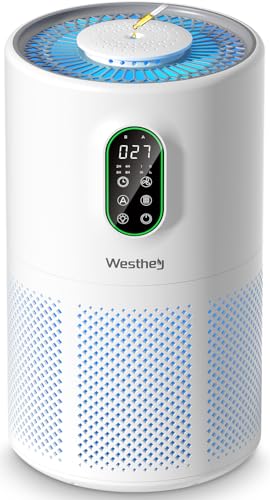
Air Purifiers for Home Large Room up to 1650 ft², WESTHEY H13 True HEPA Air Purifier for Bedroom with Night Light, Air Quality Monitor, Fragrance Sponge, Air Cleaner for Wildfire Smoke Dander Dust
- 360° Surround Air Intake: Covers up to 1650 sq ft efficiently
- High-Efficiency HEPA Filter: Captures 99.98% of 0.3-micron particles
- Real-Time Air Quality Display: Shows PM2.5 levels with color indicators
As an affiliate, we earn on qualifying purchases.
As an affiliate, we earn on qualifying purchases.
Frequently Asked Questions
Can Wildfire Smoke Cause Long-Term Health Issues Indoors?
Yes, wildfire smoke can cause long-term health issues indoors if you’re exposed frequently or for extended periods. Poor indoor air quality from smoke particles and toxins can irritate your respiratory health, leading to problems like asthma or chronic bronchitis. To protect yourself, use air purifiers, ventilate your space, and avoid outdoor exposure during smoky conditions. Taking these steps helps minimize long-term health risks and keeps your indoor air safer.
How Often Should I Replace Air Filters During Wildfire Season?
During wildfire season, you should replace your air filters every 1 to 2 months, especially if air quality worsens. Think of filter maintenance like changing a worn-out sponge; if it’s clogged, it can’t do its job. I once ignored mine during a smoky summer, and the indoor air felt suffocating. Regular replacements guarantee your home stays a safe haven, so stay vigilant and prioritize fresh filters for cleaner, healthier air.
Are There Specific Air Purifiers Most Effective Against Wildfire Smoke?
You should choose air purifiers with HEPA filters and activated carbon for wildfire smoke. HEPA filters capture tiny smoke particles, improving air quality quickly. Activated carbon absorbs harmful gases and odors released during wildfires. Look for models specifically designed for wildfire smoke, ensuring they have both features. Regular maintenance, like replacing filters as recommended, boosts their effectiveness. This combination offers the most efficient way to keep indoor air safe during wildfire events.
What Are Quick DIY Methods to Reduce Indoor Smoke Levels?
You can quickly reduce indoor smoke levels by creating DIY ventilation—open windows and doors to allow fresh air in and stale smoke out. Use fans to improve airflow, directing smoky air outside. For smoke absorption, place bowls of activated charcoal or baking soda around your space—these natural deodorizers absorb odors and particles. Combining ventilation and absorption methods offers a fast, effective way to clear indoor smoke.
Does Opening Windows Help or Worsen Indoor Wildfire Smoke?
Opening windows typically worsens indoor wildfire smoke unless outdoor air quality is better. To improve air, use ventilation strategies like exhaust fans or HEPA air purifiers instead. You should also monitor air quality levels regularly with air quality monitoring devices to determine when outdoor air is safe to open windows. Keep windows closed during smoky conditions and rely on controlled ventilation to maintain healthier indoor air.
Conclusion
Imagine waking up in your home, feeling relieved that the thick wildfire smoke has cleared. By sealing windows, using air purifiers, and ventilating safely, you can protect your loved ones from harmful smoke. Think of Sarah, who managed to keep her family safe during last summer’s fires by acting quickly. Don’t wait — take these simple steps today to breathe easier and keep your home safe from wildfire smoke’s harmful effects.