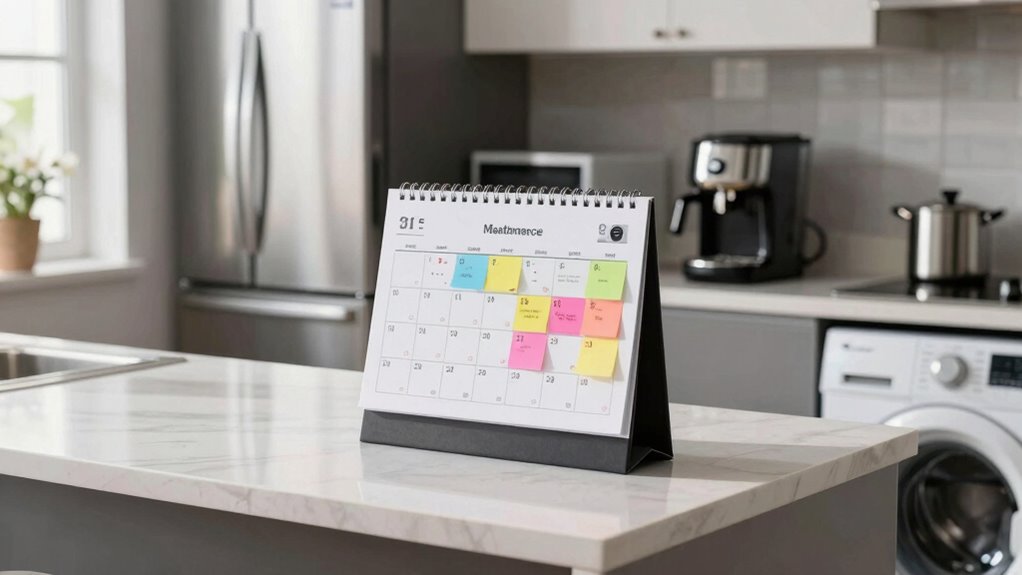

Creating a realistic home appliance maintenance calendar involves setting monthly reminders to clean filters, vents, and coils, inspecting seals, and checking for loose parts. Regular upkeep prevents breakdowns, boosts efficiency, and saves repair costs. Schedule annual professional inspections for essentials like HVAC and refrigerators. Consistently following this plan keeps your appliances running smoothly and efficiently. Keep going to discover how to customize your schedule for the most effective home care routine.

Get the little things that make your day delivered free with Prime
- Fast, free delivery on millions of items
- Prime Video, Amazon Music and more included
- Member-only deals all year
Key Takeaways
- Create a monthly schedule for cleaning filters, vents, coils, and lint screens to prevent buildup and improve efficiency.
- Perform quarterly inspections of seals, gaskets, belts, and loose parts to catch early signs of wear or damage.
- Set reminders for seasonal tasks like defrosting freezers, testing thermostats, and checking drain hoses.
- Schedule annual professional maintenance for major appliances and HVAC systems to ensure optimal performance.
- Track appliance issues like unusual noises or leaks immediately to address problems early and avoid costly repairs.
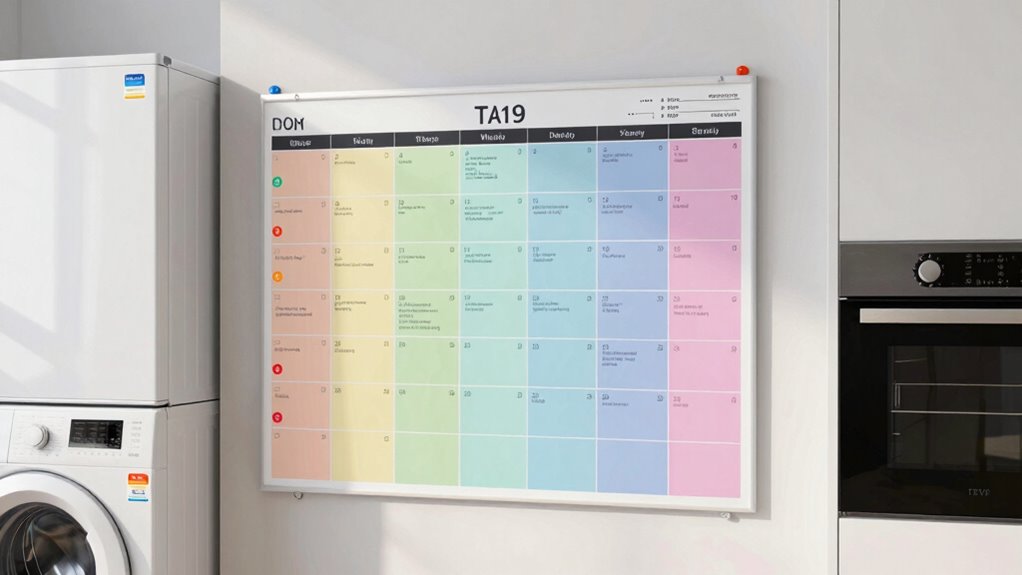
Maintaining your home appliances is vital to guarantee they run efficiently and last longer, saving you money and hassle. When you prioritize regular upkeep, you’re not only preventing unexpected breakdowns but also enhancing the energy efficiency of your appliances. An energy-efficient appliance consumes less power, which translates into lower utility bills and a smaller carbon footprint. To keep everything running smoothly, it’s helpful to develop a straightforward maintenance schedule, including troubleshooting tips that allow you to quickly identify and fix issues before they escalate.
Start by setting a monthly reminder to clean filters, vents, and coils. For example, vacuum refrigerator coils or clean dryer lint screens. These simple steps improve airflow and heat transfer, boosting energy efficiency and preventing overheating. If your appliances aren’t performing as they should, troubleshooting tips can often resolve common problems. For instance, if your dishwasher isn’t draining properly, check for clogs or blockages in the drain hose. If your washing machine makes strange noises, inspect for loose parts or worn-out belts. Troubleshooting often involves a visual check and basic maintenance, which saves money on costly repairs or replacements.
Set monthly reminders to clean filters, vents, and coils for better appliance performance.
Every few months, inspect the seals and gaskets on appliances like refrigerators and ovens. Worn or damaged seals can cause energy loss, making your appliances work harder and increasing energy bills. Replacing a faulty seal is usually inexpensive and straightforward, and it restores energy efficiency. Additionally, pay attention to unusual smells, strange noises, or inconsistent operation, as these are often early signs of issues that can be addressed with troubleshooting tips. Addressing problems early prevents small issues from turning into major repairs, extending the lifespan of your appliances.
Incorporating preventive maintenance into your routine can further enhance appliance longevity and efficiency. Annual maintenance is also vital. Schedule a professional check-up for your HVAC systems, refrigerators, and major appliances. During these visits, technicians can perform thorough cleaning, check refrigerant levels, and ensure everything operates at peak efficiency. This not only maintains energy efficiency but also helps catch potential problems early, saving you from costly repairs down the line. Remember, a little proactive maintenance goes a long way. It keeps your appliances running smoothly, reduces energy consumption, and helps you avoid sudden breakdowns.
refrigerator coil cleaning brush
As an affiliate, we earn on qualifying purchases.
As an affiliate, we earn on qualifying purchases.
Frequently Asked Questions
How Do I Customize the Maintenance Calendar for Different Appliances?
To personalize your maintenance calendar for different appliances, start by creating individualized scheduling based on each appliance’s needs. Use appliance-specific tips, like checking filters or lubricating parts, to set reminders. Adjust the frequency according to usage and manufacturer recommendations. Keep a list of tasks for each appliance, and update your calendar as needed. This approach guarantees your appliances stay in top shape without overdoing unnecessary maintenance.
What Are Signs My Appliances Need Urgent Maintenance?
Your appliances are whispering warning signs when they start acting up. Listen closely for strange noises, persistent leaks, or odd smells, as these are signals for urgent repairs. If your washing machine stops mid-cycle or your fridge isn’t cooling properly, don’t ignore it. These signs indicate your appliances need prompt attention to prevent bigger problems. Catching these early keeps your home running smoothly and saves you money in the long run.
Can I Perform Maintenance Tasks Myself or Should I Hire a Professional?
You can often handle simple DIY tips like cleaning filters or checking hoses yourself, but for complex tasks or if you’re unsure, it’s better to hire professional services. Performing maintenance yourself saves money and time, yet professional technicians ensure thorough, safe repairs. Assess your skills and the task’s complexity before deciding. When in doubt, consulting a professional guarantees your appliance stays in top shape and avoids potential damage.
How Do I Track Maintenance History for Each Appliance?
Think of tracking maintenance history like keeping a diary for your appliances. You should maintain detailed maintenance records for each appliance, noting dates, tasks, and any issues. Use a dedicated notebook, digital spreadsheet, or an app to log this information regularly. This way, you’ll have a clear appliance history, making it easier to spot patterns, schedule future maintenance, and guarantee your appliances run smoothly, just like well-oiled machines.
Are There Eco-Friendly Maintenance Tips to Extend Appliance Lifespan?
You can extend your appliance lifespan with eco-friendly tips like regular cleaning, using energy-efficient settings, and avoiding overloading. Make sure to unplug devices when not in use to save energy and reduce wear. Opt for eco-friendly cleaning products that don’t damage components. Proper maintenance reduces strain on parts, helping your appliances last longer. These simple habits boost efficiency and support sustainability without sacrificing performance, keeping your appliances running smoothly for years.
Conclusion
Think of your home like a garden, needing regular tending to bloom beautifully. With this maintenance calendar as your trusted gardener, you’ll prune, water, and nurture each appliance, ensuring they stay healthy and efficient. Skipping your routine is like ignoring weeds—you might get away with it for a while, but eventually, things will overgrow. Stay consistent, and your home will flourish, turning everyday chores into a dance that keeps your appliances humming happily along.
Columbus Day / Indigenous Peoples' Day Picks
long weekend sales
As an affiliate, we earn on qualifying purchases.