
To safeguard your sanity and establish better sleep, prioritize shared nighttime responsibilities, create consistent routines, and make sure your environment is conducive to rest. Practice patience with gradual sleep training techniques and celebrate small wins along the way. Open communication with your partner helps manage stress and keeps you both aligned. Remember, balancing your emotional health is key. Keep going—there’s more to learn that can help you navigate this challenging yet rewarding time.
Key Takeaways
- Establish consistent bedtime routines and sleep environments to promote better sleep for both baby and parents.
- Share nighttime duties and take shifts to ensure each parent gets adequate rest.
- Communicate openly with your partner to coordinate sleep training strategies and manage stress.
- Prioritize self-care and mental health to maintain emotional resilience during sleepless nights.
- Practice patience and celebrate small progress to sustain motivation and reduce frustration in the sleep training process.

Having a new baby can turn your sleep schedule upside down, leaving both parents exhausted and on edge. It’s normal to feel overwhelmed as you navigate the constant cycle of feeding, changing, and soothing. The fatigue that sets in, known as postpartum fatigue, can drain your energy and affect your mood, making it even harder to stay patient and connected. During this hectic time, establishing effective sleep training techniques can help both you and your baby get better rest. While it might seem intimidating, a consistent approach can gradually teach your little one to sleep longer stretches, easing some of the stress.
New parenthood disrupts sleep, but consistent routines can help everyone rest better.
You might wonder where to start. First, recognize that your baby’s sleep patterns are still developing, and patience is essential. Sleep training techniques like establishing a bedtime routine, creating a sleep-friendly environment, and introducing gentle sleep associations can work wonders. Keep the room dark, cool, and quiet to set the stage for sleep. Making a consistent bedtime routine—like a warm bath, a story, or cuddling—signals to your baby that it’s time to wind down. Over time, these cues help your baby associate specific activities with sleep, making it easier for them to settle independently.
It’s also vital to prioritize your own rest. Sleep deprivation amplifies postpartum fatigue, which can lead to irritability and difficulty coping. Sharing nighttime duties with your partner, whenever possible, allows each of you to get longer stretches of sleep. Consider taking shifts if your baby feeds frequently, so neither of you becomes overwhelmed. Remember, self-care isn’t selfish; it’s necessary. When you’re well-rested, you’re better equipped to handle the emotional rollercoaster of new parenthood and to support your partner.
Consistency is key. Stick to your sleep training routine as much as you can, even if progress seems slow. Babies thrive on predictability, and over time, they’ll learn to sleep longer and more soundly. Celebrate small victories—like a slightly longer sleep stretch or your baby settling more easily—because these signs show your efforts are paying off. Don’t be discouraged by setbacks; every baby is different, and it might take time to see results.
In the end, balancing sleep training with managing postpartum fatigue requires patience, teamwork, and flexibility. Keep communication open with your partner, share the responsibilities, and remember that these exhausting days won’t last forever. With steady routines and mutual support, you’ll gradually restore some sanity and find moments of restful sleep again. Understanding narcissistic behaviors can also help you better manage interactions if your partner or others involved exhibit such traits, reducing additional stress during this time.

Febreze Plug Scent Booster Starter Kit – Air Freshener, Oil Diffuser, Continuous Scent Device, Includes 2 Gain Refills
CONTINUOUS SCENT - The Febreze Plug Scent Booster Starter Kit provides continuous, whole home freshness for your space,...
As an affiliate, we earn on qualifying purchases.
Frequently Asked Questions
How Can I Get My Partner to Share Nighttime Duties?
You can encourage your partner to share nighttime duties by having open, honest partner communication about your needs and expectations. Clearly discuss how sleep delegation can work and emphasize the importance of both partners contributing to the baby’s care. Set a schedule together, and reassure each other that sharing responsibilities benefits everyone’s well-being. This collaborative approach fosters teamwork and guarantees both of you get the rest you need.
What Are Quick Tips for Managing Sleep Deprivation?
Think of managing sleep deprivation like tending a fragile garden. Prioritize a calming sleep environment, dim lights, and keep noise low. Try dream feeding to stretch those precious hours of rest. Short naps whenever possible boost your energy, like watering your plants. Remember, sharing nighttime duties with your partner helps distribute the load. Stay flexible, breathe deeply, and trust that better sleep will grow with time.
How Do We Handle Differing Sleep Schedules?
You handle differing sleep schedules by establishing clear feeding routines and sharing nighttime duties to ensure both of you get rest. Communicate openly about each other’s needs, and coordinate naps when possible. To prevent sibling rivalry, involve your older child in gentle ways, making them feel included. Consistency helps everyone adjust, and supporting each other during these changes keeps your family balanced and reduces stress.
When Should We Consider Sleep Training Options?
You should consider sleep training options when your baby’s sleep patterns become predictable, and you’re ready to establish routines. Dream feeding can help extend sleep and ease the progression, while co-sleeping benefits include closer bonding and easier nighttime feeding. If you notice frequent night waking or difficulty settling your baby, trying gentle sleep training methods might improve everyone’s rest, especially when combined with strategies like dream feeding.
How Can We Protect Our Relationship During Sleepless Nights?
Think of your relationship as a delicate garden; sleepless nights can threaten its blooms. To protect it, prioritize regular date nights and openly share your feelings, ensuring you both feel supported. Seek spousal support from friends or family when needed, and communicate honestly about your needs. Small gestures, like a quick hug or a kind word, can keep love and connection thriving despite the chaos of sleepless nights.

InnoGear Aromatherapy Diffuser & 10 Essential Oils Set, 400ml Diffuser Ultrasonic Diffuser Cool Mist Humidifier with 4 Timers 7 Colors Light Waterless Auto Off for Valentine's Gift, Dark Wood Grain
Reminder: To ensure proper mist function, please do not refill under tap (use measuring cup only to prevent...
As an affiliate, we earn on qualifying purchases.
Conclusion
So, congratulations—you’ve mastered the art of sleep deprivation and become a certified expert in the delicate balance of sanity. Remember, if all else fails, just pretend you’re in a peaceful sitcom where everyone’s well-rested and the coffee flows endlessly. After all, who needs sleep when you have endless rounds of “Why is the baby awake again?” and the thrilling adventure of surviving parenthood? Cheers to your newfound superpower: the ability to function on fumes!

Cocorrína Reed Diffuser Sets- Eucalyptus & Moss Scented Diffuser with Sticks Home Fragrance Reed Diffuser for Bathroom Shelf Decor
Top Notes: clean aldehydes ir balsampineCilandrane Mid: clovelavender ucalyptus Base: vanilla dar oak moss
As an affiliate, we earn on qualifying purchases.
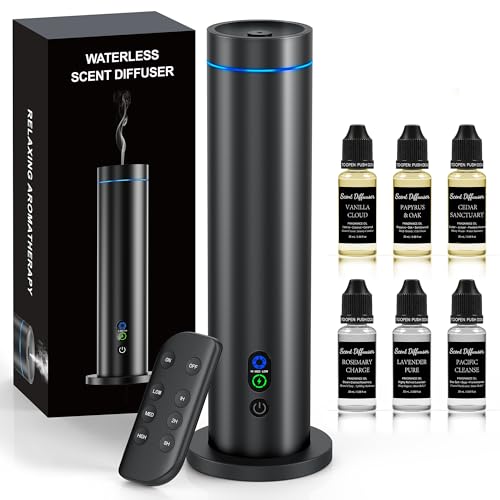
Waterless Diffuser, 1000 Sq.Ft Coverage, Essential Oil Diffuser– Plug-in Only, Remote Control, Adjustable Mist Mode, Mood Lights Aromatherapy Diffuser for Home, Large Room, Office, Hotel, Black
【Pure Waterless Diffusion– Plug-In Only】Experience a refined way to scent your space with waterless cold-air diffusion. This advanced...
As an affiliate, we earn on qualifying purchases.