
To reset sibling rivalry with lasting peace, start by establishing clear sharing rules and routines that promote fairness. Teach your children conflict resolution skills like listening, compromising, and expressing feelings. Model respectful behavior and praise their efforts to resolve disputes peacefully. Be patient and consistent in applying these strategies, knowing that building harmony takes time. By creating a supportive, empathetic environment, you’ll help transform rivalry into cooperation—keep exploring to strengthen your approach further.

Get the little things that make your day delivered free — and shop member deals
- Fast, free delivery on millions of items
- Access to Prime Big Deal Days deals on October 6–7
- Prime Video, Amazon Music and more included
Key Takeaways
- Establish clear sharing rules and routines to minimize disputes and promote empathy and patience.
- Teach children conflict resolution skills like active listening and proposing compromises.
- Model respectful behavior and praise successful conflict management to reinforce positive habits.
- Maintain patience and consistency to build trust and facilitate long-term behavioral change.
- Create a supportive environment that addresses emotional issues and nurtures sibling bonds.
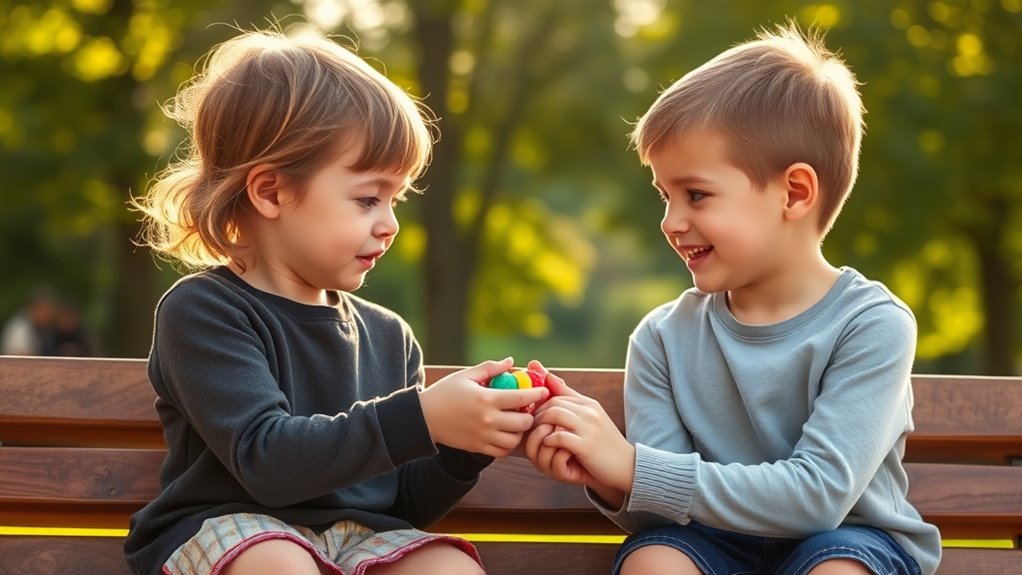
Sibling rivalry can feel like an endless battle, but it doesn’t have to stay that way. When conflicts arise between your kids, it’s natural to feel overwhelmed or frustrated, but you have the power to change the dynamic. The key is implementing effective sharing strategies and teaching your children how to resolve conflicts peacefully. These techniques foster understanding and cooperation, transforming rivalry into camaraderie.
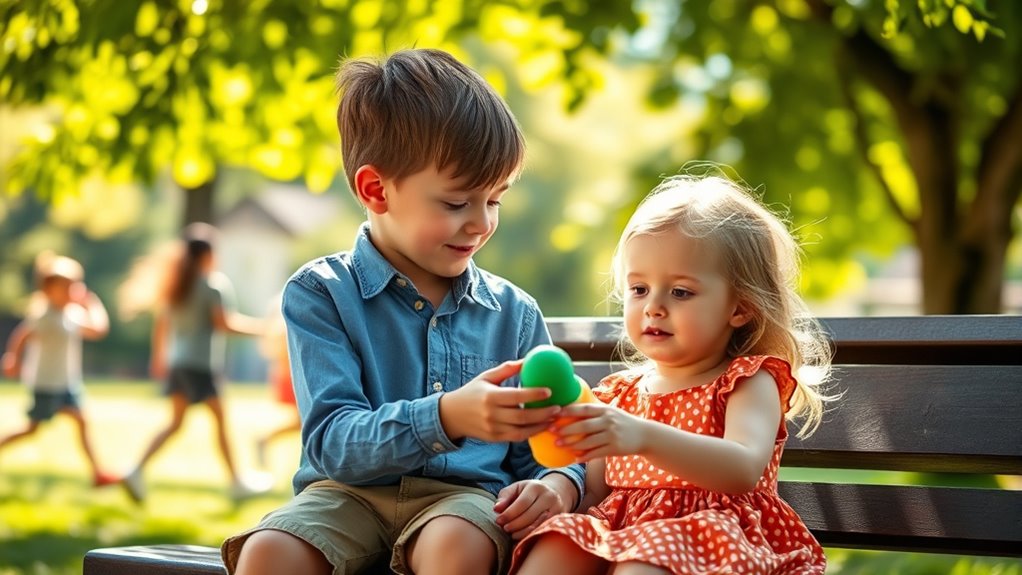
Start by setting clear expectations about sharing. Children often struggle with taking turns or giving up possessions, leading to frequent disputes. Encourage them to express their feelings and needs openly. For example, if two siblings want to play with the same toy, guide them to communicate calmly, saying something like, “I want to play with this now, but I’ll share it with you after I finish.” Reinforcing the idea that sharing is a way to make everyone feel valued helps children develop empathy and patience. Consistent routines around sharing, like designated times for favorite toys, can also minimize conflicts before they start.
Conflict resolution is another essential skill you should teach your kids. When disagreements happen, rather than stepping in immediately to solve the problem, give your children the opportunity to work it out on their own. Encourage them to listen to each other’s perspectives, ask questions, and suggest compromises. Phrases like, “What do you think would be a fair solution?” or “How can we make this work for both of you?” empower children to think critically about their actions and feelings. Over time, they’ll learn that conflicts aren’t about winning or losing but about finding mutually acceptable solutions.
Active involvement is vital. Model conflict resolution in your own interactions, showing your children how to handle disagreements calmly and respectfully. When they see you negotiating or apologizing, they understand that conflicts are normal but manageable. Praise their efforts when they successfully resolve disputes, reinforcing positive behavior. Also, create a family environment where feelings are acknowledged and respected. When children feel heard, they’re less likely to act out through rivalry.
Finally, be patient. Changing sibling dynamics takes time, especially if rivalry has become ingrained. Consistency in enforcing sharing strategies and conflict resolution techniques builds a foundation of trust and understanding. Remember, your role isn’t just to mediate disputes but to guide your children toward becoming empathetic, cooperative individuals who can handle disagreements constructively. Recognizing patterns of emotional coldness is crucial for addressing long-term relational issues. With effort and patience, you can reset sibling rivalry into a lasting peace plan that promotes harmony and strengthens sibling bonds.
Frequently Asked Questions
How Can Parents Prevent Sibling Rivalry From Escalating?
To prevent sibling rivalry from escalating, you should implement effective parental strategies that promote fairness and understanding. Encourage open communication and teach conflict resolution skills so your children learn to handle disagreements constructively. Set clear boundaries and avoid favoritism, ensuring each child feels valued. By staying consistent and modeling respectful behavior, you create a peaceful environment where rivalry diminishes and positive relationships flourish.
Are There Specific Age Groups More Prone to Rivalry?
You might notice that certain age groups, especially those with close age differences, are more prone to rivalry. When siblings are close in age, their sibling dynamics tend to intensify, leading to frequent conflicts and jealousy. Younger children, still learning social skills, can also spark rivalry. As a parent, understanding these patterns helps you intervene early, turning rivalry into opportunities for growth and stronger bonds.
What Role Does Personality Play in Sibling Conflicts?
Personality differences substantially influence sibling conflicts because they determine how you respond to situations. If one sibling has a more dominant or sensitive personality, it can create conflict triggers that spark disagreements. Your personality shapes your reactions and tolerance levels, making conflicts more or less likely. Recognizing these differences helps you understand your sibling’s behavior, allowing you to address conflicts more effectively and foster lasting peace.
How Long Does It Usually Take to See Improvement?
You might start seeing improvement in sibling conflicts within a few weeks, but it varies based on emotional triggers and how consistently you practice conflict resolution. If you stay patient and address issues calmly, positive changes often emerge faster. Keep in mind that ongoing communication and understanding help build lasting peace. Regularly working on emotional triggers and applying conflict resolution strategies accelerates progress, making conflicts less frequent and intense over time.
Can Sibling Rivalry Affect Mental Health Long-Term?
Sibling rivalry can impact your mental health long-term if unresolved, affecting your emotional resilience and overall well-being. Negative sibling dynamics may lead to chronic stress, anxiety, or low self-esteem over time. To protect your mental health, it is crucial to develop healthy boundaries and communicate openly. Addressing conflicts early helps foster emotional resilience, ensuring that sibling relationships don’t negatively influence your mental health in the long run.
Conclusion
Remember, nearly 85% of siblings experience conflicts, but with patience and open communication, peace is possible. You have the power to reset your relationship and create lasting harmony. Every effort you make counts—small gestures can lead to big changes. Imagine turning rivalry into a bond that lasts a lifetime. It’s not impossible; it’s within your reach. Start today, and watch your sibling relationship transform into a source of love and support.
NFL season / tailgating Picks
team gear
As an affiliate, we earn on qualifying purchases.