When cleaning hardwood floors, it’s essential to avoid using too much water, as excess moisture can cause warping, cupping, and long-term damage. Use damp, well-wrung mops or cloths instead of soaking wet tools. Quick wipe-ups of spills help prevent moisture absorption, while choosing gentle, pH-neutral cleaners protects the finish. If you stay mindful of water use, your floors will stay beautiful longer—discover more tips to keep them pristine.
Key Takeaways
- Use only damp, well-wrung cloths or mops to prevent excess water from seeping into the wood.
- Avoid steam mops and excessive water application to minimize moisture exposure.
- Wipe up spills immediately to prevent moisture from penetrating the wood or seams.
- Regularly sweep or vacuum to remove debris and reduce the need for wet cleaning.
- Follow manufacturer instructions and test cleaning solutions on small areas to prevent damage.

Are you wondering how to keep your hardwood floors looking their best? Proper wood floor maintenance starts with understanding the importance of using the right cleaning solutions and avoiding common mistakes, like over-wetting the floor. Many people believe that more water means a cleaner floor, but in reality, excess moisture can cause serious damage. Hardwood floors are sensitive to water, and too much of it can lead to warping, cupping, or even staining. That’s why it’s essential to adopt a cleaning routine that emphasizes minimal water use and effective cleaning solutions.
Proper hardwood floor maintenance requires minimal water and gentle cleaning solutions to prevent damage.
When it comes to cleaning hardwood floors, always opt for damp, not soaking wet, mops or cloths. Use a microfiber mop or a well-wrung cloth to pick up dirt and dust without leaving excess moisture behind. Remember, the key to good wood floor maintenance is controlling the amount of water that touches the surface. Even a small puddle of water can seep into seams and cause long-term damage, so it’s crucial to wring out your cleaning tools thoroughly. Avoid using harsh chemicals or overly wet mops, as these can strip finishes and weaken the wood over time.
Many cleaning solutions on the market are designed specifically for hardwood floors. Look for products that are pH-neutral, free of harsh acids or alkalis, and formulated for wood surfaces. These solutions help lift dirt without leaving residues that can dull the finish or attract more dust. Always follow the manufacturer’s instructions when applying cleaning solutions, and test a small, inconspicuous area first to ensure compatibility. A simple mixture of a few drops of dish soap in a bucket of water can sometimes suffice for routine cleaning, provided you don’t use too much water.
Preventing water damage also involves quick cleanup of spills. When you notice a spill, wipe it up immediately with a dry or slightly damp cloth. The longer moisture sits on the surface, the greater the risk of damage. Regular sweeping or vacuuming helps remove debris that can scratch the finish—another aspect of good wood floor maintenance. Avoid using steam mops or excessive amounts of water, as these tools can introduce more moisture than your floors can handle.
Additionally, choosing appropriate cleaning tools designed for hardwood floors can further reduce the risk of water damage and help maintain the finish. In essence, maintaining your hardwood floors requires mindful use of cleaning solutions and a careful approach to moisture. By controlling water exposure and choosing the right cleaning products, you protect your investment and keep your floors looking beautiful for years. Remember, when in doubt, less water and gentle cleaning solutions are always better.
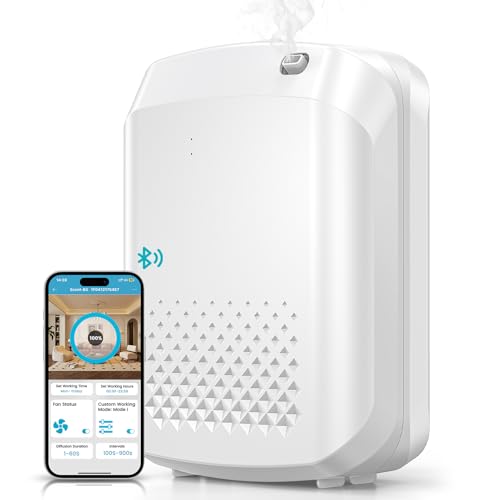
XEITIN Waterless Essential Oil Diffuser 3000 Sq.Ft Coverage for Large Home Hotel Office, 400ml Cold Air Scent Machine, Bluetooth App Control, No-Noise Aroma Diffuser Wall Mount Gift for Mom for Her
Waterless Cold Air Diffusion – No Humidity, Pure Relaxation. Enjoy long-lasting fragrance with our waterless essential oil diffuser....
As an affiliate, we earn on qualifying purchases.
Frequently Asked Questions
Can I Use a Steam Mop on Hardwood Floors?
You can use a steam mop on hardwood floors if you prioritize mop safety. Steam cleaning can be effective, but only if the steam mop has adjustable settings and you avoid excessive water. Use the lowest steam setting and keep the mop moving to prevent water from seeping into the wood. Always check your floor’s finish and manufacturer’s guidelines to prevent damage and guarantee safe, effective cleaning.
How Often Should I Deep Clean Hardwood Floors?
You should deep clean your hardwood floors every 6 to 12 months, depending on foot traffic and your maintenance schedule. Regular sweeping and quick cleanups are essential, but deep cleaning helps remove stubborn dirt and restores shine. Follow a consistent maintenance schedule, and avoid over-wetting the floors to prevent damage. Deep cleaning too often isn’t necessary and could harm your floors, so stick to this recommended frequency for best results.
What Are the Best Natural Cleaning Solutions for Hardwood?
You should use natural ingredients like white vinegar, castile soap, or olive oil for cleaning hardwood floors. These eco-friendly solutions effectively remove dirt without harsh chemicals or excess water. Mix a small amount of vinegar with water for a gentle, natural cleaner, and add a few drops of essential oils for a fresh scent. Always dampen your mop, never soak, to avoid damaging your hardwood.
How Do I Remove Stubborn Stains Without Damaging the Finish?
Did you know that 85% of hardwood floor damage comes from improper stain removal? To effectively remove stubborn stains without damaging your finish, gently use a soft cloth with a mixture of vinegar and water, or apply a small amount of baking soda paste. Always test in an inconspicuous area first. This approach guarantees stain removal while preserving your hardwood’s finish, keeping it looking beautiful for years.
Is It Safe to Use Vinegar on Hardwood Floors?
Vinegar safety on hardwood floors depends on how you use it. While vinegar can be a natural hardwood cleaning solution, it’s best to dilute it properly—mix one part vinegar with ten parts water—to avoid damage. Avoid using full-strength vinegar, as it can harm the finish. Always test a small, hidden area first. So, when used correctly, vinegar can be an effective and safe hardwood cleaning solution.
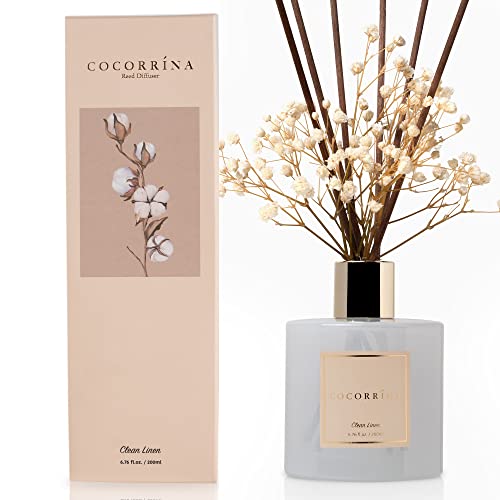
Cocorrína Reed Diffuser Set, Clean Linen 6.7 fl oz Scented Diffuser with Sticks Home Fragrance Reed Diffuser for Bathroom Shelf Decor
Fresh scent Clean Linen : Keep it clean with air. Crafted with notes of Crisp Air, Fresh Laundry...
As an affiliate, we earn on qualifying purchases.
Conclusion
To keep your hardwood floors looking their best, avoid using too much water during cleaning. For example, imagine a homeowner who soaked their floor with excessive water, leading to warping and damage. By using a damp mop and quick drying techniques, you prevent costly repairs. Remember, less water is always better. With careful cleaning, your hardwood floors will stay beautiful and durable for years to come. Keep it simple, and avoid the “too much water” trap!

Waterless Essential Oil Diffuser, Portable Aromatherapy Diffuser with 20mL Capacity, Battery Operated Mini Scent Diffuser,3 Mist Levels & Timers, Leak-Free, for Home, Car, Office (Black)
【Waterless Essential Oil Diffuser for Pure Aroma】Our advanced waterless diffuser technology transforms your favorite essential oils into a...
As an affiliate, we earn on qualifying purchases.
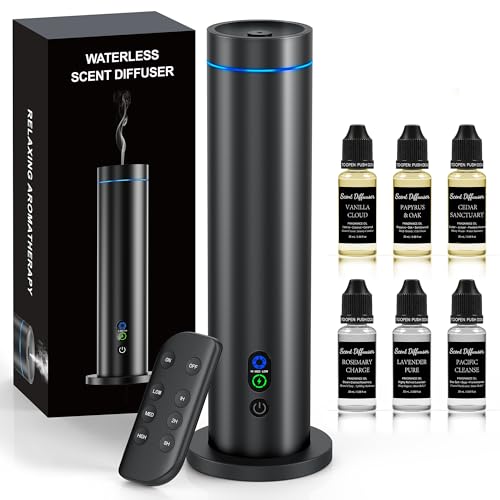
Waterless Diffuser, 1000 Sq.Ft Coverage, Essential Oil Diffuser– Plug-in Only, Remote Control, Adjustable Mist Mode, Mood Lights Aromatherapy Diffuser for Home, Large Room, Office, Hotel, Black
【Pure Waterless Diffusion– Plug-In Only】Experience a refined way to scent your space with waterless cold-air diffusion. This advanced...
As an affiliate, we earn on qualifying purchases.