To guarantee microwave safety and efficiency, always use microwave-safe containers and avoid metal or aluminum foil. Regularly clean your microwave, especially the turntable and interior, to prevent buildup that can cause noise or uneven heating. Check the turntable and support parts for damage, and don’t operate the microwave if it makes loud buzzing or clicking sounds. Proper routine maintenance and observing safety precautions help extend your microwave’s life and performance—discover more tips to keep it running smoothly.
Key Takeaways
- Regularly clean the interior and turntable to prevent debris buildup that can cause wobbling and uneven heating.
- Avoid metal objects or aluminum foil inside the microwave to prevent sparks and damage to internal components.
- Use microwave-safe containers and covers to ensure safety and optimal cooking efficiency.
- Inspect and maintain internal parts like the magnetron and turntable motor to prevent noise issues and malfunctions.
- Follow manufacturer guidelines for maintenance, replacement parts, and safe operation to extend appliance lifespan.
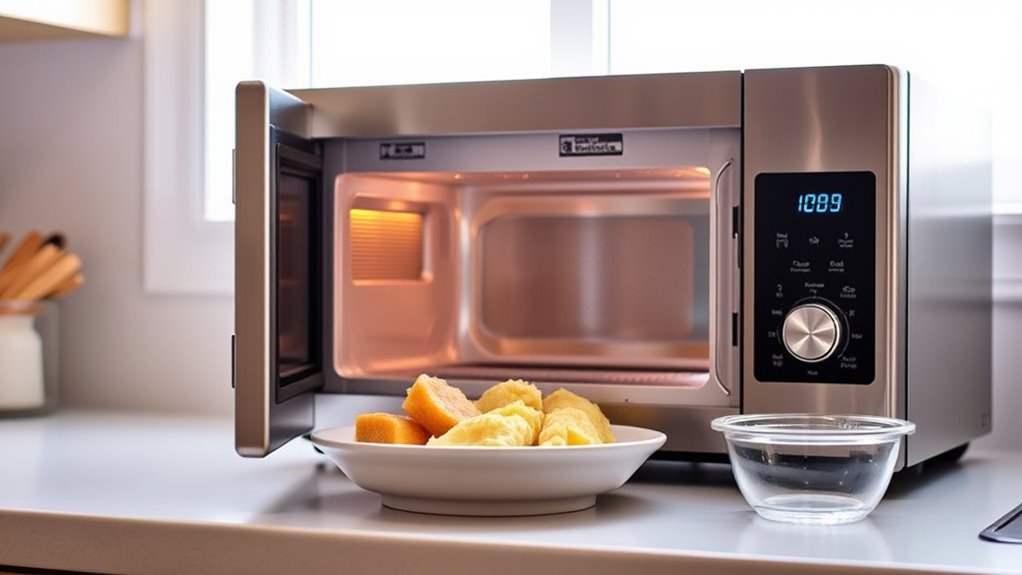
Have you ever wondered if your microwave is both safe to use and operating efficiently? One of the first signs you should check is the noise it makes during operation. Microwave noise is normal to some extent, but if you notice loud buzzing, humming, or unusual clicking sounds, it could indicate a problem. Excessive noise often points to issues with the magnetron or the turntable motor, which can affect both safety and performance. Ignoring these sounds might lead to further damage or even safety hazards. To keep your microwave functioning properly, it’s essential to pay attention to these noises and address any irregularities promptly. Regularly inspecting for unusual sounds can help you catch problems early, saving you money and preventing potential accidents.
Turntable maintenance is another critical aspect of microwave safety and efficiency. Your microwave’s turntable isn’t just for convenience; it ensures even cooking by rotating food continuously. Over time, the turntable and its support ring can accumulate dirt, food debris, or grease, which can cause it to wobble or stop turning altogether. If the turntable doesn’t spin smoothly, your food may cook unevenly, reducing efficiency and risking hot spots that could lead to burns or fires. To prevent this, regularly remove the turntable and wash it with warm, soapy water. Also, inspect the support ring and rollers for any damage or buildup that might hinder movement. Proper maintenance of the turntable not only extends the lifespan of your microwave but also ensures food is cooked evenly and safely. Additionally, understanding the internal components of your microwave can help you better identify when repairs or replacements are needed to maintain optimal performance.
In addition to cleaning, make sure the turntable is correctly aligned when you put it back in. Misalignment can cause unnecessary strain on the motor, increasing the risk of noise and mechanical failure. Keep the interior of your microwave clean and free of food splatters, which can affect the operation of the turntable motor and the magnetron. Avoid using metal objects or aluminum foil inside, as these can cause sparks or damage the components. Also, always follow the manufacturer’s instructions regarding turntable replacement parts and cleaning routines. Proper turntable maintenance enhances the microwave’s efficiency by ensuring even heating and reduces the likelihood of sudden breakdowns or safety issues caused by mechanical failure.

Rubbermaid Brilliance BPA-Free Food Storage Containers, Medium Deep, 4.7 Cup, 2-Pack, Airtight & Leak-Proof, Microwave & Dishwasher Safe
Rubbermaid Brilliance 100% leak-proof food storage containers feature BPA-free Tritan lids and bases with 360-degree clarity; airtight seal…
As an affiliate, we earn on qualifying purchases.
As an affiliate, we earn on qualifying purchases.
Frequently Asked Questions
Can I Microwave Metal Utensils Safely?
You shouldn’t microwave metal utensils because metal safety is a concern; it can cause sparks or fires. Always avoid placing metal utensils in your microwave, as they reflect microwave energy, leading to potential damage. Use utensil precautions by opting for microwave-safe dishes instead. If you need to heat food in a container with metal accents, remove the metal parts first, ensuring safe and efficient microwave use.
How Often Should I Clean My Microwave?
You should clean your microwave at least once a week as part of your regular cleaning schedule. Regular maintenance tips include wiping down the interior with a damp cloth and using a mild cleaner to remove food splatters and spills. If you notice strong odors or stains, clean it more often. Keeping your microwave clean guarantees it runs efficiently and extends its lifespan, making your kitchen safer and more hygienic.
Is It Safe to Microwave Plastic Containers?
Microwaving plastic containers is like walking a tightrope—you need to know the right steps. Not all plastics are created equal; some, marked with specific container labels like “microwave-safe,” are designed for this dance. Avoid plastics with recycling codes 3, 6, or 7, which can leach harmful chemicals. Always check the label, and when in doubt, transfer your food to glass or ceramic containers for safe, worry-free heating.
What’s the Best Way to Prevent Uneven Heating?
To prevent uneven heating, you should focus on food placement and stirring techniques. Arrange your food evenly in the microwave, avoiding large clumps or thick areas, and spread it out for better heat distribution. Stop the microwave halfway through, stir the food thoroughly, and continue heating to make certain of even warmth throughout. This approach helps avoid cold spots and ensures your food heats uniformly and safely.
Do Microwave Ovens Emit Harmful Radiation?
You don’t need to worry about harmful radiation exposure from your microwave. Modern models are designed with safety features to prevent microwave leaks, keeping radiation contained. While microwave ovens emit non-ionizing radiation during operation, it’s safe when used properly. Simply guarantee the door seals well and avoid tampering with the unit. When maintained correctly, your microwave safely heats food without risking radiation exposure or leaks.

12" Microwave Replacement Turntables, Microwave Glass Plate Compatible with Replacement Part of W11367904/ W10337247/ AP6892124/ W11335034/ WPW10337247 etc – Dishwasher Safe
CALPALMY EXACT REPLACEMENT 12" MICROWAVE GLASS PLATE – This glass turntable plate has an outer diameter of 12…
As an affiliate, we earn on qualifying purchases.
As an affiliate, we earn on qualifying purchases.
Conclusion
By following these simple do’s and don’ts, you’ll access the true power of your microwave—like a trusted ally in your kitchen. Remember, safety and efficiency go hand in hand; neglect one, and both suffer. So, keep your microwave in tip-top shape, and it’ll serve you well for years to come. Think of it as a magic wand—wield it wisely, and you’ll always produce perfect meals with ease and confidence.

20-Piece Crevice Cleaning Brush Set – Multifunctional Kit with Precision Brushes, Scraper&Shower Cleaner Brush for Car, Kitchen, Bathroom, Grout, Sink, Cup, Teapot, Bottle, Blender, Corners &More
【20-Piece Comprehensive Crevice Cleaning Solution】Including 3 precision crevice brushes, 2 keyboard detail brushes, 10 showerhead nozzles cleaners, 3…
As an affiliate, we earn on qualifying purchases.
As an affiliate, we earn on qualifying purchases.
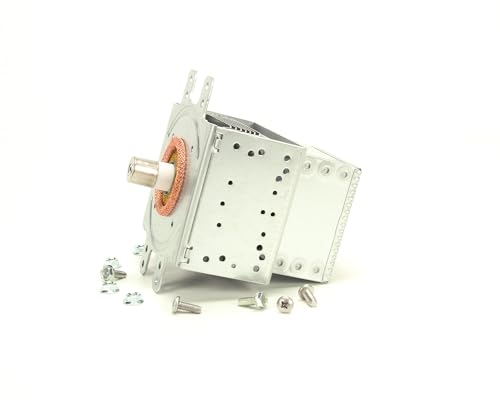
Turbochef Magnetron Kit, Service Kit NGC-3015 – Genuine OEM Replacement Part
Guaranteed Compatibility – OEM parts fit and function exactly like the original components, ensuring a perfect match
As an affiliate, we earn on qualifying purchases.
As an affiliate, we earn on qualifying purchases.