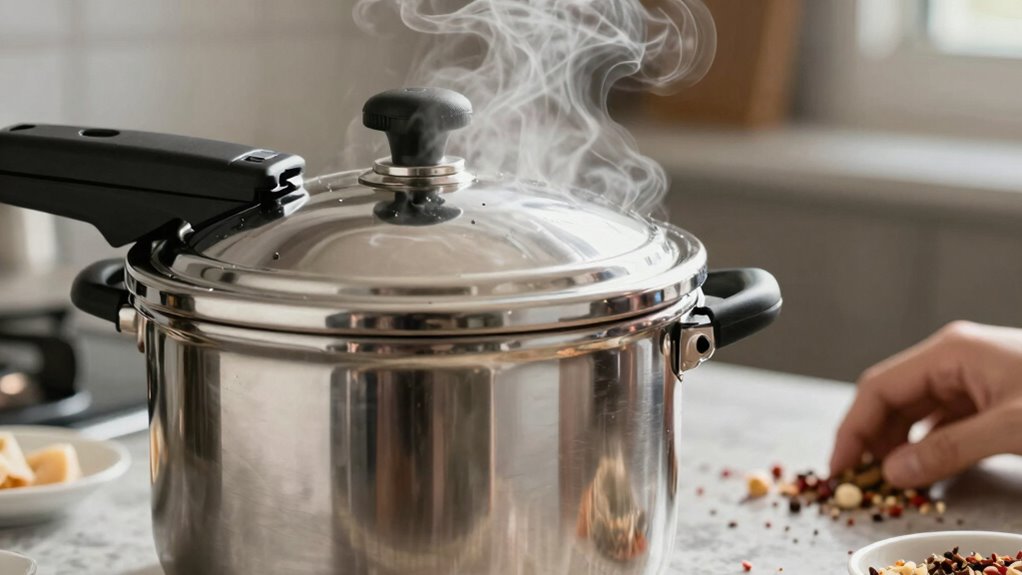

Many quiet mistakes can turn a pressure cooker into a safety hazard. Skipping regular checks of the sealing ring or pressure release valve can cause dangerous leaks or sudden releases of steam. Forcing the lid open under pressure or ignoring signs of damage increases the risk of burns or injuries. Proper maintenance and understanding how your model works are vital. Keep these tips in mind, and you’ll avoid costly mistakes—more key safety tips await to keep you safe.
Key Takeaways
- Regularly inspect and clean the sealing ring to prevent leaks and ensure a proper airtight seal.
- Test pressure release valves frequently to confirm they vent safely and effectively.
- Avoid forcing open the lid under pressure; always wait until pressure fully releases.
- Check for cracks or deformation in the sealing ring, replacing it immediately if damaged.
- Follow manufacturer instructions for maintenance and safe operation to prevent silent pressure buildup issues.
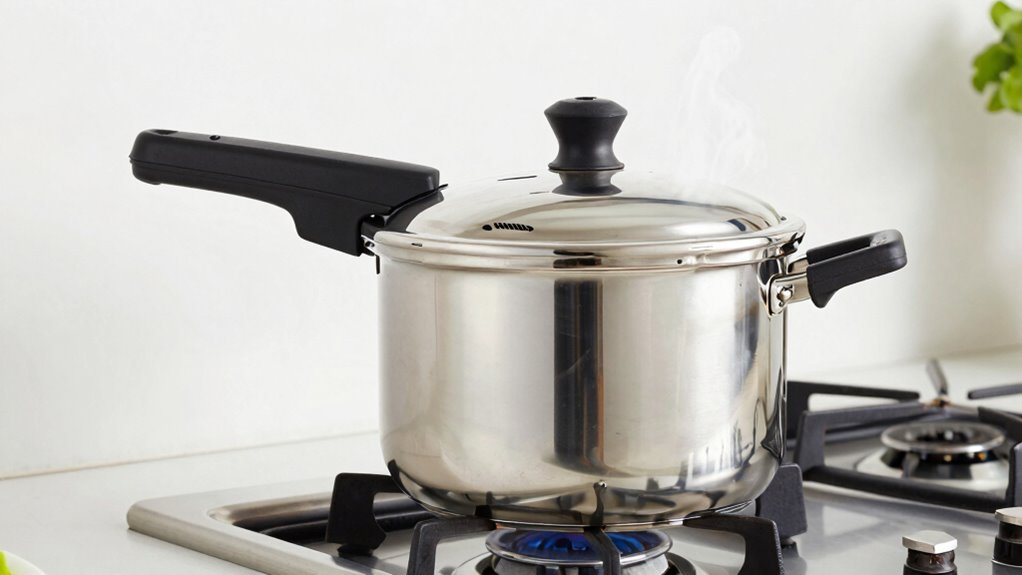
Pressure cookers are convenient tools that can save you time in the kitchen, but they also pose safety risks if not used properly. One of the most common issues that lead to dangerous situations is improper pressure release. When the pressure inside the cooker isn’t released correctly, it can cause a sudden and forceful escape of steam or even hot liquid, which may result in burns or other injuries. Always make certain you understand your specific model’s pressure release mechanisms, whether it’s a natural release, quick release, or a combination of both. Never force the lid open while the cooker is still under pressure, as this can cause a dangerous burst of steam or hot food. Regularly testing pressure release mechanisms ensures they function correctly and safely. Another critical component to check regularly is the sealing ring. This rubber or silicone gasket creates an airtight seal that allows pressure to build up safely inside the cooker. Over time, the sealing ring can become cracked, warped, or sticky, which compromises the seal and can lead to steam leakage or even a sudden loss of pressure. Before each use, inspect the sealing ring carefully. If you notice any tears, discoloration, or deformation, replace it immediately. A faulty sealing ring not only affects cooking efficiency but also considerably increases the risk of accidents. Properly fitting the sealing ring is essential for maintaining safety; ensure it sits snugly in its groove and that it’s free of debris or food residue, which can prevent a tight seal. Many accidents occur because users neglect routine maintenance or overlook small but essential details like the sealing ring and pressure release. Always follow the manufacturer’s instructions for cleaning and replacing parts. When cleaning the pressure cooker, remove the sealing ring and wash it thoroughly with warm, soapy water. Dry it completely before reinserting it to prevent mold or deterioration. Similarly, ensure the pressure release valve or vent is clear of any blockages or residue that could hinder pressure escape. Regular maintenance of these parts helps prevent buildup that might cause the pressure to escape suddenly or fail to release when needed.

InnoGear Aromatherapy Diffuser & 10 Essential Oils Set, 400ml Diffuser Ultrasonic Diffuser Cool Mist Humidifier with 4 Timers 7 Colors Light Waterless Auto Off for Valentine's Gift, Dark Wood Grain
Reminder: To ensure proper mist function, please do not refill under tap (use measuring cup only to prevent...
As an affiliate, we earn on qualifying purchases.
Frequently Asked Questions
Can Pressure Cookers Be Used on Induction Stovetops?
Yes, you can use pressure cookers on induction stovetops if they’re induction compatible. Check the bottom of your pressure cooker for an induction compatibility symbol or test it with a magnet—if it sticks, it’s safe for your stove. Always prioritize stove safety by following manufacturer instructions, ensuring your cooker is compatible, and avoiding overheating or using damaged cookware. This way, you prevent accidents and enjoy safe, efficient cooking.
How Long Should I Wait Before Opening After Cooking?
Imagine the steam slowly escaping like whispers from a secret; that’s your cue to wait. You should wait at least 10-15 minutes after cooking before opening your pressure cooker. This timing precaution allows pressure to safely release, preventing dangerous messes or burns. Don’t rush the safety delay, even if you’re keen to see your meal. Patience ensures safe, mess-free results and keeps you out of harm’s way.
Are There Specific Cleaning Tips for Safety?
To guarantee safety, follow specific cleaning routines for your pressure cooker. Always unplug it and let it cool completely before cleaning. Use warm, soapy water and a soft cloth to remove residue buildup, avoiding abrasive scrubbers. Regularly clean the gasket and valve to prevent blockages. Proper maintenance reduces the risk of accidents, keeps your cooker functioning efficiently, and prolongs its lifespan. Never skip these essential cleaning steps after each use.
What’s the Maximum Fill Line for Different Models?
To guarantee smooth sailing, you should heed the maximum fill line specified for your pressure cooker model. Typically, this is two-thirds full for most foods and just below the pressure release valves. Remember, maintaining the gasket and checking the valves prevents overfilling, which can lead to dangerous pressure buildup. Always follow manufacturer guidelines to keep your cooking experience safe and efficient, avoiding any unnecessary mishaps.
How Do I Troubleshoot Common Pressure Cooker Malfunctions?
If your pressure cooker isn’t working properly, start by checking the pressure release valve to make sure it’s not blocked, which can prevent proper pressure buildup. Next, inspect the gasket for cracks or damage—an imperfect seal can cause malfunctions. If you notice any issues, clean or replace the gasket and ensure the pressure release valve moves freely. These steps help resolve common problems and keep your cooker safe.
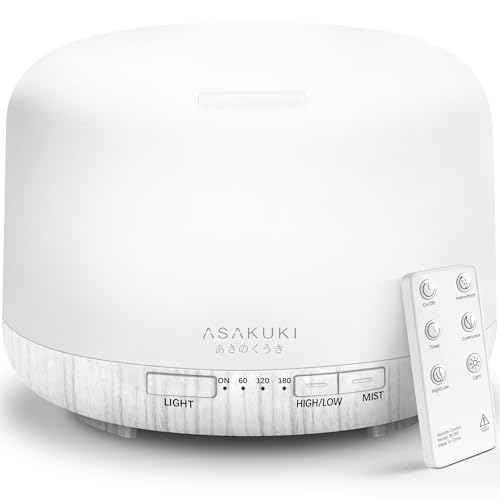
ASAKUKI Essential Oil Diffuser for Home, 500ML Aromatherapy Diffuser Humidifier with Remote Control, 7 Color LED Lights, Quiet Cool Mist Diffuser for Bedroom, Living Room, Office (White)
Up to 18Hrs of Continuous Aroma: The 500ml large-capacity tank takes the hassle out of frequent refills. Experience...
As an affiliate, we earn on qualifying purchases.
Conclusion
Remember, almost 70% of pressure cooker accidents happen because of simple mistakes like overfilling or neglecting the release valve. By staying attentive and following safety guidelines, you can prevent scary messes and guarantee your cooking remains safe. It’s easy to forget these small steps, but your caution makes all the difference. Keep safety top of mind, and enjoy stress-free cooking with your pressure cooker—your kitchen and family will thank you.

InnoGear Essential Oil Diffuser, Ultrasonic Diffusers for Home Aromatherapy Humidifier for Bedroom Room 7 Colors LED 2 Mist Mode Auto Off, Basic White
Trusted Brand with Quality Assurance: At InnoGear, we don't just promise quality, we assure it. As a leading...
As an affiliate, we earn on qualifying purchases.
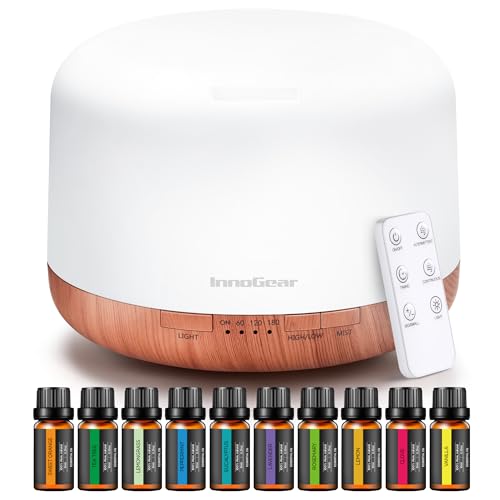
InnoGear Aromatherapy Diffuser & 10 Essential Oils Set, 500ml Essential Oil Diffuser with Remote Control Ultrasonic Cool Mist Scent Humidifier Vaporizer Auto-Off Timer for Room Office Home, Yellow
Premium 10-Piece Essential Oil Set - Ten 10ml bottles of 100% pure natural oils (peppermint, orange, lavender, tea...
As an affiliate, we earn on qualifying purchases.