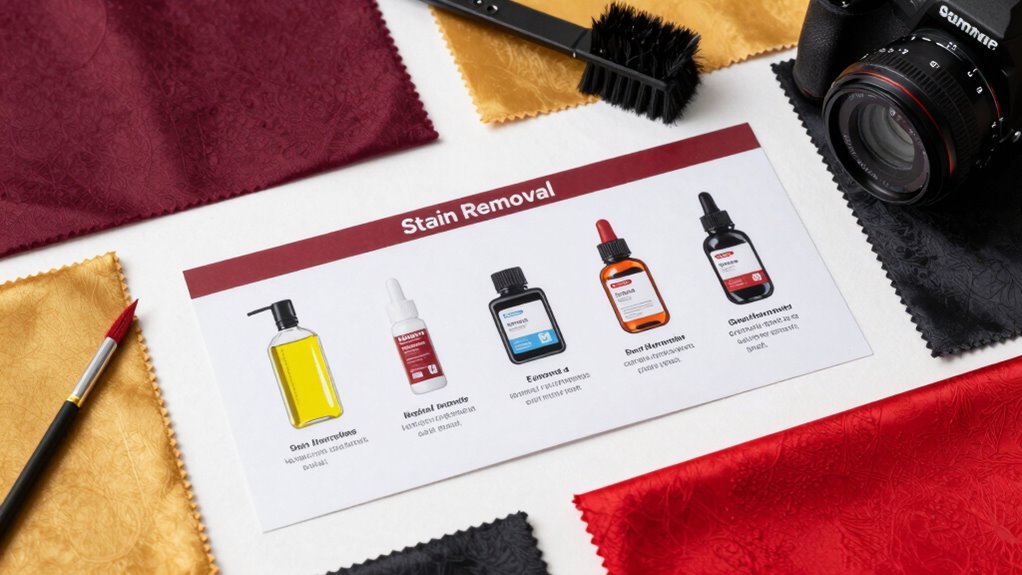
To remove oil, blot excess and sprinkle cornstarch or talcum powder to absorb it, then treat with dish soap and rinse with cold water. For wine stains, blot quickly, pour club soda or sparkling water, and dab gently, avoiding heat. Ink can be lifted by dabbing with rubbing alcohol or hand sanitizer, using paper towels beneath the fabric. Many tips involve acting fast and avoiding heat, so continue to learn how to master each stain type.

Get the little things that make your day delivered free with Prime
- Fast, free delivery on millions of items
- Prime Video, Amazon Music and more included
- Member-only deals all year
Key Takeaways
- Act quickly and blot stains immediately to improve removal chances for oil, wine, and ink.
- Use specific remedies like cornstarch for oil, sparkling water for wine, and rubbing alcohol for ink stains.
- Avoid heat sources such as hot water or irons, as they can set stains permanently.
- Test stain removers on hidden areas before application to prevent fabric damage.
- For delicate fabrics or stubborn stains, consult professional dry cleaning services.
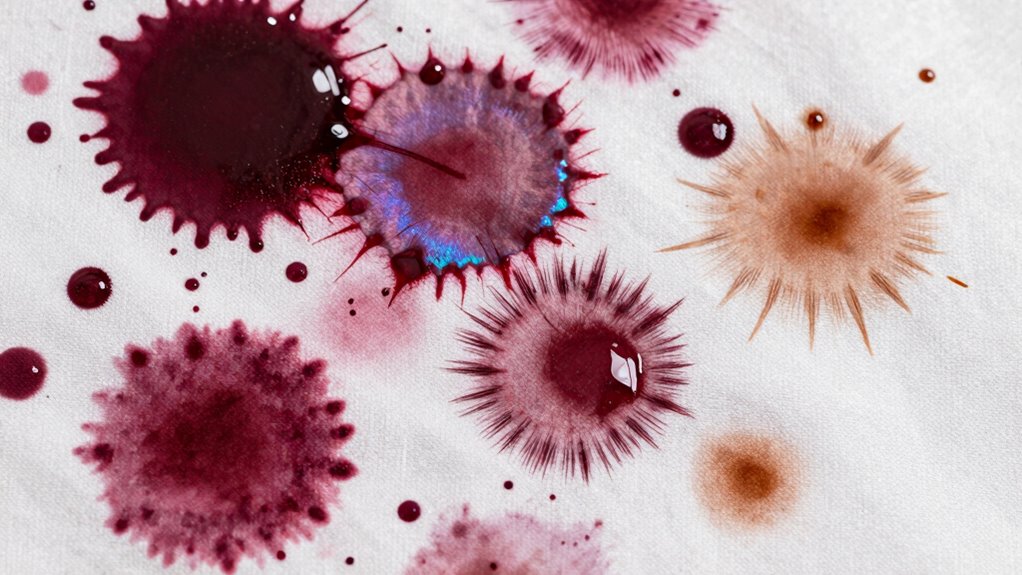
Accidents happen, but removing stains doesn’t have to be a mystery. When you’re faced with a stubborn mark on your favorite shirt or upholstery, knowing the right approach can save you time and money. Starting with dry cleaning tips can make a huge difference, especially for delicate fabrics that can’t handle harsh scrubbing or soaking. Before attempting any stain removal, it’s smart to understand stain prevention techniques—like acting quickly and avoiding heat—so you can prevent stains from setting in the first place. The quicker you respond, the easier it is to keep your clothes looking fresh. Effective stain removal techniques are essential for tackling different types of marks successfully.
For oil stains, quick action is key. Blot the excess gently with a clean cloth—don’t rub, as that can spread the oil further. Sprinkle some cornstarch or talcum powder onto the stain to absorb the oil, letting it sit for at least 15 minutes. Afterwards, brush off the powder and treat the spot with a small amount of dish soap mixed with warm water. Gently work the soap into the fabric and rinse with cold water. Remember, for delicate fabrics, dry cleaning tips are your best friend. You can also use a commercial stain remover designed for oil, but always test it on a hidden area first to prevent damage.
When it comes to wine stains, quick response really counts. Blot immediately with a clean cloth or paper towel to soak up as much liquid as possible—never rub, as this can push the stain deeper. Next, pour a little club soda or sparkling water onto the stain and gently dab to lift the wine. If you have a stain removal spray, apply it now. For persistent stains, a mixture of white vinegar and dish soap can help break down the pigments. Always rinse with cold water afterward. To avoid setting the stain, steer clear of heat—hot water or a hot iron can make it permanent. Dry cleaning tips include taking the garment to professionals if the stain persists or if the fabric is sensitive.
Ink stains are tricky but manageable if you act fast. Place a paper towel beneath the fabric to absorb ink as you work on top. Dab the stain with rubbing alcohol or hand sanitizer, which can help dissolve the ink. Use a clean cloth to blot and lift the ink, replacing the paper towels underneath as they become saturated. Once the stain lightens, rinse with cold water. For delicate fabrics, dry cleaning tips advise consulting professionals to prevent spreading the ink or damaging the material. Stain prevention techniques for ink include keeping pens capped and stored away from clothing and upholstery.
As an affiliate, we earn on qualifying purchases.
Frequently Asked Questions
Can Homemade Remedies Permanently Remove Stubborn Stains?
Homemade remedies can sometimes permanently remove stubborn stains, especially when combined with commercial solutions. Natural remedies like baking soda or vinegar work well on certain stains, but they aren’t always enough for deep or old marks. To maximize success, start with natural remedies and, if needed, follow up with commercial solutions for more stubborn stains. This approach increases your chances of achieving lasting stain removal.
How Do I Prevent Stains From Setting In?
You might worry about stains setting in forever, but quick action can save your clothes. Immediately use fabric pre-treatment on the stain, then blot gently—don’t rub—that helps lift it before it sets. Keep a stain removal kit handy and act fast, because the longer a stain sits, the harder it is to remove. Staying proactive guarantees you prevent stains from becoming permanent, keeping your wardrobe fresh and clean.
Are There Eco-Friendly Stain Removal Options?
Yes, there are eco-friendly stain removal options you can try. Biodegradable solutions like baking soda, lemon juice, and vinegar work as natural stain removers and are gentle on the environment. You can also use commercial natural stain removers made from plant-based ingredients. These options effectively remove stains without harsh chemicals, helping you keep your clothes clean while protecting the planet. Always test on a small area first for best results.
What’s the Best Way to Treat Delicate Fabrics?
When treating delicate fabrics, you should always opt for gentle methods. For example, if you spill wine on a silk blouse, avoid harsh fabric softeners or scrubbing. Instead, soak it in cold water and use a mild stain remover. Many delicate fabrics have stain resistant finishes, so test any treatment on a hidden area first. Always air dry and avoid heat, which can damage the fibers.
How Should I Store Cleaning Products Safely?
You should store cleaning products in childproof containers to prevent accidents. Always use proper labeling to clearly identify each product and its contents, reducing the risk of misuse. Keep these containers in a secure, high place away from children and pets. Regularly check labels and containers for damage, and never transfer cleaning products into food or drink containers. This guarantees safe storage and minimizes hazards for your household.
Conclusion
Next time you’re faced with a stubborn stain, remember this cheat sheet. Imagine spilling red wine on your new shirt before a big date—you follow the right steps, and within minutes, the stain disappears. Just like Sarah did last weekend, saving her outfit with quick action. Keep these tips in mind, and you’ll confidently tackle any stain that comes your way, saving clothes and avoiding costly replacements. You’ve got this—stain-free clothes are just a few steps away!
Halloween Picks
halloween
As an affiliate, we earn on qualifying purchases.