

Understanding attachment styles helps you recognize how you and your partner connect and handle conflicts. If you’re anxious, you seek reassurance and fear abandonment, while avoidant types value independence and may withdraw. Knowing these patterns allows you to build trust, communicate better, and manage disagreements with patience. This awareness encourages growth and deeper intimacy, leading to a more resilient relationship. Stay with us—owning your attachment style can transform the way you love.
Key Takeaways
- Understanding attachment styles helps couples navigate emotional needs and deepen their connection.
- Recognizing anxious or avoidant behaviors prevents misunderstandings and fosters patience.
- Building awareness encourages healthier conflict resolution and emotional support.
- Couples can strengthen trust and intimacy by addressing attachment-related patterns.
- Awareness promotes growth, resilience, and long-term relationship satisfaction.

Understanding your attachment style can considerably influence how you experience love and relationships. When you know what drives your feelings and behaviors around emotional intimacy, you gain valuable insight into both your strengths and areas for growth. For example, if you tend to withdraw when conflicts arise, recognizing this pattern allows you to work on healthier ways to handle disagreements. Your attachment style shapes how you seek closeness, communicate your needs, and respond to your partner’s emotions. This awareness is especially vital in conflict resolution, as it helps prevent misunderstandings from escalating and fosters a more supportive connection.
If you have an anxious attachment style, you might find yourself craving constant reassurance and fearing abandonment. During conflicts, this can lead to heightened emotions and difficulty staying calm, which can hinder emotional intimacy. You may worry that your partner doesn’t care enough, causing you to become clingy or overly expressive. Recognizing these tendencies allows you to develop better coping strategies and communicate your needs more effectively. Instead of reacting impulsively, you can work on building trust and understanding, creating a safe space where both of you can openly share feelings without fear of judgment. This approach not only enhances emotional intimacy but also makes conflict resolution more constructive, as both of you learn to listen and respond with empathy.
On the other hand, if you have an avoidant attachment style, you might prioritize independence and keep emotional distance to protect yourself from vulnerability. During disagreements, you may withdraw or shut down rather than confront issues directly, which can hinder emotional intimacy. If you’re aware of this pattern, you can make an effort to stay engaged and express your feelings more openly, even when it’s uncomfortable. Working on vulnerability helps deepen your connection and makes conflict resolution smoother, as both partners feel heard and understood. Recognizing your attachment style also helps you see how your tendencies impact your partner, encouraging mutual patience and understanding.
Couples who understand their attachment styles often find it easier to navigate the complexities of love. By focusing on improving emotional intimacy and mastering conflict resolution, you create a healthier, more resilient relationship. Knowing why you behave the way you do in love and conflict isn’t about labeling yourself; it’s about empowering yourself to grow and connect more authentically. When both partners are aware of their attachment styles, they can support each other’s emotional needs and develop strategies to resolve disagreements constructively. This shared understanding fosters trust and intimacy, making your relationship more satisfying and enduring.

Korser 110" L-Shaped Modular Sectional Sofa with Chaise, Boneless Comfy Corduroy Fluffy Couch with Deep Seat and Side Pockets, Flexible Module Combination for Living Room, No Assembly, Side Pockets
Tool-Free Assembly & Ready to Use: Skip the hassle of traditional furniture—no tools, screws, or complicated instructions needed....
As an affiliate, we earn on qualifying purchases.
Frequently Asked Questions
Can Attachment Styles Change Over Time?
Yes, your attachment style can change over time. Childhood trauma and experiences shape your initial style, but as you develop emotional resilience through therapy, self-awareness, or healthy relationships, you can shift towards a more secure attachment. It’s a gradual process, and with effort, you can heal old wounds, build trust, and form stronger connections. So, don’t think your attachment style is fixed—growth and change are always possible.
How Do Attachment Styles Affect Long-Distance Relationships?
Think of your attachment style as a lighthouse guiding your ship through distant waters. In long-distance relationships, it influences trust-building and communication strategies. If you’re secure, you navigate smoothly; if you’re anxious or avoidant, storms may brew. Recognize your style’s impact, openly share your needs, and use consistent communication to keep the lighthouse shining bright. This way, you maintain connection and trust, even miles apart, charting a steady course together.
Are Attachment Styles Inherited or Learned?
You’re not born with your attachment style; it’s shaped through attachment formation, which is influenced by your early relationships. While attachment inheritance from caregivers plays a role, your experiences and interactions as you grow also considerably impact your attachment style. So, it’s a mix of inherited tendencies and learned behaviors that determine whether you develop secure, anxious, or avoidant attachment patterns in love.
Can Couples With Different Attachment Styles Have a Healthy Relationship?
Yes, couples with different attachment styles can have a healthy relationship. It’s all about understanding attachment style compatibility and managing emotional dependency. You can strengthen your bond by openly communicating your needs and fears, which helps build trust. Recognizing each other’s attachment patterns allows you to support one another better, reducing misunderstandings and fostering emotional security. With patience and effort, differing attachment styles can complement each other rather than divide.
How Can Therapy Help Modify Insecure Attachment Styles?
Think of therapy as a gentle gardener tending to your emotional garden. It helps you unearth roots of insecurity, fostering emotional healing and trust building. By exploring your past and patterns, therapy rewires your responses, turning tangled vines into sturdy branches. You gain clarity and confidence, nurturing healthier connections. This process empowers you to replace fear with understanding, cultivating a resilient love that blooms with trust and emotional strength.

VASAGLE Boneless Couch, Modern Cloud Couch with Deep Seat, Corduroy Sofa for Living Room, Bedroom, Modular Sectional Sofa with Right-Facing Chaise, 108.3 Inches, Slate Gray ULCS182GN01
No Assembly Hassle: This boneless couch arrives ready for use—simply unpack, pat to fluff, and within 72 hours...
As an affiliate, we earn on qualifying purchases.
Conclusion
Think of your attachment style as the compass guiding your love journey. Whether you’re steering with trust as your steady star or learning to navigate through storms with patience, understanding your style helps you build a stronger connection. Remember, love is a garden—you may encounter weeds or blooms, but with awareness and care, you can nurture a beautiful, resilient relationship. Embrace your path, and let your bond grow brighter with every step you take together.

Mangodan Cloud Sectional Couch, Boneless Sofa for Living Room, Fluffy Comfy Couch with Deep Seat, Modular Sectional Sofa with L-Shaped Chaise, No Assembly Required, Dark Grey
Soft Corduroy Fabric: Upholstered in smooth, breathable corduroy, this Cloud Sectional Couch features an L-shaped chaise sofa design...
As an affiliate, we earn on qualifying purchases.
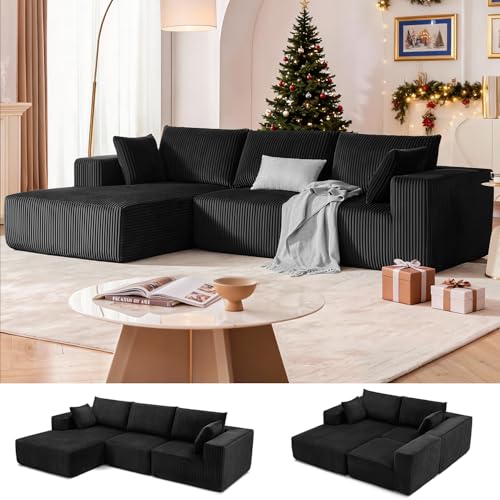
108” Modular Sectional Sofa, Cloud Sectional Couch with Deep Seat, Modern Modular L-Shape Sofa Couch with Chaise,Upholstered Boneless Couches for Living Room Bedroom (Black, Left Facing Chaise)
Multiple Package: Multiple packages may arrive separately. If you have any questions about your cloud couch sectional or...
As an affiliate, we earn on qualifying purchases.