

To show confidence without arrogance, focus on genuine self-awareness and humility. Use respectful assertiveness by expressing your needs with “I” statements and listening actively to others. Maintain confident body language, like steady eye contact and upright posture, while remaining open to feedback. Valuing your worth without inflating it keeps you approachable and trustworthy. Mastering these quiet self-worth skills helps you appear both confident and respectful—continue exploring these techniques to build authentic presence.
Key Takeaways
- Cultivate self-awareness to understand your strengths without exaggeration or pride.
- Use assertive “I” statements to express needs respectfully and confidently.
- Practice active listening to show genuine respect and openness to others’ perspectives.
- Maintain confident body language, such as eye contact and upright posture, to reinforce calm assurance.
- Balance self-confidence with humility by valuing others’ ideas and remaining receptive to feedback.

Confidence without arrogance is about believing in yourself while respecting others. It’s a delicate balance that requires self-awareness and genuine humility. When you understand the difference between humility and pride, you can project quiet self-assurance without coming across as boastful. Humility keeps you grounded, acknowledging your strengths without dismissing others’ contributions. Pride, on the other hand, often fuels an inflated sense of self that can alienate people and hinder authentic connections. Striking this balance involves cultivating confidence that’s rooted in self-understanding, not arrogance or superiority.
Confidence rooted in humility fosters genuine connections and self-awareness without arrogance.
One way to maintain this balance is by practicing assertiveness techniques that foster respectful communication. Assertiveness isn’t about dominating conversations or insisting on your way; it’s about expressing your needs and opinions honestly while honoring the perspectives of others. When you communicate assertively, you demonstrate confidence without arrogance. For example, instead of dismissing someone’s idea, you might say, “I see your point, and I think we could also consider this approach,” which shows confidence in your ideas without undermining theirs. Using “I” statements helps you express yourself clearly, reducing the chances of coming across as aggressive or dismissive.
Confidence without arrogance also means knowing when to listen as much as you speak. Active listening is an assertiveness technique that signals respect and openness. When you genuinely listen, you show others that their opinions matter, which in turn reinforces your own quiet self-worth. It’s a way of asserting your presence without overpowering the conversation. This kind of humility—being willing to learn from others—builds trust and deepens your relationships. By balancing assertiveness with humility, you project a calm confidence that invites collaboration rather than competition.
Additionally, understanding the importance of body language and tone helps reinforce your confidence subtly. Maintain eye contact, stand or sit upright, and use a steady, clear voice. These non-verbal cues support your words and convey assurance without arrogance. Remember, true confidence isn’t about bragging or dominating space; it’s about a quiet certainty that you’re capable and deserving without diminishing others. When you combine assertiveness techniques with humility, you create a powerful yet approachable presence that commands respect but doesn’t intimidate.
In essence, confidence without arrogance is a skill you develop through consistent self-awareness and respectful communication. It’s about valuing yourself enough to stand firm on your beliefs while remaining open to others’ ideas. By distinguishing humility from pride and practicing assertiveness techniques, you can project a subtle, genuine self-worth that inspires trust and admiration—without ever crossing into arrogance.

InnoGear Aromatherapy Diffuser & 10 Essential Oils Set, 400ml Diffuser Ultrasonic Diffuser Cool Mist Humidifier with 4 Timers 7 Colors Light Waterless Auto Off for Valentine's Gift, Dark Wood Grain
Reminder: To ensure proper mist function, please do not refill under tap (use measuring cup only to prevent...
As an affiliate, we earn on qualifying purchases.
Frequently Asked Questions
How Can I Develop Quiet Self-Confidence Without Appearing Boastful?
You can develop quiet self-confidence by focusing on your strengths and practicing humility, avoiding humble bragging. Let your actions speak louder than words and embrace silent strength, showing confidence through consistency and competence. Celebrate your achievements quietly and share them modestly when appropriate. This balance helps you appear self-assured without arrogance, allowing others to recognize your worth naturally while maintaining genuine humility.
What Are Practical Daily Habits to Boost Quiet Self-Worth?
Did you know that daily gratitude journaling can boost your self-worth by 25%? To build quiet self-worth, start your mornings with mindful affirmations—reminding yourself of your strengths. Keep a gratitude journal, noting what you appreciate about yourself each day. These small habits strengthen your confidence naturally, helping you stay humble while recognizing your value. Consistency makes these routines become a powerful part of your self-belief.
How Do I Handle Criticism Confidently but Humbly?
When handling criticism confidently but humbly, focus on self-esteem building by viewing feedback as growth opportunities. Stay calm, listen actively, and acknowledge valid points without defensiveness. This boosts your emotional resilience, helping you stay grounded. Remember, humility means valuing your worth while remaining open to improvement. By balancing confidence with humility, you demonstrate quiet self-worth, turning criticism into a tool for personal development rather than a threat.
Can Confidence Without Arrogance Improve My Leadership Skills?
Yes, confidence without arrogance can boost your leadership skills. By focusing on self-esteem building, you develop genuine belief in your abilities without overstepping boundaries. Use assertiveness techniques to communicate clearly and listen actively, which fosters respect and trust. This balanced confidence allows you to inspire others, make decisive choices, and handle challenges humbly, ultimately strengthening your leadership presence and effectiveness.
What Mistakes Should I Avoid When Practicing Quiet Self-Assurance?
Think of practicing quiet self-assurance as steering a boat through calm waters. You should avoid overconfidence pitfalls that make you appear dismissive or insecure, and recognize arrogance triggers like bragging or dismissing others’ ideas. Stay humble, listen actively, and trust your skills without overselling them. This keeps your confidence steady, helps you connect better, and prevents you from drifting into arrogance or self-doubt.
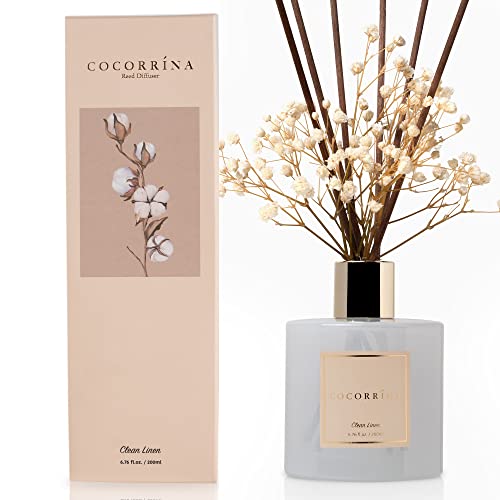
Cocorrína Reed Diffuser Set, Clean Linen 6.7 fl oz Scented Diffuser with Sticks Home Fragrance Reed Diffuser for Bathroom Shelf Decor
Fresh scent Clean Linen : Keep it clean with air. Crafted with notes of Crisp Air, Fresh Laundry...
As an affiliate, we earn on qualifying purchases.
Conclusion
Remember, true confidence isn’t about boasting or arrogance; it’s about quietly believing in yourself and your abilities. When you carry yourself with genuine self-worth, others are naturally drawn to your authenticity. So, next time you face a challenge, ask yourself: do I need to prove my worth, or simply trust in it? Confidence without arrogance isn’t just a skill—it’s a way of being that empowers you and inspires those around you.

Bidet Toilet Seat-Electric Heated Bidet Attachment for Toilet with Instant Warm Water & Dryer, Feminine & Front Rear Wash, Self-Clean Nozzle, Upgraded Silent ECO Child Mode
𝙉𝙤 𝙈𝙤𝙧𝙚 𝘾𝙤𝙡𝙙 𝙈𝙤𝙧𝙣𝙞𝙣𝙜𝙨 · 𝘾𝙤𝙢𝙛𝙤𝙧𝙩 𝙎𝙩𝙖𝙧𝙩𝙨 𝙩𝙝𝙚 𝙈𝙤𝙢𝙚𝙣𝙩 𝙔𝙤𝙪 𝙎𝙞𝙩 Tired of icy toilet seats on cold...
As an affiliate, we earn on qualifying purchases.

XCQQ Electric Heated Bidet Toilet Seat with Warm Water Wash, Warm Air Dryer, Soft Closed Lid, Night Light, LED Display, Toilet Seat with Bidet Requires Outlet - Elongated
Electronic Bidet Toilet Seat: This heated toilet seat features a soft-close lid, warm air dryer, adjustable water temperature...
As an affiliate, we earn on qualifying purchases.