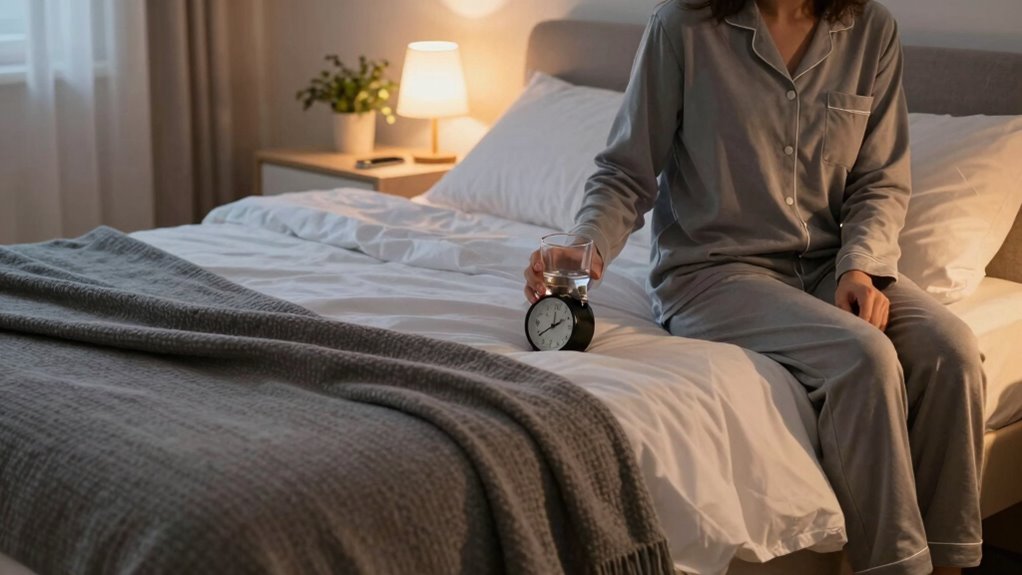

As a busy parent, you can improve your sleep by taking short naps during quiet moments and creating a relaxing pre-sleep routine, like listening to calming music or gentle stretches. Keep your bedroom dark, cool, and quiet, and stick to consistent sleep times, even on weekends. Prioritize sleep as essential for your well-being. Small adjustments can make a big difference—discover practical ways to enhance your rest and feel more refreshed each day.

Get the little things that make your day delivered free with Prime
- Fast, free delivery on millions of items
- Prime Video, Amazon Music and more included
- Member-only deals all year
Key Takeaways
- Prioritize consistent sleep schedules, even with unpredictable routines, to regulate your internal clock.
- Use quick power naps (~20 minutes) during child’s quiet times to boost alertness.
- Create a calming pre-sleep routine to signal your body it’s time to rest, despite busy days.
- Optimize your sleep environment with blackout curtains and white noise for better quality rest.
- Gradually incorporate sleep hygiene habits to sustain improvements without feeling overwhelmed.
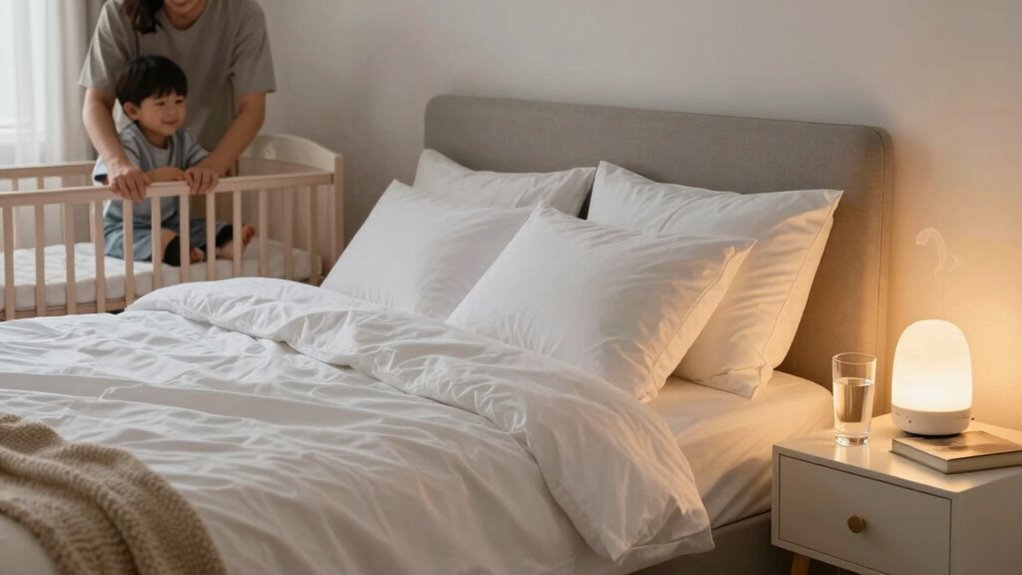
Balancing a busy schedule while getting enough restful sleep can feel impossible for parents, but prioritizing sleep hygiene is essential for your well-being and effectiveness. When your days are packed with errands, work, and caring for your little ones, it’s easy to neglect your own rest. However, small adjustments can make a significant difference. One practical approach is adopting effective napping strategies. Short naps, lasting around 20 minutes, can boost your energy and improve alertness without leaving you groggy. If a longer nap is unavoidable, aim for 90-minute cycles to complete a full sleep cycle, helping you wake up feeling more refreshed. Planning these naps during your child’s nap time or when you have a brief lull in activity allows you to recharge without sacrificing essential responsibilities.
Equally important is optimizing your sleep environment. Even with limited time, creating a space conducive to quality sleep can make a big impact. Keep your bedroom dark by using blackout curtains or an eye mask, and reduce noise with earplugs or white noise machines. A cool room, around 65-70°F (18-21°C), supports better sleep by preventing overheating. Invest in a comfortable mattress and pillows suited to your preferences, as comfort directly influences sleep quality. Limit screen exposure at least an hour before bed because the blue light emitted by devices suppresses melatonin, the hormone responsible for sleep. Instead, establish a calming pre-sleep routine — reading, gentle stretching, or listening to soothing music can signal to your body that it’s time to wind down. Creating a sleep-friendly environment is a vital part of improving sleep quality and ensuring restorative rest. Incorporating sleep hygiene principles into your routine can also help reinforce these habits and enhance overall sleep quality. Additionally, understanding the importance of sleep cycles can help you better time your naps and sleep periods for maximum benefit. Recognizing the role of circadian rhythms can further optimize your sleep schedule and boost your overall restfulness. Being mindful of your sleep needs and how they fluctuate can help you tailor your routine more effectively.
Incorporating these strategies into your busy routine doesn’t require a complete overhaul. Even small shifts, like taking a quick power nap when possible and creating a sleep-friendly environment, can dramatically improve your rest. Consistency is key; try to go to bed and wake up at the same time each day, even on weekends, to regulate your internal clock. Remember, your sleep needs are just as crucial as your other responsibilities. By making intentional adjustments to your napping habits and sleep environment, you give yourself the best chance to get restorative sleep, so you can handle the demands of parenting with more energy and resilience. Prioritizing sleep isn’t selfish — it’s a necessary step toward maintaining your health and staying effective in your daily life.
As an affiliate, we earn on qualifying purchases.
Frequently Asked Questions
How Can I Improve Sleep Quality With Unpredictable Parenting Schedules?
To improve your sleep quality despite unpredictable parenting schedules, prioritize consistent bedtime routines for your kids to create stability. Make your sleep environment comfortable and dark, using blackout curtains or eye masks if needed. When schedules shift, try to keep your own bedtime as regular as possible, even if your bedtime routine varies. These small adjustments help signal to your body that rest is a priority, enhancing your overall sleep quality.
What Are Quick Relaxation Techniques for Better Sleep?
You can improve sleep quickly with breathing exercises like deep, slow breaths to calm your mind. Try progressive muscle relaxation by tensing and relaxing muscle groups from your toes to your head. These techniques reduce stress and promote relaxation, helping you fall asleep faster. Even just five minutes of focused breathing or progressive muscle relaxation before bed can make a noticeable difference in your sleep quality, especially with your busy schedule.
How Do I Manage Sleep Disruptions Caused by Children’s Nightmares?
When nightmares hit, think of yourself as a lighthouse guiding your child back to calm waters. Offer quick dream reassurance, like gentle words or a favorite stuffed animal, to soothe their fears. Stick to consistent bedtime routines, which act as a safety net, helping your child feel secure and reducing disruptions. Your calm presence and reassurance can turn those stormy nights into moments of comfort and connection.
Can Nap Strategies Compensate for Insufficient Nighttime Sleep?
Power naps can help temporarily boost your alertness, but they can’t fully compensate for insufficient nighttime sleep. For effective sleep optimization, aim for consistent, quality nighttime rest. If you’re short on sleep, strategic power naps—20 to 30 minutes—can improve mood and focus. However, prioritize establishing a sleep routine to guarantee you get restorative rest at night, supporting your overall well-being and parenting stamina.
How Do I Maintain Sleep Hygiene During Busy Travel or Holidays?
You can maintain sleep hygiene during travel or holidays by adapting your routines subtly. Keep your regular sleep schedule as much as possible and create a calming pre-sleep ritual, even in unfamiliar settings. Follow your usual travel routines and holiday routines, like limiting screen time before bed and choosing comfortable sleep environments. Staying consistent helps your body stay balanced, making it easier to rest deeply despite the hustle and bustle.
Conclusion
Prioritizing your sleep might seem like chasing a fleeting dream, especially with a busy family life. But remember, even small shifts can brighten your nights and energize your days. Embrace gentle routines and allow yourself moments of rest—you’re not just surviving, but thriving. When you nurture your own well-being, you’re better equipped to nurture those little hearts and minds around you. Sleep isn’t just a luxury; it’s your quiet foundation for all the beautiful chaos.
NFL season / tailgating Picks
team gear
As an affiliate, we earn on qualifying purchases.