
When your nervous system feels overwhelmed, try simple mindfulness exercises like focusing on your breath or observing your surroundings without judgment. Grounding techniques, such as touching textured objects or using the 5-4-3-2-1 sensory method, quickly anchor you in the present. Even a few minutes can reduce stress and restore calm. Keep exploring these accessible tools to develop easy habits that help you stay centered during stressful moments.
Key Takeaways
- Practice mindfulness exercises like focused breathing and observing surroundings to signal relaxation to your nervous system.
- Use grounding techniques such as touching textured objects or the 5-4-3-2-1 method to anchor attention and reduce stress.
- Incorporate brief, regular calming practices—like deep breaths or sensory scans—to build resilience over time.
- Engage in simple sensory activities that help shift focus away from distressing thoughts and promote calmness.
- Develop consistent habits of mindfulness and grounding to enhance emotional regulation and manage overwhelm effectively.

When your nervous system feels overwhelmed, finding effective calming tools can make a profound difference. One of the most accessible and practical approaches involves practicing mindfulness exercises. These techniques help you stay present, shift your focus away from racing thoughts, and anchor yourself in the current moment. You might start by paying close attention to your breath, noticing the sensation of air filling your lungs and slowly releasing. As you breathe deeply and intentionally, you create a calming rhythm that signals your nervous system to relax. Mindfulness exercises can also include observing your surroundings without judgment—notice the colors, sounds, and textures around you. This awareness helps reduce anxiety and cultivates a sense of control amid chaos.
Grounding techniques are another powerful tool to soothe your nervous system quickly. When stress peaks, grounding methods help you reconnect with the here and now, pulling you out of spirals of worry or panic. A simple grounding technique involves physically touching objects around you—hold onto a textured stone, feel the fabric of your clothes, or press your feet firmly into the floor. By anchoring your attention to tangible sensations, you divert your mind from distressing thoughts and bring your focus to the present. You can also try the 5-4-3-2-1 method: identify five things you see, four you hear, three you touch, two you smell, and one you taste. This sensory exercise rapidly shifts your awareness from internal chaos to external reality, helping to stabilize your nervous system.
Incorporating mindfulness exercises and grounding techniques into your daily routine doesn’t require special equipment or hours of practice. Even a few minutes can markedly impact your stress levels and emotional resilience. When you feel your nerves fraying, pause and take a moment to breathe deeply, scan your environment, or touch an object that grounds you. Over time, these practices become second nature, allowing you to manage overwhelming feelings more effectively. Remember, the goal isn’t to eliminate stress entirely but to develop tools that help you regain calm and clarity amidst life’s uncertainties. By consistently using mindfulness exercises and grounding techniques, you give yourself a reliable way to soothe your nervous system whenever it’s on high alert, fostering a greater sense of peace and control.

Waterless Essential Oil Diffuser, Portable Aromatherapy Diffuser with 20mL Capacity, Battery Operated Mini Scent Diffuser,3 Mist Levels & Timers, Leak-Free, for Home, Car, Office (Black)
【Waterless Essential Oil Diffuser for Pure Aroma】Our advanced waterless diffuser technology transforms your favorite essential oils into a...
As an affiliate, we earn on qualifying purchases.
Frequently Asked Questions
How Quickly Can Calming Tools Reduce Nervous System Stress?
Calming tools can provide rapid relief, often reducing nervous system stress within minutes or even seconds, depending on the method. Techniques like deep breathing or grounding exercises are highly effective and work quickly, with some people noticing immediate effects. The effectiveness timeframe varies based on individual response and the specific tool used, but with regular practice, you’ll likely experience faster, more consistent calming results over time.
Are There Any Side Effects From Using Calming Techniques Regularly?
Imagine gently steering a boat through calm waters—you might wonder if you’ll become reliant on the oars. Regular use of calming techniques typically doesn’t cause side effects, but potential dependency can develop if you rely solely on them for stress relief. Over time, their effectiveness may diminish, so it’s best to combine them with other coping strategies. Keep practicing mindfulness, breathing, and self-care to maintain balance without unintended drawbacks.
Can Calming Tools Be Used During a Panic Attack?
Yes, you can use calming tools like mindful breathing and grounding exercises during a panic attack. These techniques help you regain control by slowing your breathing and anchoring you to the present moment. Focus on deep, steady breaths or touch nearby objects to ground yourself. Practicing these methods beforehand makes it easier to implement them when a panic attack occurs, helping reduce intensity and duration effectively.
Do Calming Methods Work Differently for Adults and Children?
Calming methods do work differently for adults and children. For child relaxation, techniques like deep breathing and gentle touch often resonate best, helping them feel secure. Adults, on the other hand, benefit from structured adult stress management tools like mindfulness or progressive muscle relaxation. You should tailor approaches based on age, ensuring the calming method suits their developmental stage and individual needs, making it more effective for both children and adults.
How Long Should I Practice Calming Tools for Best Results?
You should practice calming tools for at least 10-15 minutes daily to see consistent results. While some benefits appear quickly, lasting change comes from practice consistency over time. Set clear expectations, like practicing every day, to build a routine. Trust that regular use helps your nervous system adapt, making calming techniques more effective and natural. Stick with it, and you’ll notice improved calmness and resilience.

MCombo Electric Power Lift Recliner Chair Sofa with Massage and Heat for Elderly, 3 Positions, 2 Side Pockets, and Cup Holders, USB Ports, Faux Leather 7040 (Light Brown, Medium)
Power Lift Assistance: Counter-balanced lift mechanism with a TUV certified actuator pushes the entire chair up to assist...
As an affiliate, we earn on qualifying purchases.
Conclusion
Think of your nervous system like a garden that needs regular tending. When you use calming tools—like deep breathing or grounding exercises—you water and nurture it, helping stress fade away. I once felt overwhelmed before a big presentation, but a simple breathing technique transformed my nerves into calm. Just as a garden blooms with care, your nerves can find peace with consistent calming practices. Start today, and watch your inner garden flourish.

MCombo Electric Power Lift Recliner Chair Sofa with Massage and Heat for Elderly, 3 Positions, 2 Side Pockets, and Cup Holders, USB Ports, Faux Leather 7040 (Dark Brown, Medium)
Power Lift Assistance: Counter-balanced lift mechanism with a TUV certified actuator pushes the entire chair up to assist...
As an affiliate, we earn on qualifying purchases.
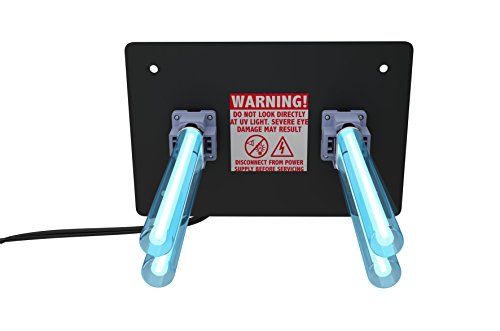
REKO Lighting R2000 Air Purifier Whole House Uv uvc Light in Duct for HVAC Ac (Air Conditioning) Duct
UV-C light system - Bulbs are made in Europe!
As an affiliate, we earn on qualifying purchases.