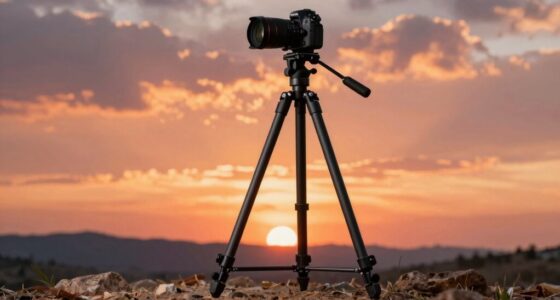
Choosing the right tripod or pier mount is critical for successful astrophotography. For those seeking ultimate precision and automation, the iEXOS-100-2 PMC-Eight System stands out with its multi-CPU control and advanced tracking, though it comes at a higher cost and complexity. Meanwhile, the Sky-Watcher Wave Carbon Fiber Tripod offers a lightweight, portable option that’s perfect for outreach and mobile setups, but it’s limited to Wave mounts and might not support larger instruments. For heavier, more stable support, the Sky-Watcher EQ6 Wave Steel Tripod provides rock-solid stability at the expense of portability. If mobility and ease of use are priorities, the Sky-Watcher Star Adventurer GTi Mount Kit combines portability with smart features, though its payload is limited. This guide compares these options based on stability, portability, automation, and price, helping you find the best fit for your astrophotography needs.
Key Takeaways
- Automation and precise control are best achieved with the iEXOS-100-2 PMC-Eight system, ideal for advanced astrophotographers willing to invest in complexity.
- Portability favors lightweight options like the Sky-Watcher Wave Carbon Fiber Tripod and Star Adventurer GTi, suitable for fieldwork and outreach.
- Heavy-duty stability is provided by the Sky-Watcher EQ6 Wave Steel Tripod, best for large telescopes and serious imaging setups.
- Ease of use and quick setup are key strengths of the Star Adventurer GTi Mount Kit, making it a versatile choice for beginners and mobile users.
- Tradeoffs include weight and complexity for stability and automation; choose based on your priority—portability, precision, or support for large gear.
| iEXOS-100-2 PMC-Eight Equatorial Tracker System Tripod and Mount for Astrophotography with WiFi and Bluetooth |  | Best for Advanced Automation and Precision Control | Processor: PMC-Eight multi-CPU system with eight CPUs | Connectivity: WiFi and Bluetooth | Gears: Clutched dual-axis worm gears | VIEW ON AMAZON | See Our Full Breakdown |
| Sky-Watcher Wave Carbon Fiber Tripod |  | Best for Lightweight Portability | Maximum Extended Length: 29 inches | Minimum Retracted Length: 19.7 inches | Payload Capacity: 44 pounds | VIEW ON AMAZON | See Our Full Breakdown |
| Sky-Watcher EQ6 Wave Steel Tripod |  | Best for Heavy-Duty Stability | Leg Diameter: 2 inches | Material: Steel | Model: EQ6 | VIEW ON AMAZON | See Our Full Breakdown |
| Sky-Watcher Star Adventurer GTi Mount Kit with Counterweight, CW Bar, Tripod, and Pier Extension |  | Sky-Watcher Star Adventurer GTi | Mount Type: Equatorial | Tracking Modes: Lunar, Solar, Sidereal | Built-in Wi-Fi: Yes | VIEW ON AMAZON | See Our Full Breakdown |
| Sky-Watcher Star Adventurer GTi Mount Head Kit with Counterweight and CW Bar |  | Sky-Watcher Star Adventurer GTi | Mount Type: Equatorial | Tracking Modes: Lunar, Solar, Sidereal | Built-in Wi-Fi: Yes | VIEW ON AMAZON | See Our Full Breakdown |
| tripods and pier mounts for astrophotography | Compatibility | Payload Capacity |
|---|---|---|
| iEXOS-100-2 PMC-Eight Equatori | ExploreStars app for Apple, Android, Windows | — |
| Sky-Watcher Wave Carbon Fiber | — | 44 pounds |
| Sky-Watcher EQ6 Wave Steel Tri | — | — |
| Sky-Watcher Star Adventurer GT | DSLR, mirrorless, small astro gear | 11 lbs |
| Sky-Watcher Star Adventurer GT | DSLR, mirrorless, small telescopes | 11 lbs |
More Details on Our Top Picks
iEXOS-100-2 PMC-Eight Equatorial Tracker System Tripod and Mount for Astrophotography with WiFi and Bluetooth
This system stands out for its multi-CPU PMC-Eight control system, offering unmatched tracking accuracy and responsiveness. Its dual-axis worm gears with quiet stepper motors provide smooth, precise movement, ideal for long exposures. The included app simplifies alignment and star navigation, making it suitable for astrophotographers who desire automation and fine control. Compared with simpler mounts, this system’s complexity and higher cost reflect its professional-grade capabilities, making it less suitable for beginners or those on a tight budget.
Pros:- Fast, reliable multi-CPU control system
- Intuitive app for alignment and star tracking
- Smooth axes for accurate positioning
- Efficient polar alignment features
Cons:- Complex setup that may intimidate beginners
- Higher price point compared to simpler mounts
Best for: Advanced astrophotographers seeking automation and precise control
Not ideal for: Hobbyists new to astrophotography or those with budget constraints
- Processor:PMC-Eight multi-CPU system with eight CPUs
- Connectivity:WiFi and Bluetooth
- Gears:Clutched dual-axis worm gears
- Motors:Quiet stepper motor belt drives
- Compatibility:ExploreStars app for Apple, Android, Windows
- Alignment:Polar alignment sight hole, altitude control
Our verdict“A top-tier choice for serious astrophotographers demanding automation and precision, despite its complexity and cost.”
Sky-Watcher Wave Carbon Fiber Tripod
The Wave Carbon Fiber Tripod balances strength and weight, making it ideal for outreach, field imaging, or mobile setups. Its high-strength carbon fiber construction supports up to 44 pounds while weighing only 5.3 pounds, making it highly portable. Its maximum height of 29 inches suits many users, but taller astrophotographers might find it restrictive. Limited to Wave mounts, this tripod excels for those who prioritize ease of transport and quick setup, though it sacrifices some stability compared to heavier steel alternatives.
Pros:- Lightweight and portable design
- High payload capacity relative to weight
- Durable carbon fiber construction
Cons:- Limited compatibility to Wave mounts
- Height restrictions for tall users
Best for: Mobile astrophotographers and outreach teams
Not ideal for: Users with large telescopes or requiring maximum stability
- Maximum Extended Length:29 inches
- Minimum Retracted Length:19.7 inches
- Payload Capacity:44 pounds
- Weight:5.3 pounds
Our verdict“A superb lightweight tripod for mobile astrophotography, offering strong support with minimal weight, but limited in supporting large gear.”
Sky-Watcher EQ6 Wave Steel Tripod
Designed for larger telescopes, the EQ6 Wave Steel Tripod provides unmatched stability thanks to its 2-inch steel legs. Its robust construction is ideal for serious astrophotography, supporting large, heavy gear with minimal vibration. However, this comes at the cost of portability; it’s heavy and cumbersome to move, making it better suited for fixed observatory setups or permanent installations. This tripod excels in stability but isn’t recommended for frequent transport or quick field setups.
Pros:- Heavy-duty steel construction
- Excellent stability for large telescopes
- Durable and long-lasting
Cons:- Heavy and difficult to move
- Overbuilt for small or lightweight telescopes
Best for: Serious astrophotographers with large telescopes needing maximum stability
Not ideal for: Beginners, casual users, or mobile setups
- Leg Diameter:2 inches
- Material:Steel
- Model:EQ6
Our verdict“The definitive support for large, serious astrophotography setups where stability outweighs portability.”
Sky-Watcher Star Adventurer GTi Mount Kit with Counterweight, CW Bar, Tripod, and Pier Extension
This mount kit combines portability with automation, featuring a built-in Wi-Fi control system and an illuminated polar scope. Its lightweight frame supports up to 11 pounds, making it suitable for DSLR and small astro cameras. The full GoTo capabilities and multiple tracking modes allow for easy star tracking and object acquisition, especially useful for beginners and mobile setups. Its limited payload restricts larger telescopes, but for small gear and quick field sessions, this kit offers a compelling balance of features and convenience.
Pros:- Full GoTo functionality with Wi-Fi control
- Lightweight and portable
- Built-in illuminated polar scope for precise alignment
- Multiple tracking modes
Cons:- Limited payload capacity
- Setup can be complex for newcomers
- May need additional accessories for advanced use
Best for: Beginners, mobile users, and those seeking automation in small setups
Not ideal for: Large telescopes or advanced imaging needs requiring heavy gear
- Mount Type:Equatorial
- Tracking Modes:Lunar, Solar, Sidereal
- Built-in Wi-Fi:Yes
- Polar Scope:Illuminated
- Payload Capacity:11 lbs
- Compatibility:DSLR, mirrorless, small astro gear
Our verdict“An excellent choice for portable, automated astrophotography, especially for beginners or those on the move, with some restrictions on gear size.”
Sky-Watcher Star Adventurer GTi Mount Head Kit with Counterweight and CW Bar
This mount head offers a lightweight, portable solution with full GoTo capabilities, making it suitable for a wide range of astrophotography tasks. Its built-in Wi-Fi and illuminated polar scope simplify setup, while supporting DSLR and mirrorless cameras. Its payload limit of 11 pounds makes it ideal for small telescopes and imaging gear, but users should be aware that complex setups or larger gear may require additional accessories or a more robust mount. It’s a versatile entry-level option that balances features and portability.
Pros:- Lightweight and portable
- Full GoTo with Wi-Fi control
- Built-in illuminated polar scope
- Supports various cameras and accessories
Cons:- Limited payload capacity
- Setup may be complex for beginners
- Additional accessories might be necessary
Best for: Beginners and casual astrophotographers needing a portable, feature-rich mount
Not ideal for: Large telescopes or high-end imaging setups requiring more stability
- Mount Type:Equatorial
- Tracking Modes:Lunar, Solar, Sidereal
- Built-in Wi-Fi:Yes
- Polar Scope:Illuminated
- Payload Capacity:11 lbs
- Compatibility:DSLR, mirrorless, small telescopes
Our verdict“A flexible, entry-level mount that provides excellent features for its size, perfect for casual and beginner astrophotographers.”

How We Picked
Our selection process focused on how each tripod or mount supports astrophotography, prioritizing stability, control, portability, and compatibility with common astrophotography gear. We compared features like motor control, payload capacity, build quality, and ease of use, emphasizing how each option suits different user needs—from advanced automation to lightweight portability. Practical tradeoffs such as weight versus stability and complexity versus convenience also guided our choices, ensuring each pick addresses distinct types of astrophotographers.
| tripods and pier mounts for astrophotography | Compatibility |
|---|---|
| iEXOS-100-2 PMC-Eight Equatori | ExploreStars app for Apple, Android, Windows |
| Sky-Watcher Wave Carbon Fiber | — |
| Sky-Watcher EQ6 Wave Steel Tri | — |
| Sky-Watcher Star Adventurer GT | DSLR, mirrorless, small astro gear |
| Sky-Watcher Star Adventurer GT | DSLR, mirrorless, small telescopes |
Factors to Consider When Choosing Tripods And Pier Mounts For Astrophotography
Selecting the right tripod or pier mount for astrophotography involves balancing stability, portability, automation, and compatibility with your gear. The ideal support must match your specific imaging needs, whether it’s long exposure precision, quick field setup, or supporting large telescopes. This guide highlights key factors to help you make an informed decision based on your skill level, gear size, and intended use.Stability and Support Capacity
For long-exposure astrophotography, stability is paramount. Heavy steel tripods like the Sky-Watcher EQ6 provide excellent support for large telescopes, minimizing vibrations that can ruin images. Conversely, lighter carbon fiber tripods such as the Wave Carbon Fiber model excel for portable setups but have limited support for very heavy gear. Always match your tripod’s weight capacity with your telescope’s weight to avoid instability.
Portability and Weight
If you frequently change locations or do outreach, a lightweight tripod like the Sky-Watcher Wave Carbon Fiber is advantageous. It’s easy to carry and quick to set up, though it sacrifices some stability. Heavy-duty steel tripods or pier mounts are better suited to permanent or fixed setups where portability is less of a concern. Consider how often you’ll need to move your gear when choosing support.
Automation and Control
Automation features such as Wi-Fi control, GoTo capabilities, and motorized tracking can significantly enhance your astrophotography experience. Mounts like the iEXOS-100-2 or Star Adventurer GTi incorporate these features, making object acquisition and tracking easier. However, increased automation often comes with higher costs and setup complexity, so weigh these factors against your budget and technical comfort.
Compatibility and Expandability
Ensure your support system is compatible with your existing gear. Check payload limits and mounting options. For example, the Sky-Watcher Wave Carbon Fiber supports only Wave mounts, while the EQ6 can handle larger, heavier telescopes. Additionally, if you plan to expand your setup, choose supports that offer flexibility with accessories like counters, pier extensions, or motor drives.
Frequently Asked Questions
What should I consider when choosing a tripod for astrophotography?
Focus on stability, support capacity, and weight. A sturdy tripod minimizes vibrations during long exposures, which is essential for clear images. Support capacity must match or exceed the weight of your telescope and camera gear. Portability is also key if you travel frequently, so consider lightweight materials like carbon fiber for mobile setups.
Are motorized mounts worth the extra cost for astrophotography?
Motorized mounts offer precise tracking and automated object acquisition, which greatly simplifies long-exposure astrophotography. They reduce the need for manual adjustments and can improve image quality. However, they tend to be more complex and expensive, so if you’re a beginner or prefer manual control, simpler mounts may suffice initially.
Can I use a standard camera tripod for astrophotography?
While some sturdy camera tripods can be used for lightweight setups, they generally lack the stability and support capacity needed for telescopes or larger cameras. For serious astrophotography, dedicated tripods or pier mounts designed for telescopes are recommended, as they provide the necessary stability and precise control.
How important is portability in choosing a tripod or mount?
Portability is vital if you frequently shoot in different locations or do outreach events. Lightweight, compact tripods like the Wave Carbon Fiber or Star Adventurer GTi allow quick setup and breakdown, making them ideal for mobile astrophotographers. However, they might trade off some stability, so balance portability with your stability needs.
What are the benefits of a pier mount over a tripod?
A pier mount offers increased stability and a fixed, vibration-free platform, especially useful for permanent setups or observatories. Unlike tripods, piers are less affected by ground vibrations and can support larger, heavier telescopes. The main drawback is reduced portability, making pier mounts less suitable for field work or mobile imaging.
Conclusion
If you’re an advanced astrophotographer seeking maximum control and precision, investing in a system like the iEXOS-100-2 PMC-Eight can deliver exceptional results, albeit with higher complexity and cost. Hobbyists and outreach teams prioritizing portability will appreciate the Sky-Watcher Wave Carbon Fiber Tripod or the Star Adventurer GTi Mount Kit, which balance ease of use with solid support. For those with large telescopes or aiming for long-term stability, the EQ6 Wave Steel Tripod provides the robustness needed, though it’s less mobile. Ultimately, your choice hinges on your specific gear, budget, and how much mobility versus stability you require for your astrophotography pursuits.