

To make family meetings that kids don’t hate, focus on making them fun and interactive. Incorporate games, crafts, and activities that spark their interest. Let children take on roles like timekeeper or leader to boost their responsibility. Use positive reinforcement and celebrate their ideas. Encourage open communication and empathy, turning conflicts into opportunities for learning. Want to discover more ways to keep your family connected and engaged? Keep exploring!

Get the little things that make your day delivered free — and shop member deals
- Fast, free delivery on millions of items
- Access to Prime Big Deal Days deals on October 6–7
- Prime Video, Amazon Music and more included
Key Takeaways
- Incorporate fun activities like games, crafts, or interactive elements to make meetings engaging and enjoyable for kids.
- Rotate roles and involve children in decision-making to foster ownership and responsibility.
- Keep discussions positive, encouraging children to express feelings and actively listen to build respect.
- Use storytelling or cultural discussions to teach empathy, diversity, and shared family traditions.
- Make meetings brief, lively, and centered around celebrating achievements to maintain kids’ interest.
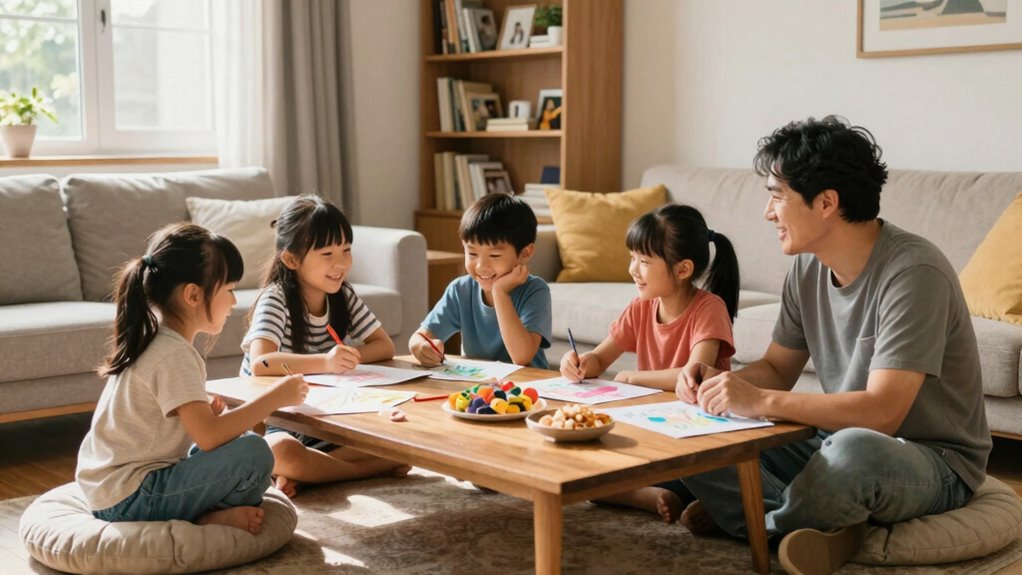
Family meetings often get a bad rap, but when done right, they can become a positive space for kids to share, listen, and feel valued. The key is to make these gatherings engaging and meaningful rather than a chore or a source of stress. Instead of sticking to a rigid format, try incorporating creative activities that spark your kids’ interest. For example, you could start with a quick game or a fun craft that encourages collaboration. These activities help break the ice, making everyone more comfortable and open. When kids are involved in creative tasks, they see the meeting as a chance to have fun while also contributing, which boosts their sense of ownership and participation. Incorporating interactive elements can make the meetings even more enjoyable and memorable for everyone involved. Conflict resolution is another essential aspect of effective family meetings. Kids often have disagreements that simmer beneath the surface, and these gatherings offer a perfect platform to address issues calmly and constructively. Instead of dismissing conflicts or letting them fester, guide your children to express their feelings clearly and listen to each other. Use this opportunity to teach problem-solving skills in a supportive environment. For instance, you might ask questions like, “What can we do differently next time?” or “How do you think we can solve this together?” This approach not only helps resolve current conflicts but also equips your kids with tools they’ll use in future disagreements. To keep things lively and productive, consider rotating roles during the meeting. One week, a child might be the “timekeeper,” another week the “discussion leader.” This involvement helps kids feel responsible and invested in the process. You can also set aside time for sharing positive news or achievements, which fosters a sense of pride and encouragement. When kids see that their voices matter and that their ideas are taken seriously, they’re more likely to view family meetings as a safe space rather than a dreaded obligation. Additionally, understanding the importance of cross-cultural communication can help children build respect and empathy, especially in diverse family settings. Recognizing the value of family traditions can also strengthen bonds and create a shared sense of identity during these gatherings. Moreover, emphasizing active listening can enhance understanding and reduce misunderstandings among family members. And, incorporating biodiversity awareness into family discussions can subtly teach children about the importance of respecting and protecting our environment, creating a broader sense of community and responsibility.
As an affiliate, we earn on qualifying purchases.
Frequently Asked Questions
How Often Should Family Meetings Be Held?
You should hold family meetings weekly or biweekly, based on your family’s needs, to guarantee scheduling consistency. Keep the timing age-appropriate—shorter and more frequent for younger kids, and longer for older children. This regular rhythm helps everyone stay connected, address concerns, and build trust. Adjust the frequency as needed, but maintaining consistency makes kids feel valued and keeps communication open without feeling overwhelming.
What if My Child Refuses to Participate?
When your child seems reluctant to join, it’s a gentle nudge rather than a push. Respect their feelings, but gently encourage child participation by explaining the importance of meeting boundaries. Make it clear that their voice matters, and involve them in setting rules for the meetings. Sometimes, giving them a small role or a choice can foster cooperation, helping them see the meeting as a safe space rather than an obligation.
How Do I Handle Disagreements During Meetings?
When disagreements come up, you should focus on conflict resolution and effective communication. Stay calm and listen carefully to your child’s perspective. Encourage them to express their feelings and validate their concerns. Use “I” statements to share your viewpoint without blame. Guide everyone to find common ground, emphasizing teamwork. This approach helps kids learn respectful problem-solving, making family meetings more positive and productive for everyone involved.
What Topics Are Appropriate for Family Meetings?
You should choose age-appropriate topics that encourage open communication and build trust. Focus on parenting strategies like setting goals, sharing feelings, or planning activities. Use communication techniques that promote listening and understanding, such as asking open-ended questions. Keep the topics positive and inclusive, so your kids feel involved and respected. This approach helps create a supportive environment where everyone feels heard and valued during family meetings.
How Can I Make Meetings More Engaging for Kids?
You can make meetings more engaging for kids by incorporating creative activities like drawing or storytelling, which keep their interest alive. Use reward systems, such as stars or small prizes, to motivate participation and positive behavior. Keep the tone light and fun, encouraging kids to share their ideas and feelings. When you mix creativity with rewards, kids look forward to family meetings and stay actively involved, making the experience enjoyable for everyone.
Conclusion
By making family meetings engaging and respectful, you’ll find they become as welcome as a warm hug. Keep the tone light, listen actively, and involve your kids in decisions—they’ll feel valued and understood. Just like a well-tuned orchestra, harmony in family meetings creates a peaceful, cooperative rhythm. When everyone’s voice is heard, your family’s connection grows stronger, turning meetings from dreaded chores into cherished moments. Remember, open communication is the key to a happy, united family.
Fall Picks
fall essentials
As an affiliate, we earn on qualifying purchases.