If your suction pool cleaner isn’t working well, start by checking the skimmer basket for debris and clean it thoroughly. Inspect hoses for kinks, tears, or leaks, and straighten or replace them as needed. Make sure the water level is high enough for proper operation, and adjust skimmer vents to optimize water flow. Regular maintenance prevents clogs and keeps your cleaner running smoothly—learn more tips to troubleshoot common issues successfully.
Key Takeaways
- Regularly inspect and clean the skimmer basket to prevent debris buildup and blockages.
- Check hoses for kinks, tears, or leaks, and straighten or replace them as needed.
- Adjust skimmer vents to maintain proper water flow and optimize debris pickup.
- Ensure water level stays at least halfway up the skimmer opening for efficient operation.
- Perform routine skimmer maintenance to keep components clean and functioning properly.
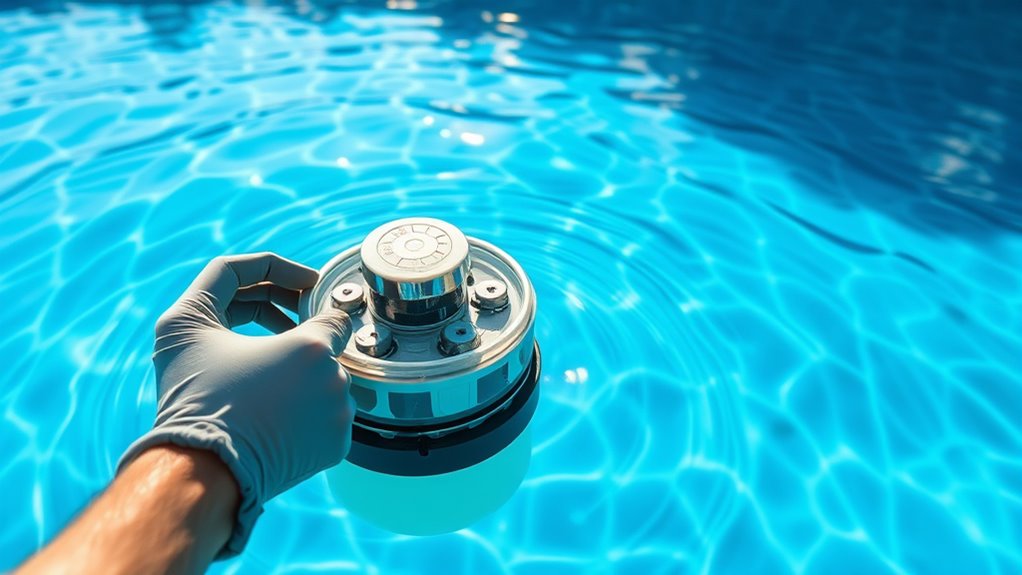
Are you frustrated because your suction pool cleaner isn’t working properly? It can be annoying to see your pool’s surface cluttered with leaves, dirt, and other debris, especially when your equipment isn’t doing its job effectively. One common cause of these issues is a problem with the pool skimmer, which plays an essential role in debris removal. The pool skimmer is designed to collect floating debris before it sinks to the bottom, easing the workload on your suction cleaner. If it’s clogged, damaged, or not functioning correctly, debris can accumulate in the water, making your cleaner work harder or fail to operate altogether.
Start by inspecting the pool skimmer basket. Over time, leaves, twigs, and other debris can block the basket, restricting water flow to your suction cleaner. Remove the basket and check for any blockages. Clean it thoroughly, ensuring no debris is left behind. Sometimes, small debris can slip through or get lodged in the basket’s mesh, so give it a good rinse. When the basket is clear, check the skimmer opening itself for obstructions or cracks. A damaged or blocked skimmer reduces the efficiency of debris removal, leading to less effective cleaning.
Inspect and clean the skimmer basket regularly to ensure proper water flow and debris removal.
Next, examine the hoses connected to your suction cleaner. Kinks or leaks in the hoses can considerably impact debris removal and suction power. Kinks or leaks can cause a significant loss of suction pressure, reducing the cleaner’s effectiveness. Straighten any kinks and look for tears or holes that could cause air leaks. Air leaks reduce suction, making it harder for the cleaner to pick up debris or even move properly across the pool floor. If you find damaged hoses, replace them to restore proper suction and debris removal.
Another common issue involves the skimmer’s adjustable vents. Many skimmers have vents that regulate water flow. If these aren’t set correctly, you could experience poor debris removal or weak suction. Adjust the vents so that the water flows smoothly through the skimmer into the cleaner. It might take some trial and error to find the right setting for your pool size and debris load. Ensuring the proper water flow can significantly improve debris collection efficiency. Additionally, maintaining a consistent water level in your pool supports optimal skimmer performance and prevents unnecessary strain on your circulation system. Proper skimmer maintenance also helps prevent clogging and ensures the system operates efficiently.
Finally, ensure your pool’s water level is appropriate. If the water is too low, the skimmer may not work efficiently, leading to poor debris removal. Keep the water level at least halfway up the skimmer opening to maximize debris capture and ensure your suction cleaner can operate correctly. Regular maintenance of the skimmer and its components helps prevent debris buildup and keeps your pool clean. Proper monitoring of credit card statements can also help detect unauthorized access to your account, preventing financial loss. When your skimmer functions properly, your suction pool cleaner can do its job more efficiently, saving you time and effort in maintaining a spotless pool.
Frequently Asked Questions
How Often Should I Clean the Pool Cleaner’S Filter?
You should clean your pool cleaner’s filter regularly to guarantee optimal performance. A good filter maintenance routine involves checking and cleaning the filter at least once a week, especially during heavy use or when you notice reduced suction. Adjust your cleaning schedule based on how much debris your pool collects. By maintaining the filter properly, you’ll keep your cleaner working efficiently and extend its lifespan.
Can I Use a Pool Cleaner on a Saltwater Pool?
Imagine your pool cleaner as a diligent sailor steering a saltwater sea. Yes, you can use it in a saltwater pool, but check for saltwater compatibility to prevent corrosion. Saltwater can cause pool mineral effects that wear down parts over time. Regular maintenance and choosing a cleaner designed for saltwater will keep your boat sailing smoothly, ensuring your pool stays pristine without unexpected breakdowns.
What Is the Average Lifespan of a Suction Pool Cleaner?
You’ll find that the average lifespan of a suction pool cleaner is around 5 to 7 years, depending on maintenance schedules and usage. Regularly clean and inspect it to prevent wear and tear. Check your warranty coverage to see what’s included if repairs are needed. Proper upkeep guarantees you get the most out of your cleaner, and following recommended maintenance helps extend its longevity.
How Do I Store the Pool Cleaner During the Off-Season?
Think of your pool cleaner as a sleeping dragon, resting peacefully through winter storage. To prepare for seasonal maintenance, you’ll want to clean it thoroughly, remove any debris, and check for damage. Store it in a dry, cool place, away from direct sunlight, to preserve its strength. Proper winter storage guarantees your suction pool cleaner wakes up ready for action, keeping your pool pristine year after year.
Are There Specific Pool Types Incompatible With Suction Cleaners?
When considering pool type compatibility, you should know that suction pool cleaners work best with in-ground pools, especially those with smooth, flat surfaces. Some above-ground pools or those with textured or pebble finishes may pose equipment limitations, making suction cleaners less effective. Always check your cleaner’s specifications against your pool type to guarantee maximum performance and avoid potential damage or inefficiency.
Conclusion
Now, picture your pool shimmering crystal clear, the water sparkling under the sun, as your cleaner glides smoothly over the surface. With a few simple troubleshooting steps, you can restore that perfect, inviting oasis you love. Don’t let minor issues turn your invigorating retreat into a hassle. Take control, fix the problem, and imagine the joy of stepping into your pristine pool, knowing you’ve kept it spotless and ready for those relaxing, sunlit moments.